Gut-brain axis support: a practical how-to with Brainlive

Updated September 2026 · reviewed by the Brainlive Research Team. We are an independent information resource, not a medical provider, and this article is educational rather than medical advice.
Gut-brain axis support means nourishing the two-way signalling line between your digestive tract and your brain — and the most practical way to do it is to feed the beneficial gut bacteria that sit in the middle of that conversation. This how-to walks through prebiotic fibers, fermented foods, sleep and stress habits, and shows where a fiber-first scoop like Brainlive makes the routine easier to keep.
How to support the gut-brain axis, in practical terms.
- The core idea
- Feed beneficial gut bacteria with prebiotic fiber; they help run the gut-brain axis.
- Start here
- Add one prebiotic food — oats, beans, onions or green bananas — to a meal you already eat.
- Then layer in
- Fermented foods for live microbes, plus steady sleep and simple stress habits.
- Go slowly
- Raise fiber gradually over weeks to limit temporary bloating and let the microbiome adjust.
- Where Brainlive fits
- A once-daily scoop of prebiotic fiber, L-arabinose and spermidine that complements — not replaces — a whole-food plate.
The gut-brain axis can sound abstract, but supporting it is refreshingly concrete: most of the work happens on your plate and in your daily rhythm. Below is a step-by-step routine — which fibers to prioritize, which foods carry them, how fermented foods and sleep fit, and where a fiber-first formula like Brainlive slots in without pretending to replace real food.
What is the gut-brain axis, and why support it?
The gut-brain axis is the constant, two-way communication network linking your digestive system and your central nervous system, carried by nerves, hormones, immune signals and the metabolites your gut bacteria produce. Supporting it matters because the community of microbes in your gut helps ferment fiber into short-chain fatty acids and other compounds that researchers are actively studying for their role in how the gut and brain interact. You do not control that microbial community directly — but you strongly influence it by what you feed it, which is exactly what makes fiber the lever most within your reach. The pathways that carry that traffic — the vagus nerve, immune signalling, microbial metabolites and hormones — are mapped in detail in a major review by Cryan et al., Physiological Reviews, 2019.
How do you feed gut bacteria the right way?
You feed gut bacteria by eating prebiotic fibers — the parts of plants your own enzymes cannot digest, which pass to the colon where beneficial microbes ferment them. The practical rule is variety and consistency: different fibers feed different microbes, and the community responds to what you eat most days, not to a single perfect meal. Rather than overhauling everything at once, add one fiber-rich food to a meal you already eat and build from there. The effect of dietary fiber on the makeup of the gut microbiota is reviewed by Makki et al., Cell Host & Microbe, 2018.
Which prebiotic fibers should you prioritize?
Prioritize the well-studied prebiotic fibers first: inulin and fructooligosaccharides from onions, garlic, leeks and asparagus; beta-glucan from oats and barley; and resistant starch from beans, lentils, cooked-and-cooled potatoes and slightly green bananas. These are the fibers that consistently show up in the research as fuel for beneficial bacteria, and they are cheap, ordinary and easy to fold into normal cooking. For the fuller picture, see our guide to how prebiotic fiber feeds the brain.
How much fiber, and how fast?
Most adults fall well short of the general fiber targets of roughly 25 to 38 grams a day, so there is room to grow — but do it gradually. Adding a large amount of fiber overnight commonly causes gas and bloating while your microbiome adjusts, so increase by a few grams every few days, drink enough water, and give any new routine four to six weeks before you judge it.

Which prebiotic foods belong on your plate?
The best prebiotic foods for brain-focused gut support are everyday plants rich in inulin, beta-glucan or resistant starch. This table maps common foods to the fiber they carry and an easy way to work each into a normal day.
| Prebiotic food | Key fiber type | Easy way to use it |
|---|---|---|
| Oats & barley | Beta-glucan | Breakfast porridge or overnight oats. |
| Onions, garlic, leeks | Inulin / FOS | The base of soups, stir-fries and sauces. |
| Beans & lentils | Resistant starch | Stirred into salads, stews and grain bowls. |
| Slightly green bananas | Resistant starch | A quick snack or blended into a smoothie. |
| Asparagus & chicory root | Inulin | Roasted as a side or brewed as a coffee substitute. |
| Cooked-and-cooled potatoes | Resistant starch | Potato salad; cooling raises the resistant-starch content. |
Notice the pattern: no exotic ingredients, just a wider, more colorful spread of plants across the week. If you want to see how these same fibers appear in a scoop, the Brainlive ingredients line up closely with the foods above.
Make the fiber step effortless
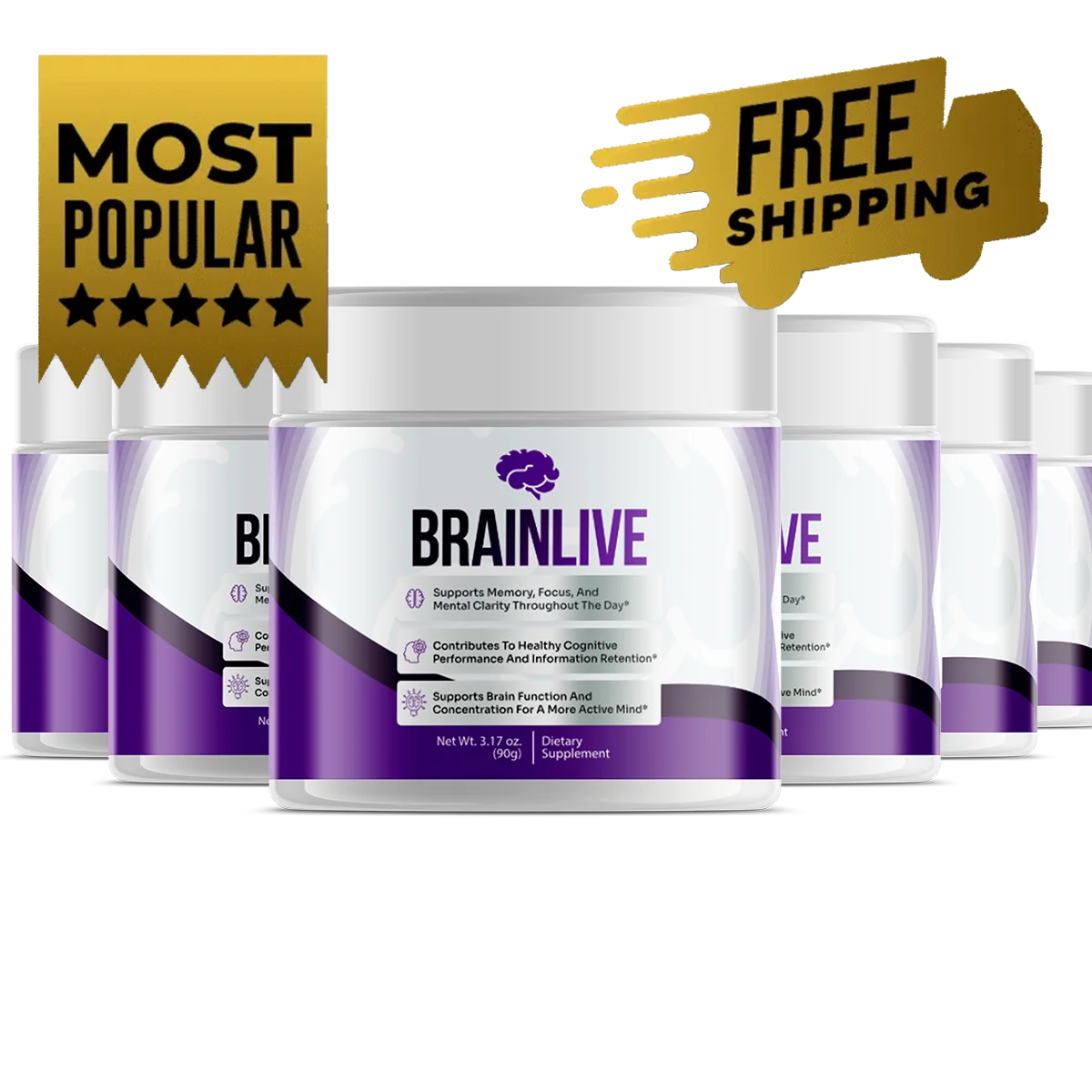
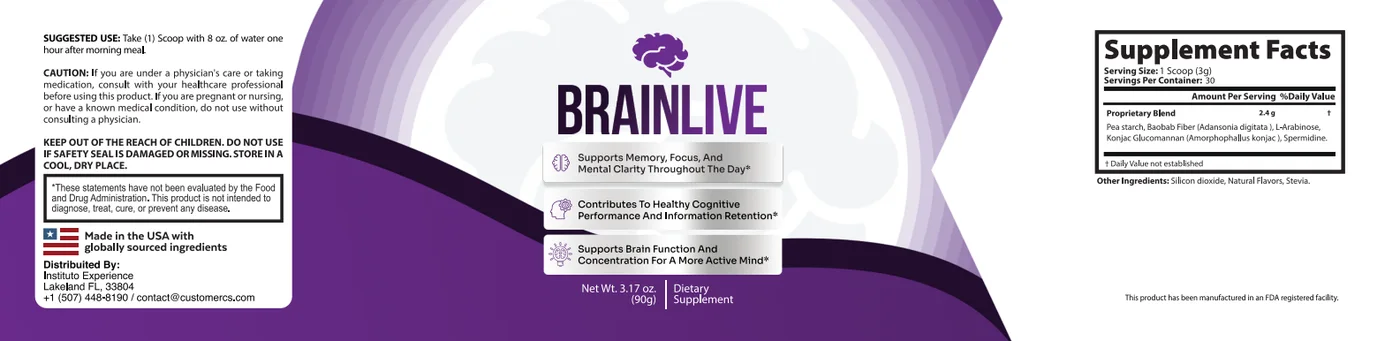
When a perfect plate is not possible, Brainlive folds prebiotic fibers, L-arabinose and spermidine into one naturally flavored scoop — see the exact dose in Brainlive on the label. The six-tub bundle is the best value at $49 per tub, with free U.S. shipping.
Check today's Brainlive pricing — from $49/tubDo fermented foods add something fiber cannot?
Fermented foods add live or transformed microbes and their by-products, which is a different job from what prebiotic fiber does. Yogurt, kefir, sauerkraut, kimchi, miso and traditionally fermented pickles introduce bacteria and compounds produced during fermentation, while prebiotic fiber feeds the microbes already living in you. Pairing the two — a probiotic food and the prebiotic fiber that nourishes it — is the everyday version of what a fiber-first formula supports in a single scoop. Choose unpasteurized, refrigerated versions where you can, since heat processing after fermentation reduces live cultures. The working definition of a probiotic comes from a consensus statement by Hill et al., Nature Reviews Gastroenterology & Hepatology, 2014.
How do sleep and stress fit the gut-brain axis?
Sleep and stress are direct traffic on the gut-brain axis, because the same nerves and hormones that carry gut signals up to the brain also carry brain signals down to the gut. Chronic stress and short, irregular sleep can shift how the gut moves and functions, while gut health can influence how you feel — the microbiome-and-mood link that keeps turning up in research. That means the fiber on your plate works alongside, not instead of, a steady sleep schedule and simple daily stress habits.
What simple habits help most?
Aim for a regular sleep and wake time, get morning daylight, and keep caffeine to the first half of the day. For stress, a few minutes of slow breathing, a daily walk, or a short wind-down routine all nudge the nervous-system side of the axis in a calmer direction. None of these are dramatic, and that is the point: the gut-brain axis responds to what you do repeatedly.
What does a gut-brain-friendly day look like?
You do not need an elaborate plan — just a rhythm you can repeat. Here is one simple template that layers prebiotic fiber, fermented foods and a fiber-first scoop into an ordinary day.
| Time of day | Example | Gut-brain feature |
|---|---|---|
| Morning | Oats with berries and a spoon of yogurt | Beta-glucan fiber plus fermented-food microbes. |
| With breakfast | One scoop of Brainlive stirred into water | Prebiotic fibers, L-arabinose and spermidine in one step. |
| Lunch | Salad with beans, onions and olive oil | Resistant starch and inulin from whole plants. |
| Afternoon | A slightly green banana or a short walk | Resistant starch, or a stress-lowering movement break. |
| Dinner | Salmon, barley and roasted asparagus | More prebiotic fiber alongside omega-3 fats. |
| Evening | Consistent wind-down and sleep time | Steadies the nervous-system side of the axis. |
Where does Brainlive fit, and what is the dose?
Brainlive is a once-daily drink-mix designed to make the fiber-first step of gut-brain axis support simple: one scoop delivers prebiotic fibers, L-arabinose and spermidine, stirred into water and taken after a meal. It is built to complement the whole-food routine above, not to stand in for it — food first, with a scoop as one easy, repeatable extra. If you are weighing it against building the same intake from meals alone, our full Brainlive review lays out the formula, and the gut-brain axis explainer covers the underlying science this how-to puts into practice.
When should you talk to a doctor or dietitian?
Fiber and fermented foods are powerful everyday tools, but they are not treatments for a medical condition. If you have a diagnosed digestive disorder, are pregnant or nursing, take medication, or react strongly to certain fibers such as those in the FODMAP group, a registered dietitian or your physician can tailor these general ideas to you. This article is educational and not a substitute for personalized medical advice.
Frequently asked questions
What is the fastest way to start supporting the gut-brain axis?
Add one prebiotic-fiber source to a meal you already eat, such as oats, beans, onions or green bananas, then build from there. Small, repeatable additions feed beneficial gut bacteria more reliably than a short, drastic overhaul. A fiber-first scoop like Brainlive can make that first step easier on busy days.
How long does it take to feed gut bacteria and notice a difference?
The microbiome begins shifting within days of a consistent fiber change, but a stable pattern takes several weeks. Give any new routine four to six weeks of steady habits before judging it, and increase fiber gradually to limit temporary bloating.
Which prebiotic foods are best for brain support?
Onions, garlic, leeks, asparagus, oats, barley, beans, lentils and slightly green bananas are among the richest everyday prebiotic foods. They carry fibers such as inulin and resistant starch that beneficial gut bacteria ferment into short-chain fatty acids.
Do fermented foods and prebiotics do the same thing?
No. Fermented foods such as yogurt, kefir, sauerkraut and kimchi add microbes, while prebiotic fibers feed the microbes already living in your gut. Pairing the two is the everyday version of what a fiber-first formula like Brainlive supports in a single scoop.
Can sleep and stress really affect the microbiome and mood?
Yes. Sleep and stress are two-way signals along the gut-brain axis, so poor sleep and chronic stress can shift gut function while gut health can influence how you feel. Regular sleep and simple stress habits support the same axis that fiber feeds.
Where does Brainlive fit into a gut-brain routine?
Brainlive is a once-daily drink-mix that supplies prebiotic fibers, L-arabinose and spermidine in one scoop, complementing a whole-food plate rather than replacing it. It is designed to make the fiber-first step of gut-brain axis support simple and repeatable.
See what is in every Brainlive scoop →
Brainlive is a dietary supplement, not a treatment for any medical condition. These statements have not been evaluated by the Food and Drug Administration. This product is not intended to diagnose, treat, cure or prevent any disease. Always consult a qualified healthcare professional about your individual needs.
References & further reading
- National Center for Complementary and Integrative Health (NCCIH). Probiotics: What You Need To Know. nccih.nih.gov/health/probiotics-what-you-need-to-know
- Mayo Clinic. Dietary fiber: Essential for a healthy diet. mayoclinic.org/healthy-lifestyle/nutrition-and-healthy-eating/in-depth/fiber
- Examine.com. Resistant Starch. examine.com/supplements/resistant-starch
- Cryan JF, O’Riordan KJ, Cowan CSM, et al. The Microbiota-Gut-Brain Axis. Physiological Reviews, 2019. pubmed.ncbi.nlm.nih.gov/31460832
- National Institutes of Health, National Institute on Aging. Cognitive Health and Older Adults. nia.nih.gov/health/cognitive-health-and-older-adults
- Makki K, Deehan EC, Walter J, Bäckhed F. The impact of dietary fiber on gut microbiota in host health and disease. Cell Host & Microbe, 2018. pubmed.ncbi.nlm.nih.gov/29902436
- Hill C, Guarner F, Reid G, et al. Expert consensus document: the ISAPP consensus statement on the scope and appropriate use of the term probiotic. Nature Reviews Gastroenterology & Hepatology, 2014. pubmed.ncbi.nlm.nih.gov/24912386
These references describe the ingredients and habits in general terms and do not constitute evidence that any product treats, cures or prevents any condition.
Keep reading: the gut-brain axis explained · best foods for brain health and memory · back to the Brainlive blog · homepage.