The gut-brain axis explained: how Brainlive fits in

Updated September 2026 · reviewed by the Brainlive Research Team. We are an independent information resource, not a medical provider, and this article is educational rather than medical advice.
The gut-brain axis is the constant two-way conversation between the trillions of microbes in your gut and your brain, carried by nerves, hormones and immune signals. Tending that conversation with prebiotic fiber — the idea behind Brainlive — is one of the most active areas of nutrition science, and this guide explains it in plain language.
The gut-brain axis, and where Brainlive fits, at a glance.
- What it is
- A two-way communication network linking the gut and its microbes with the brain, via the vagus nerve, hormones and the immune system.
- Why it matters
- A well-fed, diverse gut microbiome is increasingly linked to whole-body and cognitive wellness.
- Prebiotics vs probiotics
- Probiotics are beneficial microbes; prebiotics are the fibers that feed them. Brainlive focuses on prebiotic fibers.
- Brainlive's role
- It supplies prebiotic fibers plus L-arabinose and spermidine to support the gut-brain conversation.
- The honest caveat
- The science is promising but still developing; Brainlive supports wellness and treats no disease.
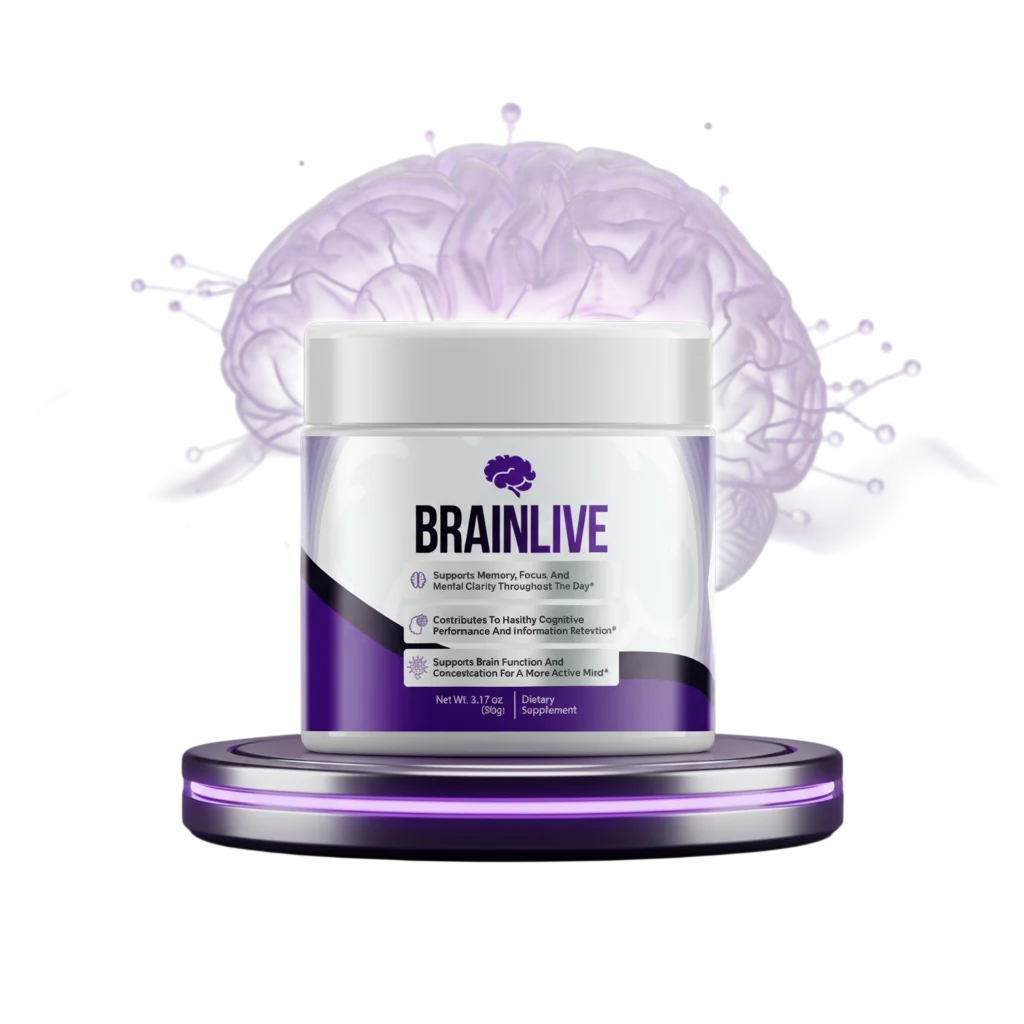
For centuries, “a gut feeling” was just an expression. Today it is a research field. The gut and the brain are in constant dialogue, and what you feed your gut may echo in how you feel and think. This guide explains the gut-brain axis in plain language and shows exactly where Brainlive is designed to fit.
What is the gut-brain axis?
The gut-brain axis is the name for the two-way communication network that links your digestive system — and the trillions of microbes living in it, collectively called the gut microbiome — with your central nervous system. The two talk through several channels at once: the vagus nerve, which runs directly between gut and brain; hormones and signaling molecules produced in the gut; and the immune system, much of which lives in the gut wall. Because the traffic runs both ways, the state of your gut can influence the brain, and the state of your mind can influence the gut. The pathways that carry that traffic — the vagus nerve, immune signalling, microbial metabolites and hormones — are mapped in detail in a major review by Cryan et al., Physiological Reviews, 2019. For the fuller picture, see our guide to how to support the gut-brain axis.

What does the gut microbiome actually do?
Your gut microbiome is an ecosystem of bacteria and other microbes that help digest food, produce certain vitamins, train the immune system and ferment the fibers you cannot break down yourself. When those fibers are fermented, the microbes produce beneficial compounds, including short-chain fatty acids, that nourish the gut lining and send signals outward. A diverse, well-fed microbiome is increasingly associated with whole-body wellness — and diet is the single biggest lever you have over it. What the resident gut community actually does is surveyed by Ottman et al., Frontiers in Cellular and Infection Microbiology, 2012.
Prebiotics versus probiotics: what is the difference?
The two words are easy to mix up. Probiotics are the beneficial live microbes themselves, found in fermented foods like yogurt and sauerkraut. Prebiotics are the fibers those microbes eat — the fuel that lets a healthy population thrive. You can add microbes, but without the fiber to feed them, they struggle to establish. Brainlive is built around the prebiotic side of that equation: it supplies the fibers that nourish the beneficial bacteria you already have. What formally counts as a prebiotic at all was settled in a consensus statement by Gibson et al., Nature Reviews Gastroenterology & Hepatology, 2017.
| Term | What it means | Everyday example |
|---|---|---|
| Microbiome | The community of microbes living in your gut | The trillions of bacteria in your intestines. |
| Probiotic | Beneficial live microbes you consume | Yogurt, kefir, sauerkraut, kimchi. |
| Prebiotic | Fiber that feeds beneficial microbes | Pea starch, baobab fiber, konjac, onions. |
| Postbiotic | Beneficial compounds microbes produce | Short-chain fatty acids from fiber fermentation. |
Support the gut-brain conversation →
How does Brainlive fit the gut-brain axis?
Brainlive takes a fiber-first approach, on three fronts. It supplies prebiotic fibers — pea starch, baobab fiber and konjac glucomannan — to feed beneficial gut bacteria. It adds L-arabinose, a plant sugar studied for its role in how the body handles dietary carbohydrates and steadier everyday energy. And it includes spermidine, a naturally occurring polyamine studied for its role in autophagy, the body’s ordinary cellular-renewal process. Together these are meant to support the gut-brain conversation as part of a healthy lifestyle — not to override it.
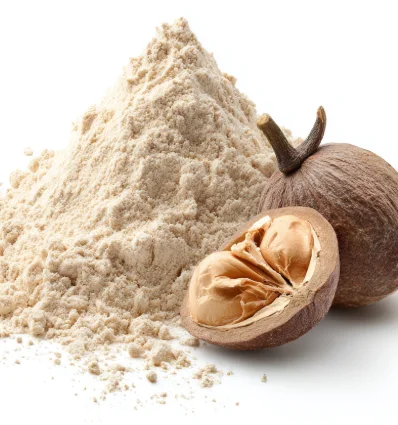
Why fiber, and why a powder?
Prebiotic fibers work in the lower gut, where they are fermented by bacteria, so the useful dose is measured in grams rather than milligrams. A powder is a practical way to deliver fiber at that scale — you simply stir a scoop into water rather than swallowing a handful of capsules. It is also easy to keep up with, and consistency is what matters most with the microbiome.
What spermidine adds
Spermidine is one of the more interesting compounds in nutrition research. It occurs naturally in foods such as wheat germ, legumes, mushrooms and aged cheese, and it is studied for its role in autophagy — the housekeeping process by which cells clear out and recycle worn components. Including it alongside prebiotic fibers rounds out Brainlive’s approach to everyday cellular and cognitive wellness.
Feed the gut-brain axis daily
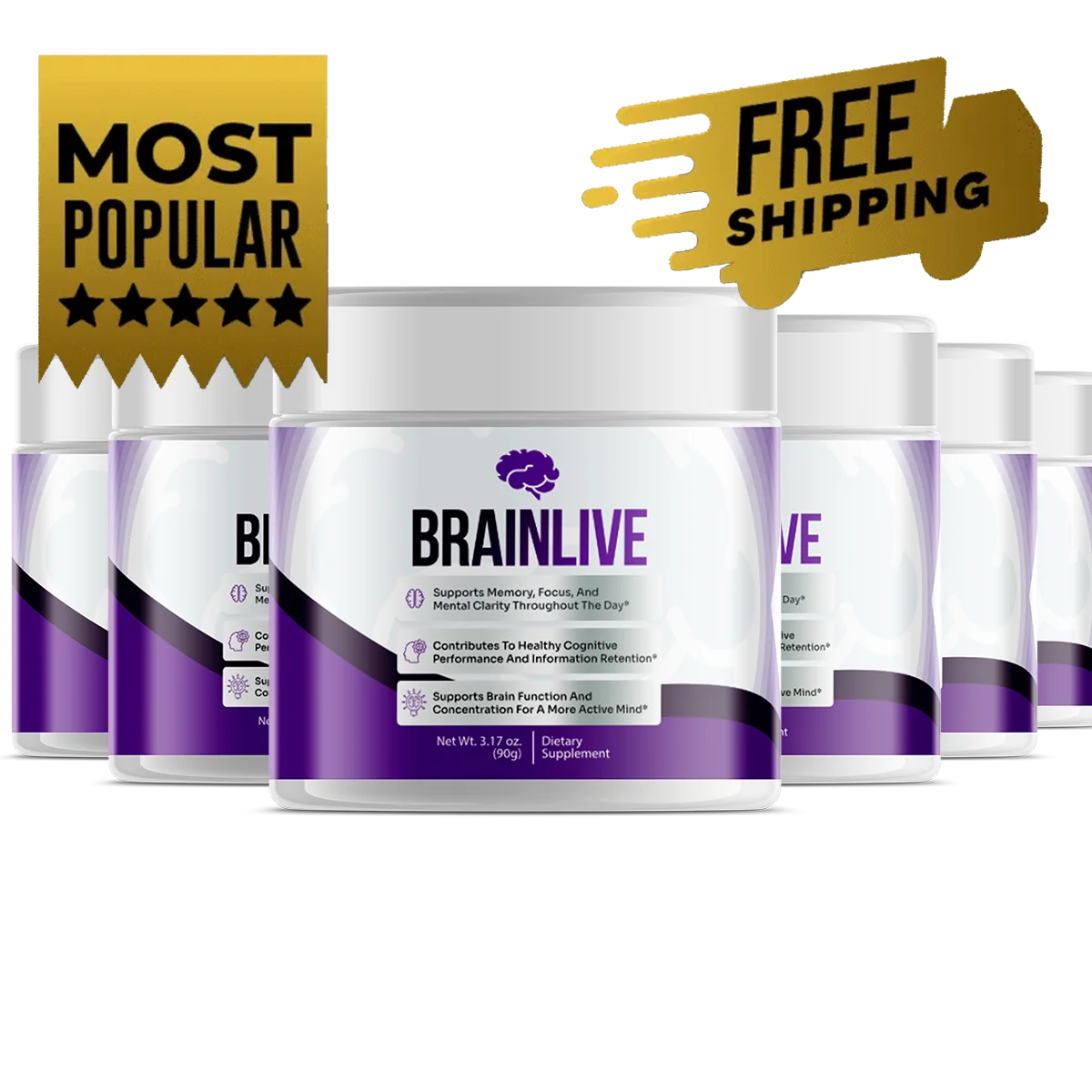
Brainlive delivers prebiotic fibers, L-arabinose and spermidine in one naturally flavored scoop. The six-tub bundle is the best value at $49 per tub, with free U.S. shipping and a 60-day guarantee.
Order Brainlive — from $49/tubWhat can you realistically expect — and not expect?
Here is the honest picture. The gut-brain axis is a genuine and fast-moving field, and feeding a healthy microbiome with fiber is sound, well-supported nutrition. At the same time, much of the specific research is still developing, individual responses vary, and no supplement is a treatment for any disease. Brainlive is designed to support everyday wellness for people who already feel healthy, as one part of a routine that also includes good sleep, movement and a whole-food diet. Set expectations accordingly, give it consistent time, and judge it as you would any nutrition habit.
How to get the most from it
Pair Brainlive with the habits that support the same system: a fiber-rich, colorful diet, some fermented foods, regular movement and consistent sleep. For the food side, see our guide to the best foods for brain health and memory; for the daily-routine side, see how to improve memory and focus naturally.
When should you talk to a doctor?
If you are pregnant or nursing, under 18, take medication, or have a diagnosed digestive or medical condition, talk with your physician before adding any new fiber supplement. Increasing fiber intake is best done gradually and with plenty of water. This article is educational and not a substitute for personalized medical advice.
Frequently asked questions
What is the gut-brain axis in simple terms?
It is the two-way communication network between your gut — including its microbiome — and your brain, carried by the vagus nerve, hormones and the immune system. What happens in one can influence the other.
What is the difference between prebiotics and probiotics?
Probiotics are beneficial live microbes, like those in yogurt; prebiotics are the fibers that feed them. Brainlive focuses on prebiotic fibers, the fuel that lets a healthy gut population thrive.
How does Brainlive support the gut-brain axis?
It supplies prebiotic fibers — pea starch, baobab fiber and konjac glucomannan — plus L-arabinose and spermidine, to support the gut-brain conversation as part of a healthy lifestyle.
What is spermidine and why is it included?
Spermidine is a polyamine found naturally in foods like wheat germ and legumes, studied for its role in autophagy, the body’s cellular-renewal process. It rounds out Brainlive’s fiber-first blend.
Is the gut-brain science settled?
No. It is a promising and active field, but much of the specific research is still developing and individual responses vary. Brainlive supports everyday wellness and is not a treatment for any disease.
How should I start a fiber supplement?
Gradually, and with plenty of water, so your gut can adjust. If you are pregnant, nursing, under 18, take medication or have a medical condition, check with your doctor first.
Try Brainlive risk-free for 60 days →
Brainlive is a dietary supplement, not a treatment for any medical condition. These statements have not been evaluated by the Food and Drug Administration. This product is not intended to diagnose, treat, cure or prevent any disease. Always consult a qualified healthcare professional about your individual needs.
References & further reading
- National Center for Complementary and Integrative Health (NCCIH). Probiotics: What You Need To Know. nccih.nih.gov/health/probiotics-what-you-need-to-know
- Cryan JF, O’Riordan KJ, Cowan CSM, et al. The Microbiota-Gut-Brain Axis. Physiological Reviews, 2019. pubmed.ncbi.nlm.nih.gov/31460832
- Examine.com. Glucomannan (konjac fiber). examine.com/supplements/glucomannan
- Examine.com. Spermidine. examine.com/supplements/spermidine
- Examine.com. Resistant Starch. examine.com/supplements/resistant-starch
- Ottman N, Smidt H, de Vos WM, Belzer C. The function of our microbiota: who is out there and what do they do?. Frontiers in Cellular and Infection Microbiology, 2012. pubmed.ncbi.nlm.nih.gov/22919693
- Gibson GR, Hutkins R, Sanders ME, et al. Expert consensus document: the ISAPP consensus statement on the definition and scope of prebiotics. Nature Reviews Gastroenterology & Hepatology, 2017. pubmed.ncbi.nlm.nih.gov/28611480
These references describe the ingredients and habits in general terms and do not constitute evidence that any product treats, cures or prevents any condition.
Keep reading: how to improve memory and focus naturally · the best foods for brain health and memory · back to the Brainlive blog · homepage.