Best foods for brain health and memory: the Brainlive list

Updated September 2026 · reviewed by the Brainlive Research Team. We are an independent information resource, not a medical provider, and this article is educational rather than medical advice.
The best foods for brain health and memory are whole, colorful and fiber-rich: oily fish, leafy greens, berries, nuts and seeds, beans, whole grains and fermented foods. They supply the healthy fats, antioxidants and prebiotic fiber a sharp mind draws on — and, like Brainlive, they support the gut-brain axis from the plate up.
The foods that support a sharp, steady mind, at a glance.
- The short list
- Oily fish, leafy greens, berries, nuts and seeds, beans and lentils, whole grains, and fermented foods.
- Why fiber matters
- Prebiotic fiber feeds beneficial gut bacteria, part of the gut-brain axis that Brainlive is built around.
- The healthy fat
- Omega-3 fats from fish and walnuts are structural building blocks of brain cell membranes.
- The color rule
- Deeply colored plants carry antioxidants that help protect cells from everyday oxidative stress.
- Where supplements fit
- A prebiotic-and-polyamine scoop like Brainlive complements a brain-friendly plate; it does not replace it.
You cannot out-supplement a poor diet, and you do not need to: the foods that support a sharp mind are ordinary, affordable and already at your grocery store. Below is a group-by-group list, a nutrient table, and a sample brain-friendly day — with a note on where a fiber-first formula like Brainlive fits in.
What makes a food good for the brain?
Three qualities show up again and again in brain-friendly foods. First, healthy fats, especially the omega-3 fats that form part of brain-cell membranes. Second, antioxidants — the vivid pigments in berries and greens that help protect cells from everyday oxidative stress. Third, fiber, particularly the prebiotic fibers that feed beneficial gut bacteria and support the gut-brain axis. Foods that combine all three earn their place on the list below. A dietary pattern along these lines was associated with slower cognitive decline in Morris et al., Alzheimer’s & Dementia, 2015. For the fuller picture, see our guide to how to support the gut-brain axis.
Which food groups belong on the list?
Oily fish and omega-3 sources
Salmon, sardines, mackerel and trout are the richest dietary sources of the long-chain omega-3 fats associated with brain health. If you do not eat fish, walnuts, chia and flax provide a plant form of omega-3, and algae oil is a direct vegetarian source. A randomised trial of docosahexaenoic acid in age-related cognitive decline was reported by Yurko-Mauro et al., Alzheimer’s & Dementia, 2010. If that is the part you came for, read omega-3 versus prebiotic fiber for the brain next.
Leafy greens and colorful vegetables
Spinach, kale, broccoli and peppers deliver folate, vitamin K and a spread of antioxidants. Aim to make half your plate non-starchy vegetables and to eat a range of colors across the week.
Berries and whole fruit
Blueberries, blackberries and strawberries are among the most antioxidant-dense foods you can eat, and the fiber in whole fruit slows the sugar it delivers. Choose whole fruit over juice, which arrives without the fiber.
Nuts, seeds and legumes
Almonds, walnuts, pumpkin seeds, beans and lentils combine healthy fat, plant protein and fiber in one package. Beans and lentils are especially useful prebiotic foods, feeding the gut bacteria at the heart of the gut-brain axis.
Whole, intact grains
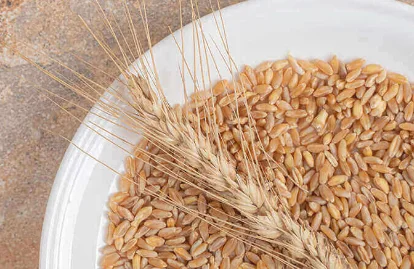
Oats, barley, quinoa and brown rice release their energy slowly and carry fiber the refined versions have lost. Intact grains — where you can still see the grain — are the steadiest choice.
Fermented and prebiotic foods
Yogurt, kefir, sauerkraut and kimchi introduce beneficial microbes, while prebiotic fibers from onions, garlic, leeks and green bananas feed them. This pairing — probiotics plus the prebiotic fiber that nourishes them — is the everyday version of what Brainlive does in a scoop. How diet shapes the microbiota-gut-brain axis is reviewed by Berding et al., Advances in Nutrition, 2021.
Add the gut-brain scoop to your plate →
A nutrient-by-nutrient snapshot
Different brain-friendly foods bring different strengths. This table maps the key nutrients to their best food sources and the general role each plays.
| Nutrient | Best food sources | General role |
|---|---|---|
| Omega-3 fats | Salmon, sardines, walnuts, chia, algae oil | Structural building blocks of brain-cell membranes. |
| Antioxidants (polyphenols) | Berries, dark greens, green tea, dark chocolate | Help protect cells from everyday oxidative stress. |
| Prebiotic fiber | Beans, oats, baobab, onions, green bananas | Feeds beneficial gut bacteria in the gut-brain axis. |
| B vitamins & folate | Leafy greens, legumes, whole grains, eggs | Support normal energy-yielding metabolism in cells. |
| Polyamines (e.g. spermidine) | Wheat germ, legumes, mushrooms, aged cheese | Studied for a role in cellular renewal (autophagy). |

What does a brain-friendly day look like?
You do not need an elaborate plan — just a rhythm you can repeat. Here is one simple template.
| Meal | Example | Brain-friendly feature |
|---|---|---|
| Breakfast | Oats with berries, walnuts and yogurt | Fiber, antioxidants, omega-3 and probiotics together. |
| Brainlive | One scoop stirred into water, after breakfast | Prebiotic fibers, L-arabinose and spermidine in one step. |
| Lunch | Big salad with greens, beans and olive oil | Prebiotic fiber, healthy fat and a spread of colors. |
| Snack | An apple with almonds | Whole-fruit fiber paired with fat and protein. |
| Dinner | Salmon, quinoa and roasted vegetables | Omega-3, intact whole grain and antioxidants. |
Notice where Brainlive sits: not as a replacement for any meal, but as one easy fiber-first step that folds into a plate already built around whole foods. See how the ingredients line up with the foods above.
A fiber-first scoop for busy days
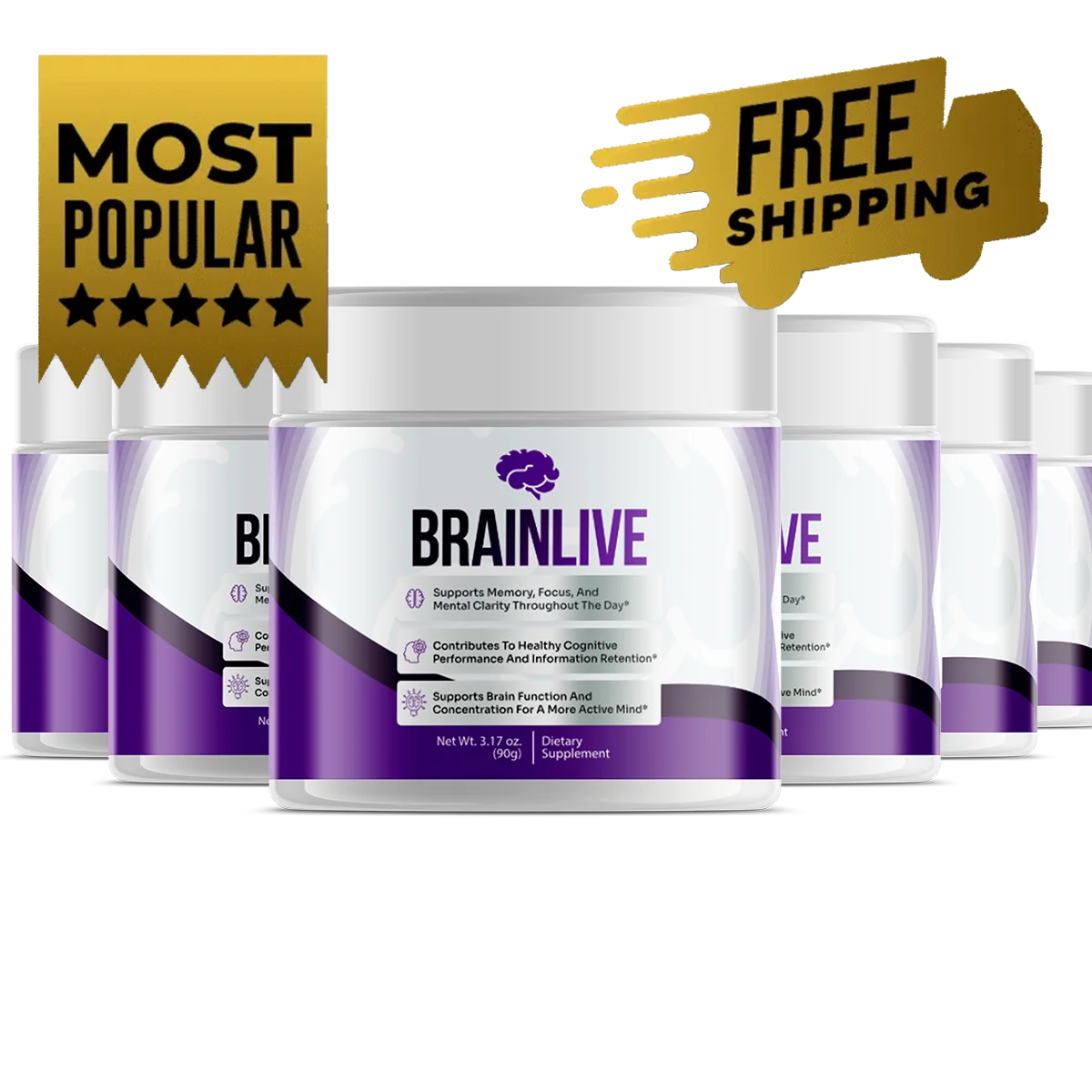
When a perfect plate is not possible, Brainlive adds prebiotic fibers, L-arabinose and spermidine in one naturally flavored scoop. The six-tub bundle is the best value at $49 per tub, with free U.S. shipping.
Order Brainlive — from $49/tubAre there foods to keep to a minimum?
The flip side of the list is short and unsurprising: ultra-processed foods, sugary drinks and heavily refined carbohydrates offer little fiber and can crowd out the whole foods above. You do not need perfection — simply tilt the balance toward whole, colorful, fiber-rich plates most of the time, and let the occasional treat be an occasional treat.
When should you talk to a doctor or dietitian?
Food is powerful, but it is not a treatment for a medical condition. If you are managing a diagnosed illness, are pregnant or nursing, take medication, or have specific dietary needs, a registered dietitian or your physician can tailor these general ideas to you. This article is educational and not a substitute for personalized advice.
Frequently asked questions
What are the best foods for brain health and memory?
Whole, fiber-rich and colorful foods: oily fish, leafy greens, berries, nuts and seeds, beans and lentils, whole grains, and fermented foods. Together they supply omega-3 fats, antioxidants and prebiotic fiber.
Why is fiber important for the brain?
Prebiotic fiber feeds the beneficial gut bacteria that form part of the gut-brain axis, the two-way link between gut and brain. It is the idea Brainlive is built around, from the plate up.
Do I have to eat fish for brain health?
No. If you do not eat fish, walnuts, chia and flax provide a plant form of omega-3, and algae oil is a direct vegetarian source. Variety across whole plants matters most.
Can a supplement replace a brain-healthy diet?
No. A prebiotic-and-polyamine scoop like Brainlive complements a whole-food plate; it does not replace it. Food first, with a supplement as one easy extra step.
Are berries really that good for the brain?
Berries are among the most antioxidant-dense foods available, and the fiber in whole fruit slows the sugar it delivers, making them a standout brain-friendly snack.
What foods should I keep to a minimum?
Ultra-processed foods, sugary drinks and heavily refined carbohydrates offer little fiber and can crowd out whole foods. Tilt the balance toward whole, colorful plates most of the time.
Try Brainlive risk-free for 60 days →
Brainlive is a dietary supplement, not a treatment for any medical condition. These statements have not been evaluated by the Food and Drug Administration. This product is not intended to diagnose, treat, cure or prevent any disease. Always consult a qualified healthcare professional about your individual needs.
References & further reading
- National Institutes of Health, National Institute on Aging. Cognitive Health and Older Adults. nia.nih.gov/health/cognitive-health-and-older-adults
- National Center for Complementary and Integrative Health (NCCIH). Probiotics: What You Need To Know. nccih.nih.gov/health/probiotics-what-you-need-to-know
- Examine.com. Resistant Starch. examine.com/supplements/resistant-starch
- Morris MC, Tangney CC, Wang Y, et al. MIND diet slows cognitive decline with aging. Alzheimer’s & Dementia, 2015. pubmed.ncbi.nlm.nih.gov/26086182
- Examine.com. Spermidine. examine.com/supplements/spermidine
- Yurko-Mauro K, McCarthy D, Rom D, et al. Beneficial effects of docosahexaenoic acid on cognition in age-related cognitive decline. Alzheimer’s & Dementia, 2010. pubmed.ncbi.nlm.nih.gov/20434961
- Berding K, Vlckova K, Marx W, et al. Diet and the microbiota-gut-brain axis: sowing the seeds of good mental health. Advances in Nutrition, 2021. pubmed.ncbi.nlm.nih.gov/33693453
These references describe the ingredients and habits in general terms and do not constitute evidence that any product treats, cures or prevents any condition.
Keep reading: how to improve memory and focus naturally · the gut-brain axis explained · back to the Brainlive blog · homepage.