What are nootropics? The Brainlive gut-brain guide

Updated September 2026 · reviewed by the Brainlive Research Team. We are an independent information resource, not a medical provider, and this article is educational rather than medical advice.
A nootropic is any substance — from everyday caffeine to prescription drugs and natural plant compounds — taken with the goal of supporting memory, focus, or mental energy. The word describes an intention rather than a single proven ingredient, which is why nootropics range from a morning coffee to a gut-brain formula like Brainlive, and why the science behind them varies so widely from one to the next.
What "nootropic" really means, and how to read the category honestly.
- The definition
- Nootropics are cognitive enhancers — anything people use to try to sharpen thinking, attention or recall. It is a broad umbrella, not a medical class.
- The main types
- Three families: stimulant-based (like caffeine), synthetic racetams, and natural nootropics from foods, herbs and prebiotic fibers.
- What the science says
- A few have solid human evidence; many rest on early or preliminary research. Honest labels acknowledge the difference.
- Where Brainlive fits
- In the natural category — a gut-brain powder that feeds beneficial bacteria rather than stimulating the brain directly. It is a supplement, not a treatment.
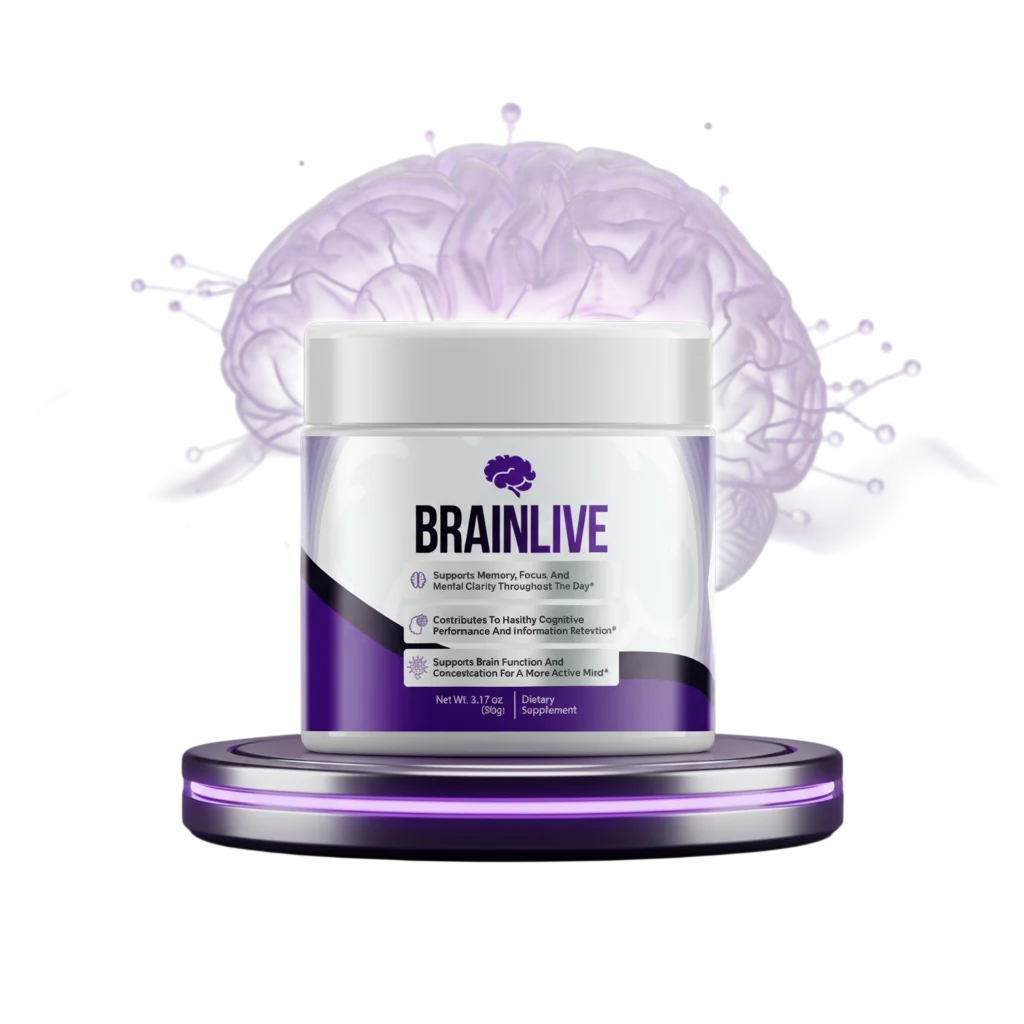
If you have searched for a way to think a little more clearly and found a wall of unfamiliar words — racetams, adaptogens, smart drugs, stacks — you are not alone. This beginner's guide unpacks what nootropics actually are, sorts them into the three families worth knowing, looks honestly at what the research does and does not support, and shows where a natural, gut-first formula like Brainlive sits in the picture.
What does the word "nootropic" actually mean?
The word "nootropic" comes from the Greek noos (mind) and tropos (a turning), coined in the 1970s by a Romanian scientist to describe a compound he believed could support the mind with few side effects. In everyday use today, a nootropic is simply any substance — a food, a drink, a supplement, or a drug — that a person takes hoping to enhance some aspect of thinking, such as memory, attention, motivation, or mental stamina. Crucially, "nootropic" is not a regulated medical category. Calling something a nootropic tells you what it is for, not how well it works, so the label covers everything from a well-studied cup of coffee to compounds with almost no human research behind them. That breadth is exactly why the word can be so confusing: the same term is used for a food, a supplement, and a controlled medication, and each carries very different evidence, risk, and legal status. Understanding which one a product actually is matters far more than the marketing label on the front of the box.
What are the main types of nootropics?
Nootropics fall into three broad families — stimulant-based, synthetic racetams, and natural nootropics — and knowing which family a product belongs to tells you most of what you need about its strength, its risks, and the quality of its evidence. Here is how the three compare at a glance before we walk through each one.
| Family | Typical examples | How strong is the evidence? |
|---|---|---|
| Stimulant-based | Caffeine, L-theanine, prescription stimulants | Caffeine is well studied for alertness; prescription options are medical, not casual, tools. |
| Racetams & synthetics | Piracetam, aniracetam and related compounds | Mixed and often preliminary; largely unregulated as supplements in the U.S. |
| Natural nootropics | Herbs, adaptogens, prebiotic fibers, spermidine | Ranges from modest human data to early research; generally gentle and food-derived. |
What are stimulant-based nootropics?
Stimulant-based nootropics work by temporarily raising alertness and arousal, and the most familiar of all is caffeine. Caffeine has some of the best human evidence of any cognitive aid for short-term wakefulness and attention, which is why a morning coffee is, technically, the world's most popular nootropic. Pairing caffeine with L-theanine — an amino acid found in tea — is a well-liked combination that many people find gives focus without the jitters. At the stronger end sit prescription stimulants, which are genuine medications for diagnosed conditions and are neither intended nor appropriate for casual "productivity" use. Whether caffeine genuinely counts as a cognitive enhancer is examined by Nehlig, Journal of Alzheimer’s Disease, 2010.
What are racetams and synthetic nootropics?
Racetams are a family of laboratory-made compounds — piracetam was the first — that gave the modern nootropic movement its name. They are the archetypal "smart drug": synthetic molecules sold and swapped online in the hope of boosting memory or learning. The honest picture is that the human evidence for most racetams is mixed, dated, or thin, and in the United States they are not approved supplements or drugs, which means quality and dosing are unregulated. That combination of uncertain benefit and uncertain sourcing is why many people looking for everyday support prefer to start with gentler, food-based options.

What are natural nootropics?
Natural nootropics are cognitive-support ingredients that come from foods, herbs, and other plant or dietary sources rather than a laboratory. This family includes traditional botanicals and adaptogens, amino acids like L-theanine, and — increasingly — prebiotic fibers and compounds such as spermidine that act through the gut rather than on the brain directly. Their appeal is gentleness: because they are food-derived and generally well tolerated, they suit people who want steady daily support instead of a sharp, short-lived stimulant hit. The trade-off is patience; natural nootropics tend to build their effect gradually, and the strength of the evidence still varies from ingredient to ingredient.
See what is in every Brainlive scoop →
What does the science actually say about nootropics?
The honest scientific summary is that nootropics are not one thing, so there is no single verdict — the evidence is strong for a few, promising for some, and thin for many. Caffeine's short-term effect on alertness is well established in human studies. A handful of natural ingredients have modest, real trials behind them. But a great deal of nootropic marketing leans on animal research, test-tube studies, or small early trials, and stretches those findings further than the data allows. The two questions worth asking about any nootropic claim are simple: was it tested in humans? and does the label promise a realistic, everyday benefit rather than a dramatic transformation? A trustworthy product is candid about where the evidence is still preliminary — and never claims to treat, cure, or prevent a disease. The clearest cautionary example is Ginkgo biloba, which failed to prevent Alzheimer’s disease over five years in the large GuidAge trial reported by Vellas et al., The Lancet Neurology, 2012.
A natural nootropic you can take daily
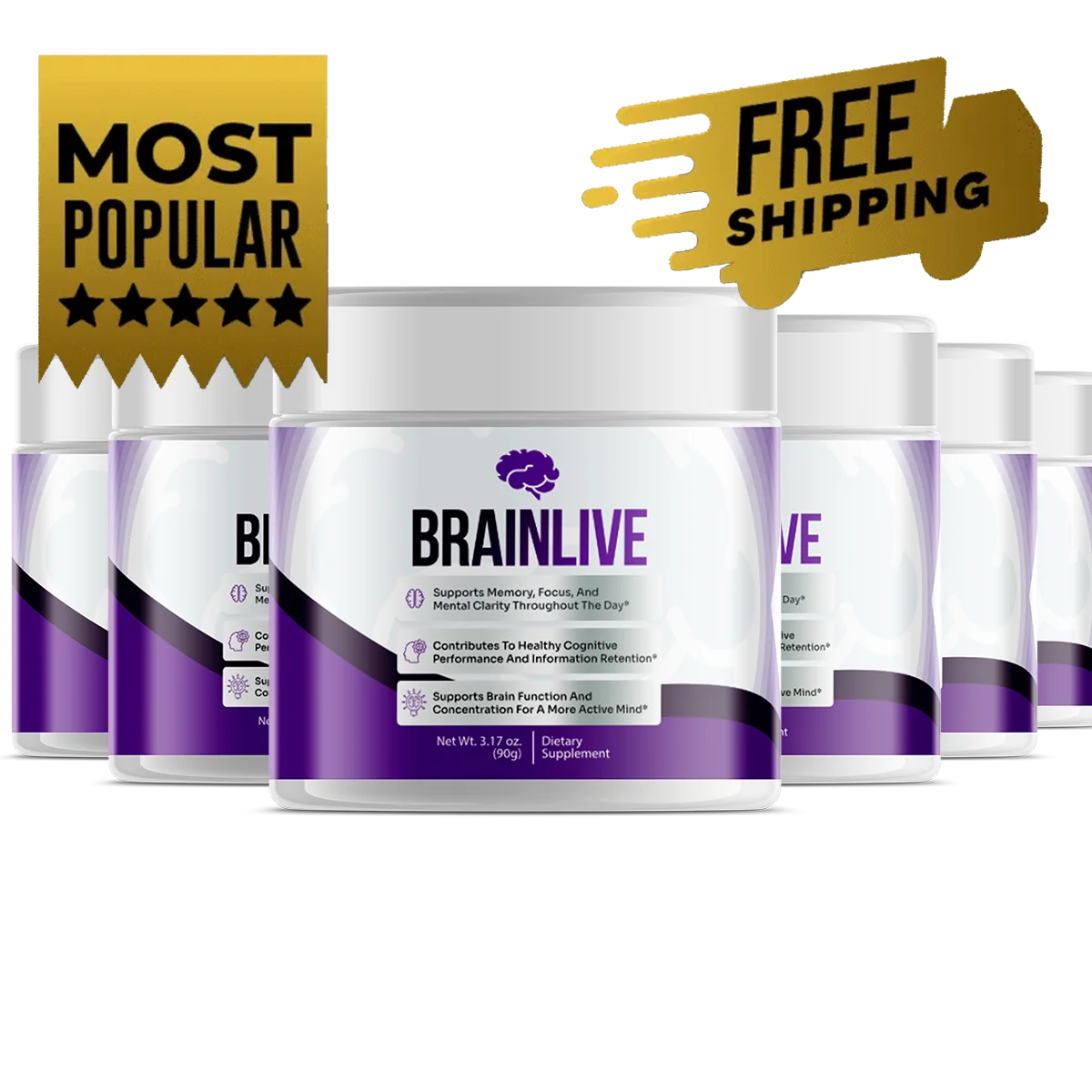
Brainlive is a once-daily scoop that feeds the gut-brain axis with prebiotic fibers, L-arabinose and spermidine — no stimulants, no synthetics. The six-tub bundle is the best value at $49 per tub, with free U.S. shipping and a 60-day guarantee.
Check today's Brainlive pricing — from $49/tubWhere does a gut-brain formula like Brainlive fit in?
Brainlive belongs firmly in the natural nootropic family, but it takes an unusual route: instead of stimulating the brain directly, it works through the gut-brain axis — the two-way communication line between the trillions of microbes in your digestive tract and your brain. Rather than caffeine or a synthetic molecule, Brainlive supplies prebiotic fibers and food-derived compounds that feed beneficial gut bacteria, which is one of the most active and genuinely promising areas of current nutrition research. It is a dietary supplement for everyday wellness, not a drug and not a treatment. The snapshot below shows the natural, gut-focused ingredients it brings together. The pathways that carry that traffic — the vagus nerve, immune signalling, microbial metabolites and hormones — are mapped in detail in a major review by Cryan et al., Physiological Reviews, 2019.

| Ingredient | Type of nootropic | General role |
|---|---|---|
| Pea starch | Natural — prebiotic fiber | A resistant starch that reaches the lower gut, where it feeds beneficial bacteria on the gut-brain axis. |
| Baobab fiber | Natural — fruit fiber | A traditional African food, naturally rich in soluble prebiotic fiber. |
| Konjac glucomannan | Natural — soluble fiber | One of the most studied prebiotic and satiety fibers, long used as a food in East Asia. |
| L-arabinose | Natural — plant sugar | Studied for its role in how the body handles dietary carbohydrates and steadier everyday energy. |
| Spermidine | Natural — polyamine | Occurs in foods like wheat germ; studied for its role in autophagy, the body's cellular renewal. |
For a deeper look at the mechanism behind this approach, read our explainer on the gut-brain axis, or see how the same ingredients support day-to-day mental clarity naturally. You can also review the full ingredients and dosing on the Brainlive homepage.
How do you choose a nootropic safely?
Choosing a nootropic safely comes down to matching the strength of a product to your goal and your risk tolerance, and reading claims with a skeptical eye. A few practical rules keep beginners on solid ground:
- Start with the gentlest option that fits your goal — for most people that means food, sleep, and well-tolerated natural ingredients before anything stronger.
- Prefer transparent labels that list each ingredient and its amount, rather than a hidden "proprietary blend."
- Be wary of dramatic promises. Realistic, everyday language is a good sign; "genius pill" or disease claims are a red flag.
- Avoid unregulated synthetics sold with no quality oversight, especially anything you cannot verify.
- Check for a guarantee so you can stop with little risk if a product does not suit you.
- Talk to your doctor before adding anything, particularly if you take medication or have a health condition.
When should you talk to a doctor?
Nootropics of any kind are meant to support an already-healthy mind, and they are not a substitute for medical care. Speak with your doctor before starting any nootropic — and especially before considering a prescription or synthetic compound — if you are pregnant or nursing, under 18, take any medication, have a diagnosed condition, or notice persistent or worsening symptoms such as significant memory loss, confusion, or mood changes. A short conversation ensures anything you add fits safely alongside your existing care.
Frequently asked questions
What are nootropics in simple terms?
Nootropics are substances — from everyday caffeine to prescription drugs and natural plant compounds — that people take hoping to support memory, focus or mental energy. The word describes an intention, not a proven category, so the evidence behind them varies widely.
What is the difference between a nootropic and a smart drug?
“Smart drug” is casual slang usually reserved for prescription stimulants or synthetic compounds used off-label for focus. “Nootropic” is the broader term and includes gentle natural options like caffeine, L-theanine and prebiotic fibers alongside those stronger agents.
Are natural nootropics actually effective?
Some have modest, human evidence — caffeine for alertness, for example — while many others rest on early or preliminary research. Natural nootropics are best seen as gentle support for an already-healthy mind, not a guaranteed boost, and results vary from person to person.
Is a gut-brain formula like Brainlive a nootropic?
Brainlive sits in the natural, food-derived category. Rather than stimulating the brain directly, it feeds the gut-brain axis with prebiotic fibers and spermidine. It is a dietary supplement that supports everyday wellness, not a treatment for any condition.
Are nootropics safe to take?
Safety depends entirely on the substance. Whole-food and prebiotic ingredients are generally well tolerated, while prescription stimulants and unregulated synthetic compounds carry real risks and should only be used under medical supervision. Always read labels and check with a doctor.
How long do nootropics take to work?
Stimulant-type nootropics such as caffeine are felt within an hour, whereas natural, gut-focused nutrients tend to build gradually over several weeks to a few months. Brainlive is designed as a daily habit rather than a same-day boost.
Try the natural nootropic in Brainlive risk-free for 60 days →
Brainlive is a dietary supplement, not a treatment for any medical condition. These statements have not been evaluated by the Food and Drug Administration. This product is not intended to diagnose, treat, cure or prevent any disease. Always consult a qualified healthcare professional about your individual needs.
References & further reading
- National Center for Complementary and Integrative Health (NCCIH). “Brain Health” Supplements. nccih.nih.gov/health/brain-health-supplements-what-the-science-says
- National Institutes of Health, National Institute on Aging. Cognitive Health and Older Adults. nia.nih.gov/health/cognitive-health-and-older-adults
- Examine.com. Caffeine — evidence-based summary. examine.com/supplements/caffeine
- Examine.com. Spermidine — evidence-based summary. examine.com/supplements/spermidine
- Nehlig A. Is caffeine a cognitive enhancer?. Journal of Alzheimer’s Disease, 2010. pubmed.ncbi.nlm.nih.gov/20182035
- Appleton J. The gut-brain axis: influence of microbiota on mood and mental health. Integrative Medicine (Encinitas), 2018. ncbi.nlm.nih.gov/pmc/articles/PMC6469458
- Vellas B, Coley N, Ousset PJ, et al. Long-term use of standardised Ginkgo biloba extract for the prevention of Alzheimer’s disease (GuidAge): a randomised placebo-controlled trial. The Lancet Neurology, 2012. pubmed.ncbi.nlm.nih.gov/22959217
- Cryan JF, O’Riordan KJ, Cowan CSM, et al. The Microbiota-Gut-Brain Axis. Physiological Reviews, 2019. pubmed.ncbi.nlm.nih.gov/31460832
These references describe the ingredients and categories in general terms and do not constitute evidence that any product treats, cures or prevents any condition.
Keep reading: how to improve memory and focus naturally · the best foods for brain health and memory · read the full Brainlive review · back to the Brainlive blog.