Baobab fiber benefits: the African superfruit fiber inside Brainlive

Updated September 2026 · reviewed by the Brainlive Research Team. We are an independent information resource, not a medical provider, and this article is educational rather than medical advice.
Baobab fiber is the dried, naturally powdered pulp of the African baobab fruit, prized for its unusually high content of soluble prebiotic fiber. In Brainlive it is one strand of a wider fiber matrix, chosen because that soluble fiber becomes food for the beneficial bacteria that take part in the gut-brain conversation. It is a nourishing whole-food fiber, not a treatment for any condition.
What baobab fiber is, and the honest case for its benefits.
- What it is
- The soluble-fiber-rich dried pulp of the baobab fruit, a staple African food for centuries and a natural prebiotic.
- Why it is in Brainlive
- It rounds out the formula’s fiber matrix, adding a gentle soluble fiber that feeds a healthy gut microbiome.
- Main benefit
- As a prebiotic, it supports the beneficial gut bacteria that produce short-chain fatty acids — part of whole-body wellness, not a cure.
- The honest caveat
- Baobab research is still smaller than the work behind inulin, so we call it a promising prebiotic, not a proven one.
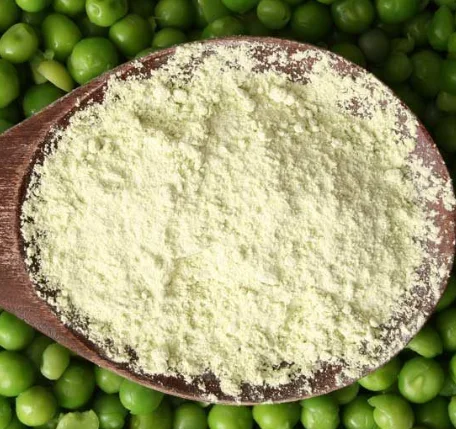
If you have scanned the Brainlive ingredients list and paused at “baobab,” you are not alone. It is one of the more unfamiliar entries on the label, yet it earns its place: this African superfruit is one of nature’s most fiber-dense fruits. This profile explains what baobab is, its long food history, how much fiber it carries, and the prebiotic role it plays inside the wider fiber matrix that feeds the gut-brain axis.
What is baobab, the African superfruit?
Baobab is the fruit of Adansonia digitata, the iconic upside-down tree of the African savanna, and it is one of the very few fruits that dries naturally on the branch into a ready-to-use powder. Unlike most fruits, baobab pods do not need harvesting and processing while fresh; the pulp dehydrates inside the hard shell while still on the tree, which is why the powder has been gathered and eaten across sub-Saharan Africa for generations without any modern factory step. In a human study by Coe et al., Nutrition Research, 2013, polyphenol-rich baobab fruit slowed starch digestion and reduced the glycaemic response to a starchy meal.
That pale, citrus-tart pulp has long been mixed into water, porridge and drinks as an everyday food and a source of nourishment during dry seasons. In Western markets it arrived more recently, approved as a food ingredient in the European Union in 2008 and in the United States soon after — which opened the door to its use in modern drink mixes and supplements like Brainlive.
How much fiber does baobab pulp actually contain?
Dried baobab pulp is roughly forty-five to fifty percent fiber by weight, one of the highest fiber densities of any common fruit powder. What makes it especially interesting for a gut-focused formula is the split: a large share of that fiber is soluble, the fermentable kind that gut bacteria can actually feed on, with the remainder insoluble fiber that adds bulk. The table below sets baobab beside a few familiar fiber sources so the density is easy to see. For the fuller picture, see our guide to konjac glucomannan, the soluble root fiber.
| Fiber source | Approx. total fiber | Notable feature |
|---|---|---|
| Baobab pulp (dried) | ~45–50% by weight | Exceptionally fiber-dense; largely soluble and fermentable. |
| Oat bran | ~15–18% | Well-known soluble fiber (beta-glucan). |
| Apple (with skin) | ~2–3% | Everyday fruit fiber, mix of soluble and insoluble. |
| Chia seed | ~34% | High fiber, mostly insoluble and gel-forming. |
Figures are approximate ranges for whole or dried foods and vary by source and preparation. They describe fiber content only and are not health claims.
Because the powder is so concentrated, even a modest amount contributes meaningfully to the total fiber in a daily scoop — which is precisely why baobab was chosen to round out, rather than dominate, the Brainlive matrix.
What makes baobab fiber a prebiotic?
A prebiotic is a fiber your body cannot digest but your gut bacteria can, and baobab’s soluble fiber fits that definition. When soluble fiber reaches the lower gut intact, resident bacteria ferment it and release short-chain fatty acids such as butyrate, the compounds that help maintain the gut lining and are a growing focus of microbiome science. Small early studies on baobab extracts suggest they can nudge fermentation in this beneficial direction. What formally counts as a prebiotic at all was settled in a consensus statement by Gibson et al., Nature Reviews Gastroenterology & Hepatology, 2017. If that is the part you came for, read prebiotic fiber versus probiotics for the brain next.
We want to be candid about the strength of that evidence. The prebiotic research on baobab is real but still modest — a handful of laboratory and small human studies — and far smaller than the decades of work behind classic prebiotics like inulin. That is why Brainlive treats baobab as a promising, complementary prebiotic within a blend, not a standalone hero ingredient making outsized promises.
How does baobab fit the Brainlive fiber matrix?
Brainlive is built as a fiber matrix, not a single fiber, because different prebiotic fibers ferment at different rates and feed different bacteria along the gut. Baobab’s gentle, tangy soluble fiber sits alongside a resistant starch and a highly studied soluble fiber, so the blend supports a broader slice of the microbiome than any one source could. The table shows how the pieces complement one another.
| Fiber in the blend | Type | Role in the matrix |
|---|---|---|
| Baobab fiber | Fruit soluble fiber | A gentle, tangy prebiotic from a traditional African food; broadens the fiber mix. |
| Pea starch | Resistant starch | Reaches the lower gut to feed bacteria that produce short-chain fatty acids. |
| Konjac glucomannan | Soluble fiber | One of the most studied prebiotic and satiety fibers, long used as a food. |
| Spermidine | Polyamine | Not a fiber; studied for its role in autophagy, the body’s cellular renewal. |
For the wider mechanism behind why any of this matters to the mind, read our companion guide to the gut-brain axis explained, or see how fiber shows up on the plate in the best foods for brain health and memory.
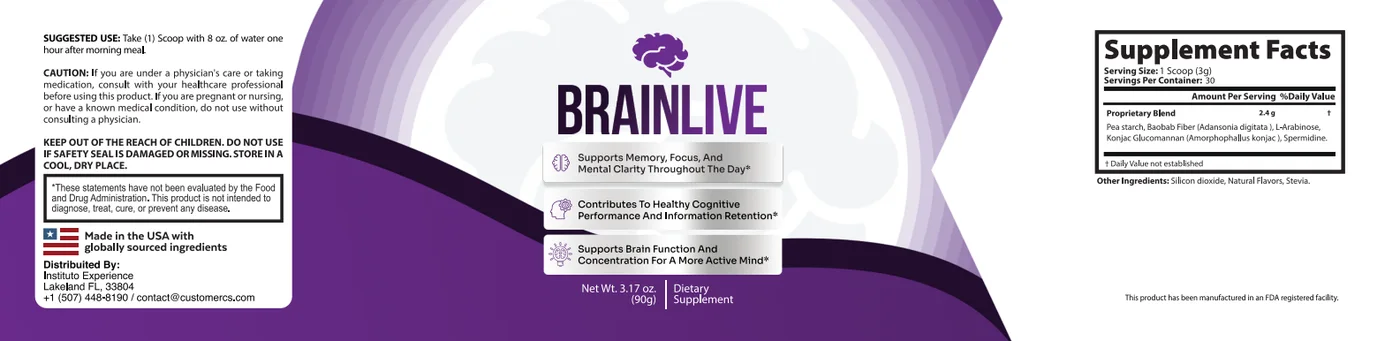
See what is in every Brainlive scoop
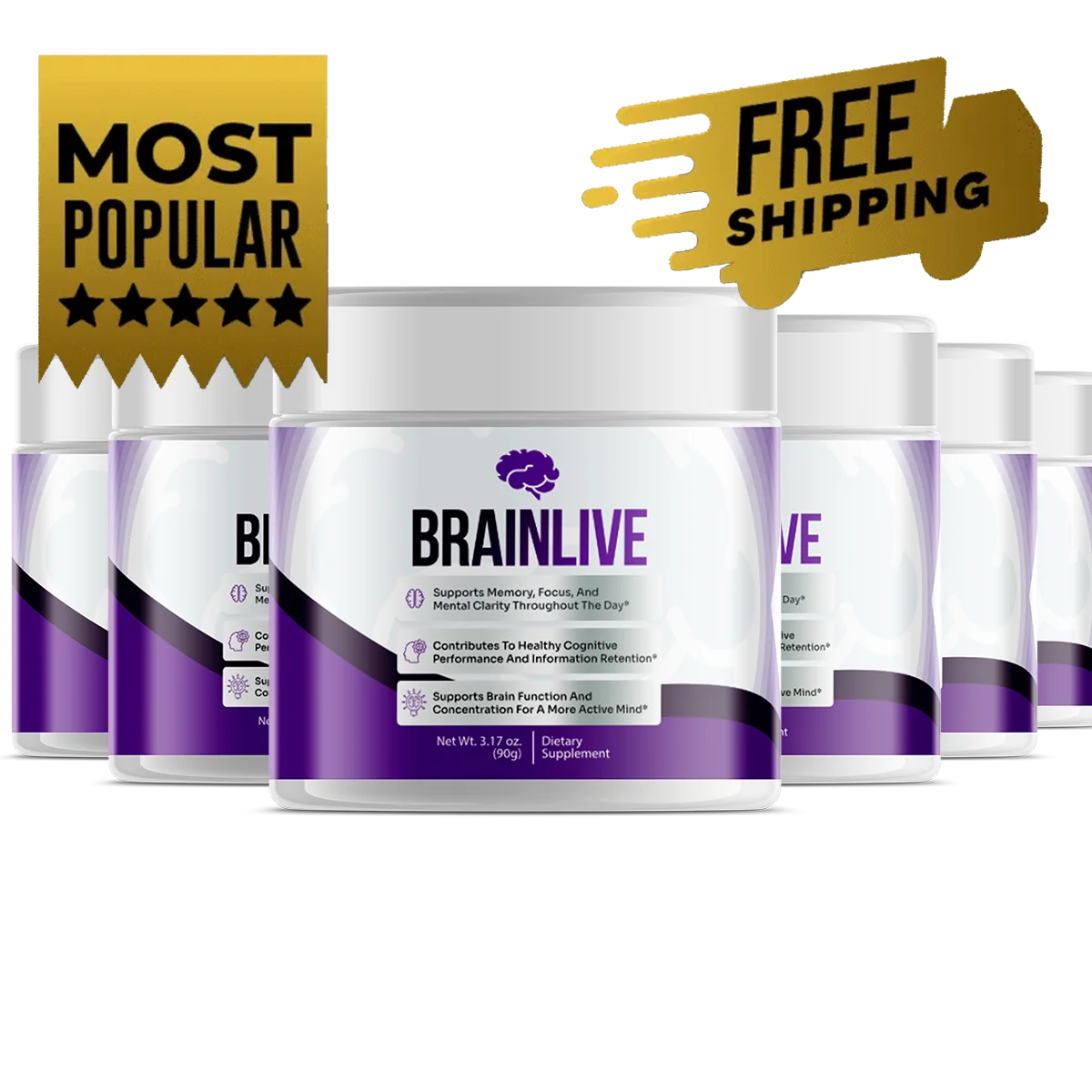
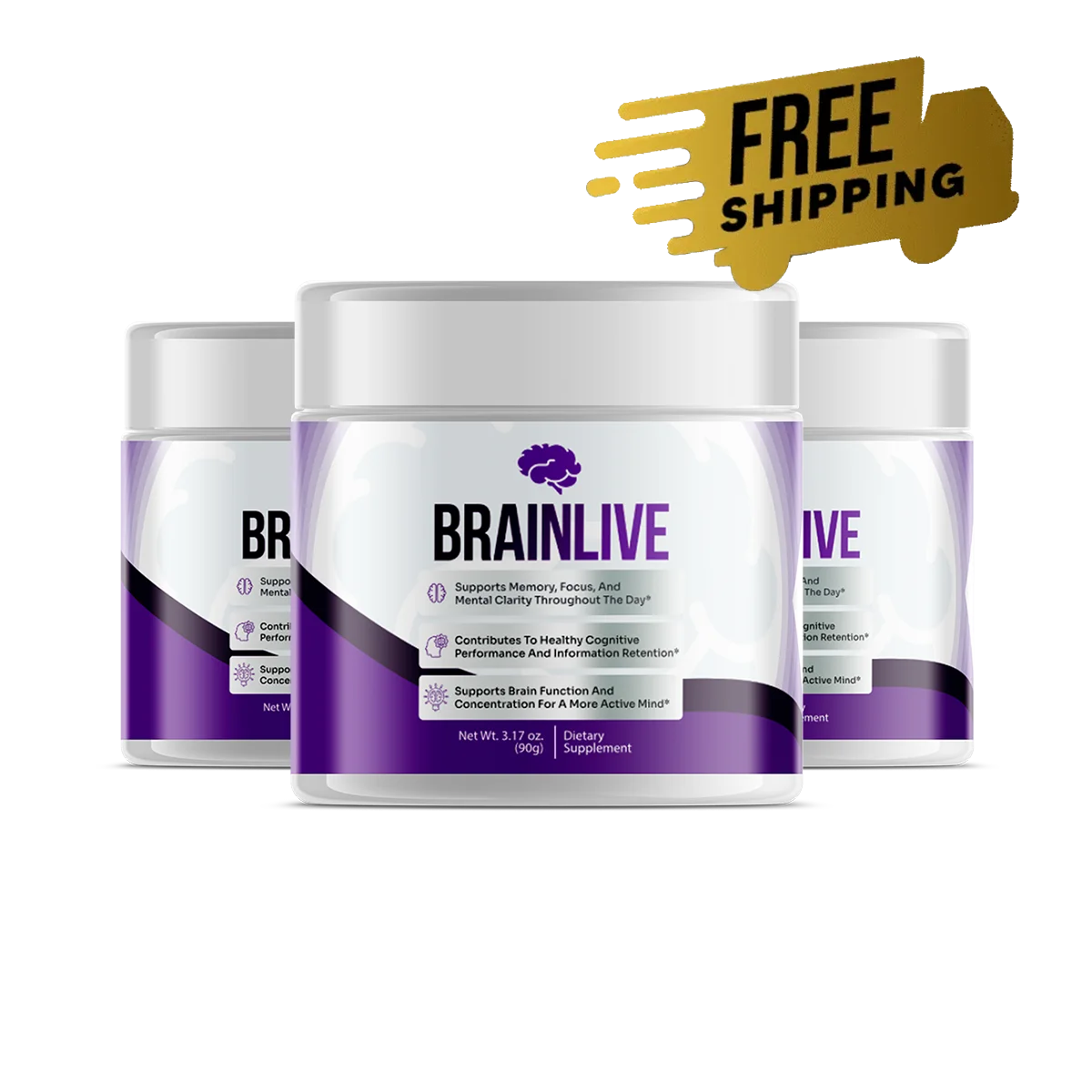
Brainlive is a once-daily scoop pairing baobab with pea starch, konjac glucomannan, L-arabinose and spermidine. The six-tub bundle is the best value at $49 per tub, with free U.S. shipping and a 60-day guarantee.
Order Brainlive — from $49/tubWhat are the benefits of baobab fiber?
The clearest, best-supported benefit of baobab fiber is simply that it is a concentrated source of soluble prebiotic fiber, a nutrient most modern diets fall short on. Here the evidence is straightforward: soluble fiber supports regularity, feeds beneficial gut bacteria, and helps slow the pace at which sugars enter the bloodstream. These are whole-body, everyday benefits rather than dramatic ones.
Does baobab fiber help steady energy?
Soluble fiber forms a soft gel in the gut that slows digestion, which can help smooth the rise and fall of blood sugar after a meal. Baobab has been studied in small trials for exactly this “steadier release” effect, and it pairs naturally with L-arabinose in Brainlive, another ingredient studied for how the body handles dietary carbohydrates. The takeaway is gentle support for even energy, not a claim to manage any condition.
Does baobab fiber support the gut microbiome?
Yes, in the supportive sense that all good prebiotics do: by giving beneficial bacteria something to eat. A well-fed microbiome is more diverse and resilient, and it is that same microbiome that participates in the gut-brain axis. Baobab does not act on the brain directly; its contribution is upstream, at the level of the gut ecosystem that the brain is in constant conversation with.
Is baobab fiber safe, and who should be careful?
Baobab has a long history of safe use as a food, and for most healthy adults a fiber-rich formula is well tolerated. The main thing to know is common to any concentrated fiber: adding a lot too quickly can cause temporary gas or bloating while your gut adjusts. Introducing it gradually and drinking plenty of water usually settles this within a week or two.
As always, a supplement supports a healthy routine and is never a substitute for medical care. Speak with your doctor before starting if you are pregnant or nursing, under 18, take any medication, or are managing a diagnosed digestive or metabolic condition. A brief conversation makes sure a new fiber fits safely alongside the rest of your care.
How does baobab compare with other prebiotic fibers?
Baobab’s distinctive edge is that it is a whole-food fiber with a pleasant citrus tang, so it earns its place in a drink mix on taste as well as function. Compared with inulin its evidence base is younger, a fair trade-off for a traditional food history. Inside Brainlive it is not asked to stand alone — it complements the more heavily studied fibers so the blend is greater than any single part. The full picture, including the label and packages, lives on our Brainlive review and homepage. The effect of dietary fiber on the makeup of the gut microbiota is reviewed by Makki et al., Cell Host & Microbe, 2018.
Frequently asked questions
What is baobab fiber, in simple terms?
Baobab fiber is the naturally dried pulp of the African baobab fruit, which is unusually rich in soluble fiber. In Brainlive it acts as a prebiotic, meaning it becomes food for the beneficial bacteria that line the lower gut.
How much fiber does baobab pulp actually contain?
Dried baobab pulp is roughly forty-five to fifty percent fiber by weight, and a large share of that is soluble fiber. That density is why even a modest scoop meaningfully adds to the fiber matrix in a formula like Brainlive.
Is baobab fiber a true prebiotic?
Its soluble fiber is fermentable, which is the defining feature of a prebiotic: gut bacteria break it down and produce short-chain fatty acids. Early research is promising, though it is still smaller than the body of work behind inulin, so we describe it as a promising prebiotic rather than a proven treatment.
Does baobab fiber help the gut-brain axis?
Indirectly. By feeding beneficial gut bacteria, prebiotic fibers like baobab support the microbiome that takes part in the gut-brain conversation. This is a supportive, whole-body role, not a treatment for any brain or mood condition, and results vary from person to person.
Can I just eat baobab powder instead of taking Brainlive?
You can enjoy baobab powder as a food on its own. Brainlive pairs baobab with other prebiotic fibers, L-arabinose and spermidine in a measured daily scoop, so the point of the formula is the combined fiber matrix rather than baobab alone.
Are there side effects to adding baobab fiber?
Because it is a concentrated fiber, adding baobab too quickly can cause temporary gas or bloating while your gut adjusts. Introduce it gradually, drink plenty of water, and speak with your doctor first if you are pregnant, nursing or managing a digestive condition.
Check today’s Brainlive pricing →
Brainlive is a dietary supplement, not a treatment for any medical condition. These statements have not been evaluated by the Food and Drug Administration. This product is not intended to diagnose, treat, cure or prevent any disease. Always consult a qualified healthcare professional about your individual needs.
References & further reading
- National Center for Complementary and Integrative Health (NCCIH). Probiotics: What You Need To Know. nccih.nih.gov/health/probiotics-what-you-need-to-know
- Coe SA, Clegg M, Armengol M, Ryan L. The polyphenol-rich baobab fruit (Adansonia digitata L.) reduces starch digestion and glycemic response in humans. Nutrition Research, 2013. pubmed.ncbi.nlm.nih.gov/24176228
- Makki K, Deehan EC, Walter J, Bäckhed F. The impact of dietary fiber on gut microbiota in host health and disease. Cell Host & Microbe, 2018. pubmed.ncbi.nlm.nih.gov/29902436
- Examine.com. Glucomannan (konjac fiber) — evidence summary. examine.com/supplements/glucomannan
- Mayo Clinic. Dietary fiber: Essential for a healthy diet. mayoclinic.org — dietary fiber
- Gibson GR, Hutkins R, Sanders ME, et al. Expert consensus document: the ISAPP consensus statement on the definition and scope of prebiotics. Nature Reviews Gastroenterology & Hepatology, 2017. pubmed.ncbi.nlm.nih.gov/28611480
These references describe the ingredients and general nutrition science and do not constitute evidence that any product treats, cures or prevents any condition.
Keep reading: the gut-brain axis explained · the best foods for brain health and memory · back to the Brainlive blog · homepage.