Prebiotic fiber vs probiotics for the brain: the Brainlive guide

Updated September 2026 · reviewed by the Brainlive Research Team. We are an independent information resource, not a medical provider, and this article is educational rather than medical advice.
Prebiotic fiber vs probiotics comes down to one clean distinction: probiotics are live bacteria you add to your gut, while prebiotic fibers are the food that feeds the beneficial bacteria you already have. Both sit inside the gut-brain conversation, but they work from opposite ends — and Brainlive deliberately takes the prebiotic-fiber route rather than shipping live cultures.
Prebiotics vs probiotics, settled in one box.
- Probiotics
- Live beneficial bacteria you swallow — the gardeners you introduce into the gut, which then have to survive the trip and settle in.
- Prebiotics
- Non-digestible fibers that feed the good bacteria already living in you — the fertilizer for the garden you already have.
- For the brain
- Both feature in gut-brain research, but neither treats any condition; evidence is early and effects are supportive, not curative.
- Brainlive’s choice
- A prebiotic-fiber blend — pea starch, baobab and konjac glucomannan with L-arabinose and spermidine — not a live-culture probiotic.
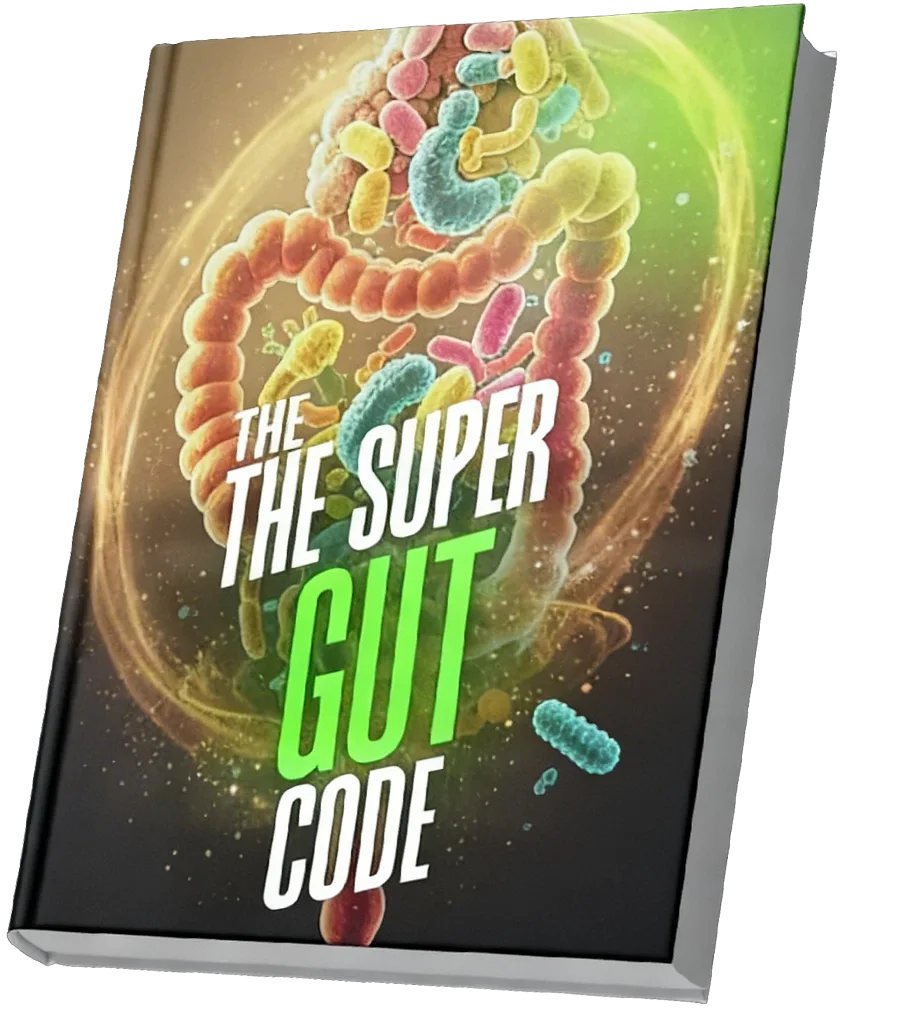
On the shelf, prebiotic and probiotic sit one letter apart, as if interchangeable. They are not. Knowing the difference is the fastest way to choose a gut brain supplement that fits what you want. This guide breaks down both and explains the reasoning behind Brainlive’s fiber-first formula.
What is the difference between prebiotics and probiotics?
Prebiotics and probiotics are complementary, not competing: prebiotics are the fibers that feed your microbes, and probiotics are the live microbes themselves. The single-letter spelling hides a real difference in what is in the jar and how it behaves once it reaches your gut. One is an ingredient your own bacteria eat; the other is a population of bacteria you are trying to add.
What are probiotics?
Probiotics are live microorganisms — typically strains of Lactobacillus and Bifidobacterium — that, when taken in adequate amounts, are intended to confer a benefit. The catch is logistics: those cultures must stay alive through manufacturing, shelf storage and the acid bath of your stomach before they can do anything, and many strains are transient, passing through rather than taking up residence. The National Center for Complementary and Integrative Health notes that effects are strain-specific, so a benefit shown for one strain does not transfer to another. The working definition of a probiotic comes from a consensus statement by Hill et al., Nature Reviews Gastroenterology & Hepatology, 2014.
What are prebiotics?
Prebiotics are non-digestible fibers — such as inulin, resistant starch and glucomannan — that your own gut bacteria ferment in the large intestine. Because you cannot digest them yourself, they arrive intact in the lower gut and become food for the beneficial microbes already established there. When those bacteria ferment fiber, they produce short-chain fatty acids like butyrate, compounds that researchers study for their role in the gut lining and in gut-to-brain signaling. What formally counts as a prebiotic at all was settled in a consensus statement by Gibson et al., Nature Reviews Gastroenterology & Hepatology, 2017.
Prebiotic fiber vs probiotics: which matters more for the gut-brain axis?
For the gut-brain axis, prebiotic fiber has a structural advantage: it nourishes the diverse community you already carry rather than betting on a few added strains surviving the journey. The gut-brain axis is the two-way signaling network between your digestive tract and nervous system, with the microbiome in the middle. Both approaches aim to shift that ecosystem helpfully; they simply start from different places.
| Prebiotic fiber | Probiotics | |
|---|---|---|
| What it is | Non-digestible fiber (food for bacteria) | Live bacteria (the organisms themselves) |
| How it acts | Feeds the microbes you already have | Adds new microbes to the mix |
| Survives the stomach? | Yes — fiber is inert and stable | Variable — live cells can die off |
| Shelf stability | High; no live cells to keep alive | Lower; potency can fade over time |
| Breadth of effect | Broad — supports many resident species | Narrow — strain-specific |
| Common sources | Whole plants, legumes, fiber supplements | Yogurt, fermented foods, capsules |
Neither column is a magic bullet, and neither treats, cures or prevents any disease. But the durability and breadth of fiber are exactly why a fiber-first design is appealing for a daily, long-term routine. For the underlying biology, our explainer on the gut-brain axis goes deeper.
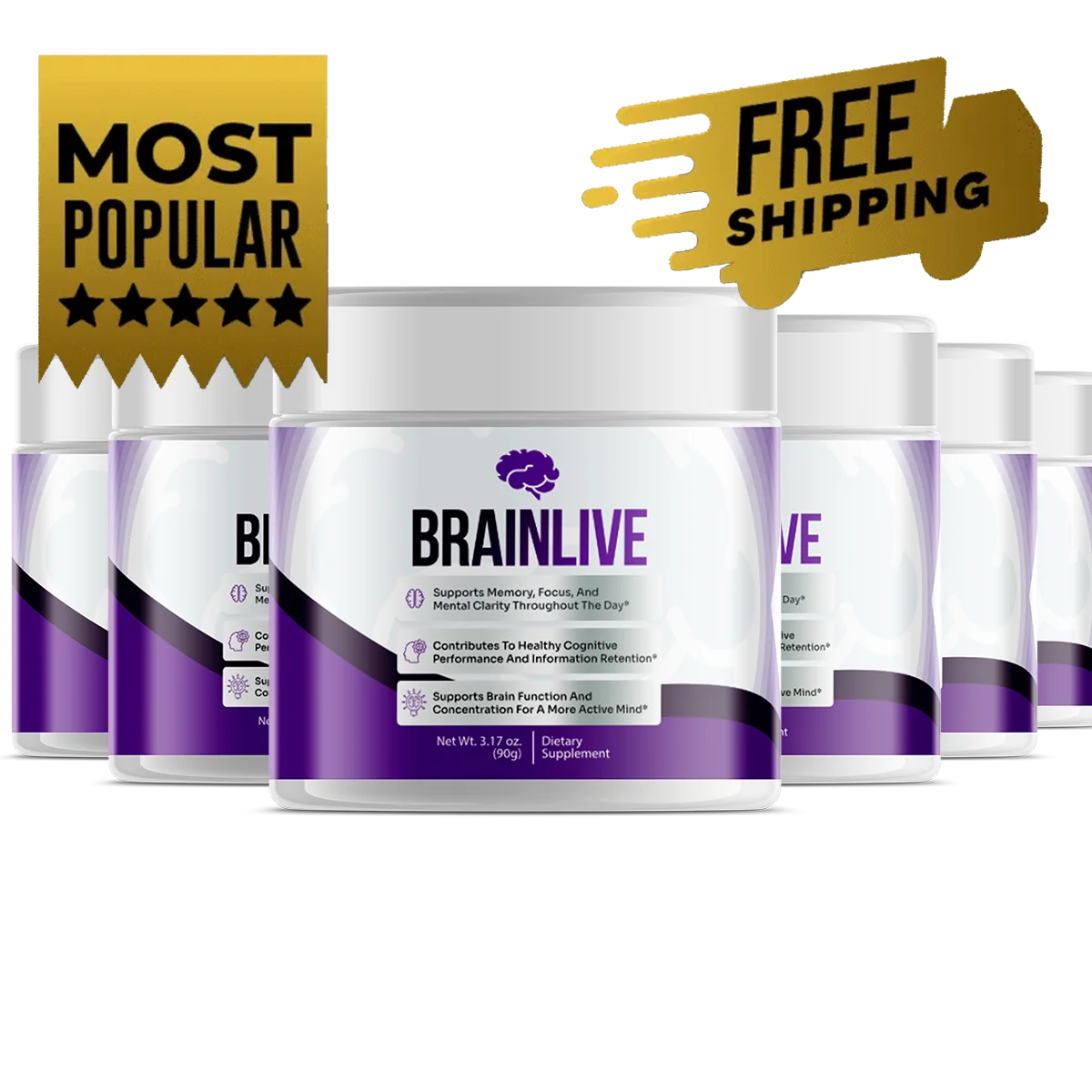
Curious what the fiber-first route looks like?
Brainlive is a once-daily prebiotic-fiber scoop — no live cultures to keep alive, just fibers that feed the microbiome you already have. See what is in every Brainlive scoop and the six-tub best value on the order page.
See what is in every Brainlive scoop →How does prebiotic fiber feed the microbiome?
Prebiotic fiber feeds the microbiome by passing undigested into the large intestine, where resident bacteria ferment it into short-chain fatty acids. This is the mechanism that makes fiber more than a bulk agent. Your small intestine cannot break these fibers down, so they travel intact to the colon, where the bulk of your microbes live. There, fermentation releases butyrate, acetate and propionate — molecules studied as fuel for the cells lining the gut and as signals in the gut-brain dialogue. The effect of dietary fiber on the makeup of the gut microbiota is reviewed by Makki et al., Cell Host & Microbe, 2018.
Why is fiber diversity better than a single strain?
A varied microbiome is generally considered a resilient one, and different fibers feed different species. That is the logic behind blending several fibers rather than relying on one: pea starch, baobab fruit fiber and konjac glucomannan each ferment differently and reach slightly different parts of the gut. Feeding a wide bench of resident microbes is a broader bet than trying to parachute a single new strain into an established ecosystem.
Do you still need probiotic foods?
Fermented foods like yogurt, kefir, kimchi and sauerkraut remain a pleasant, food-first way to encounter live cultures, and there is no need to choose sides. Prebiotic fiber and probiotic foods can work together — a pairing nutritionists call a synbiotic, where the fiber gives any live cultures something to feed on. Brainlive is designed to sit comfortably alongside a fiber-rich, fermented-food-friendly diet rather than replace it.

Why does Brainlive take the prebiotic-fiber route?
Brainlive takes the prebiotic-fiber route because fiber is stable, broadly nourishing, and suited to daily use without the survival problem live cultures face. Rather than shipping bacteria that may or may not arrive alive, Brainlive delivers the food those bacteria thrive on, plus a couple of studied companions — one naturally flavored scoop, taken at the same time each day.
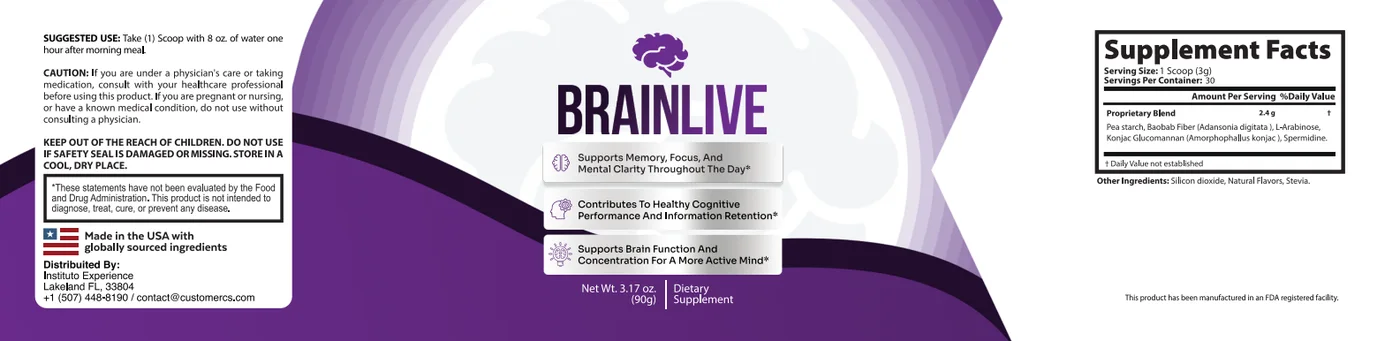
| Ingredient | Type | Why it is in a fiber-first formula |
|---|---|---|
| Pea starch | Resistant starch | A prebiotic fiber that reaches the lower gut, where resident bacteria ferment it. |
| Baobab fiber | Fruit fiber | A traditional African food naturally rich in soluble prebiotic fiber. |
| Konjac glucomannan | Soluble fiber | One of the most studied prebiotic and satiety fibers, long eaten in East Asia. |
| L-arabinose | Plant sugar | Studied for how the body handles dietary carbohydrates and steadier everyday energy. |
| Spermidine | Polyamine | Found in foods like wheat germ; studied for autophagy, the body’s cellular renewal. |
None of these are drugs, and none are claimed to treat any condition — they are food-derived nutrients chosen for a durable, fiber-led approach. You can see the full breakdown in the ingredients section, or compare fibers in detail in our guides to konjac glucomannan and resistant starch.
How do you choose a gut brain supplement?
Choosing a gut brain supplement starts with matching the format to your goal: pick prebiotic fiber for broad, daily nourishment, or a specific probiotic strain if you are chasing a benefit that strain has actually been studied for. Beyond that, a few practical checks separate an honest label from a hopeful one.
- Read the fiber type and amount, not just the word “prebiotic” on the front.
- For probiotics, look for named strains and a CFU count, plus a use-by date — potency fades.
- Favor stability if you want something you will take for months without refrigeration.
- Introduce fiber gradually and drink water, so your gut adapts comfortably.
- Be wary of disease claims — no supplement legitimately treats or cures a condition.
Are there downsides to prebiotic fiber?
The main downside of prebiotic fiber is temporary digestive adjustment: adding fiber too fast can cause gas or bloating while your microbiome adapts. The fix is usually pace, not avoidance — start small, build up over a week or two, and keep hydration up. People with conditions such as IBS can be more sensitive to certain fermentable fibers and should introduce them cautiously and with medical guidance. More is not automatically better; the goal is a comfortable, sustainable daily habit.
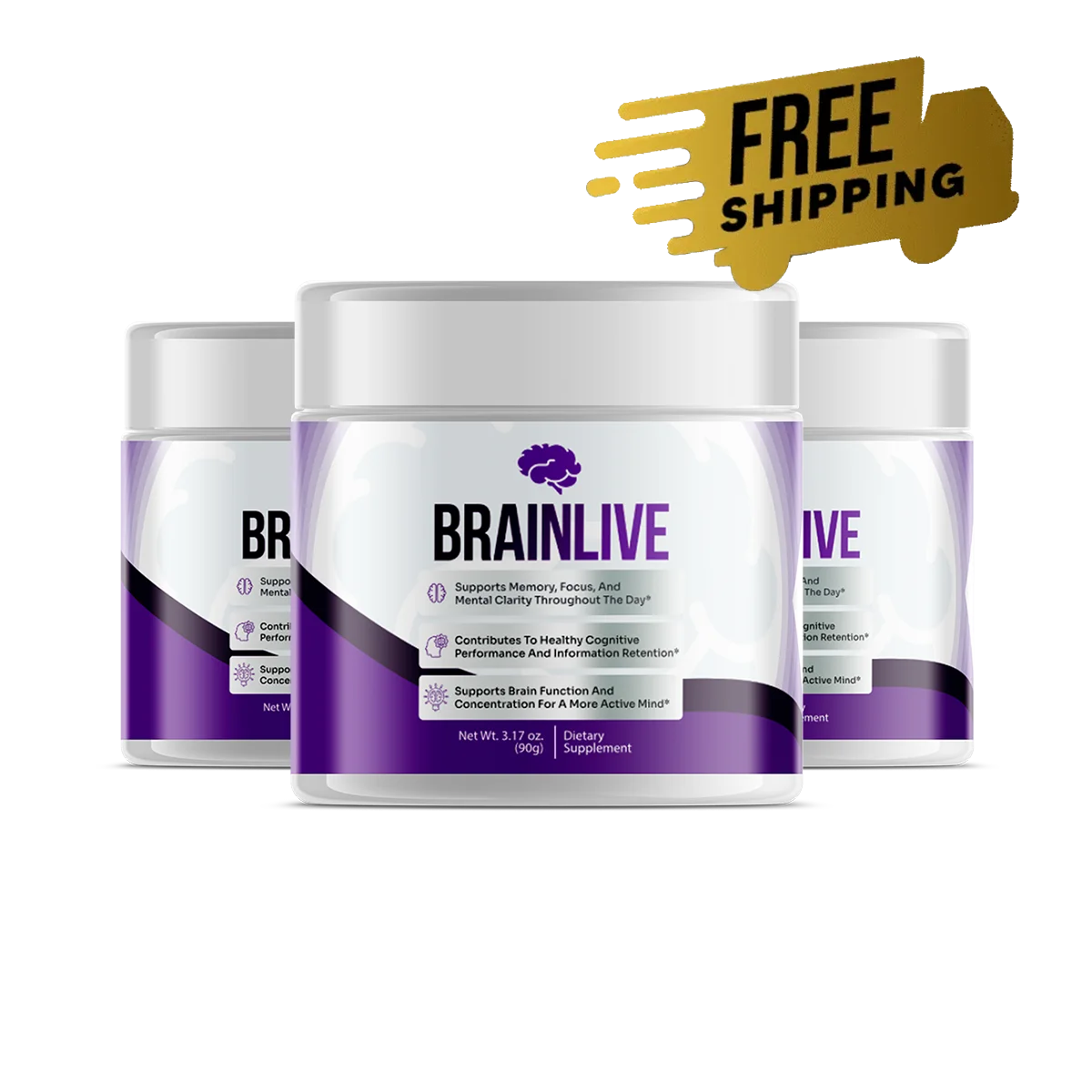
Make fiber a daily habit
Because microbiome changes build gradually, most people choose a multi-month supply so they do not run out mid-routine. Brainlive’s three- and six-tub bundles bring the per-tub price down with free U.S. shipping and a 60-day guarantee.
Check today’s Brainlive pricing →When should you talk to a doctor?
Prebiotic fiber and probiotic foods support an already-healthy gut; they are not a substitute for medical care. Speak with your doctor before starting either if you are pregnant or nursing, under 18, take any medication, or have a diagnosed digestive or immune condition — and see a professional for persistent digestive symptoms or any worsening changes in memory, mood or focus. A short conversation makes sure anything you add fits safely with your care.
Frequently asked questions
What is the difference between prebiotics and probiotics?
Probiotics are live beneficial bacteria you swallow; prebiotics are non-digestible fibers that feed the beneficial bacteria you already have. In short, probiotics add the gardeners while prebiotics are the fertilizer for the garden already growing in your gut.
Are prebiotics or probiotics better for the brain?
Neither is proven to treat any brain condition, and research is still early. That said, prebiotic fibers have the advantage of nourishing your own resident microbes broadly and surviving storage well, which is why many gut-brain formulas, including Brainlive, lead with fiber.
Is Brainlive a probiotic?
No. Brainlive is a prebiotic-fiber drink mix, not a live-bacteria probiotic. It pairs fibers such as pea starch, baobab and konjac glucomannan with L-arabinose and spermidine to feed the microbiome you already have, rather than adding new strains.
Can you take prebiotic fiber and probiotics together?
Yes, and the combination is often called a synbiotic. Prebiotic fiber can give any probiotic strains something to feed on. Introduce each gradually, drink plenty of water, and speak with your doctor if you take medication or have a digestive condition.
How long does prebiotic fiber take to work?
Digestive changes can appear within days as gut bacteria adjust, while broader microbiome shifts usually build over several weeks to a few months of daily use. Brainlive works gradually, and individual results vary.
Are prebiotic fibers safe to take every day?
For most healthy adults, daily prebiotic fiber is well tolerated when introduced slowly with enough water; early gas or bloating usually settles. If you are pregnant, take medication or have a gut condition such as IBS, check with your doctor first.
Try the fiber-first Brainlive risk-free for 60 days →
Brainlive is a dietary supplement, not a treatment for any medical condition. These statements have not been evaluated by the Food and Drug Administration. This product is not intended to diagnose, treat, cure or prevent any disease. Always consult a qualified healthcare professional about your individual needs.
References & further reading
- National Center for Complementary and Integrative Health (NCCIH). Probiotics: What You Need To Know. nccih.nih.gov/health/probiotics-what-you-need-to-know
- National Center for Complementary and Integrative Health (NCCIH). Prebiotics, Probiotics, and the Microbiome. nccih.nih.gov/health/prebiotics-probiotics-and-the-microbiome
- Gibson GR, Hutkins R, Sanders ME, et al. Expert consensus document: the ISAPP consensus statement on the definition and scope of prebiotics. Nature Reviews Gastroenterology & Hepatology, 2017. pubmed.ncbi.nlm.nih.gov/28611480
- Examine.com. Fiber — evidence-based summary. examine.com/supplements/fiber
- Examine.com. Glucomannan (konjac fiber). examine.com/supplements/glucomannan
- Mayo Clinic. Dietary fiber: Essential for a healthy diet. mayoclinic.org/…/fiber/art-20043983
- Hill C, Guarner F, Reid G, et al. Expert consensus document: the ISAPP consensus statement on the scope and appropriate use of the term probiotic. Nature Reviews Gastroenterology & Hepatology, 2014. pubmed.ncbi.nlm.nih.gov/24912386
- Makki K, Deehan EC, Walter J, Bäckhed F. The impact of dietary fiber on gut microbiota in host health and disease. Cell Host & Microbe, 2018. pubmed.ncbi.nlm.nih.gov/29902436
These references describe the ingredients and mechanisms in general terms and do not constitute evidence that any product treats, cures or prevents any condition.
Keep reading: the gut-brain axis explained · the best foods for brain health and memory · back to the Brainlive blog · homepage.