Brain powder vs pills: why Brainlive skips capsules

Updated September 2026 · reviewed by the Brainlive Research Team. We are an independent information resource, not a medical provider, and this article is educational rather than medical advice.
Brain powder vs pills comes down to a simple trade-off: a drink-mix powder can carry a much larger, food-sized dose and mixes into water so there is nothing to swallow, while a capsule offers a fixed, tidy unit that some people find more convenient to carry. For a fiber-forward, once-daily nootropic like Brainlive, the powder format usually wins on dose size, ease of taking, and day-to-day flexibility — and that is exactly why Brainlive is built as a naturally flavored scoop rather than a capsule.
Powder vs capsule supplement, decided in one place.
- The honest verdict
- Neither format is “better” for everyone, but a powder is the more practical choice for gram-sized fiber blends, and a capsule is neater for tiny, milligram-sized doses.
- Absorption
- A dissolved powder is already dispersed in liquid, so it skips the step of a capsule shell breaking down; for slow prebiotic fibers the timing difference is minor.
- Adherence
- People stick with the format that is easiest to take — one flavored drink usually beats swallowing several pills a day.
- Why Brainlive is a scoop
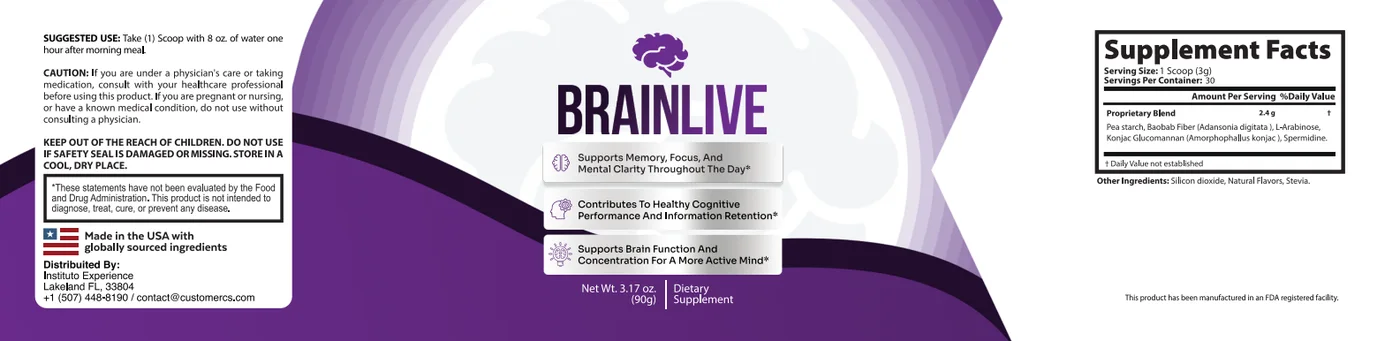
- Its several grams of prebiotic fiber plus L-arabinose and spermidine would take many capsules to match, so one scoop is the sensible delivery.
If you have ever tipped a fistful of capsules into your palm and wondered whether there was a simpler way, you have run straight into the core question of supplement design. The format a formula ships in is not a cosmetic detail; it shapes how big a dose it can hold, how quickly it becomes available, and — most importantly — whether you will actually take it every day. This guide compares drink-mix powders and swallowed capsules across the things that matter, then explains where a formula like Brainlive lands and why.
What is the real difference between brain powder and pills?
The real difference between a brain powder and pills is the container, not the ingredients: a powder is the loose active blend measured by scoop into liquid, while a capsule or tablet is that same class of blend packed into a fixed, swallowable unit. Both can hold identical nutrients; what changes is capacity, convenience and how the dose is released. A capsule shell — usually gelatin or plant cellulose — has to travel to the stomach and dissolve before its contents are freed, whereas a powder stirred into water is already dispersed and ready. That single structural fact drives most of the practical differences that follow, especially once a formula moves from milligram-sized actives to gram-sized fibers.
Does a powder actually absorb better than a capsule?
A powder does not have a magical absorption advantage, but a dissolved powder can become available slightly sooner because it skips the dissolution step a capsule shell requires. For most nutrients the body ultimately absorbs a similar amount from either format; the meaningful gap is in timing and in how large a dose each can realistically deliver. Understanding why means looking at what happens after you take each one.
How do capsules dissolve in the gut?
A capsule is a delivery envelope. After you swallow it, the shell must soften and rupture in the stomach or upper intestine before the powder inside disperses and mixes with digestive fluid. For most healthy people this takes only minutes, and the difference rarely matters. It becomes relevant mainly when a shell is thick, enteric-coated, or when several capsules clump together, which can slow and stagger release.
Why does surface area matter for a powder?
A powder that is already stirred into water arrives pre-dispersed: its particles are spread through the liquid with a large surface area exposed to the gut, so there is no shell to break down and no clumping to unpick. For fast-acting compounds this can shave a little time off availability. For the slow prebiotic fibers at the heart of Brainlive, though, absorption speed is beside the point — those fibers are meant to reach the lower gut intact and feed beneficial bacteria over weeks, a benefit that builds gradually regardless of format.
Which format is easier to stick with day to day?
The best supplement format is the one you will actually take every day, and for most people that is whichever asks the least effort. Adherence — simply remembering and being willing to take a product — is where good intentions are usually won or lost, and it quietly decides whether any formula has a chance to help. A powder that becomes a pleasant morning drink slots into an existing routine, while a large or bitter capsule, or a handful of them, adds friction that erodes consistency over the weeks a gut-focused formula needs.
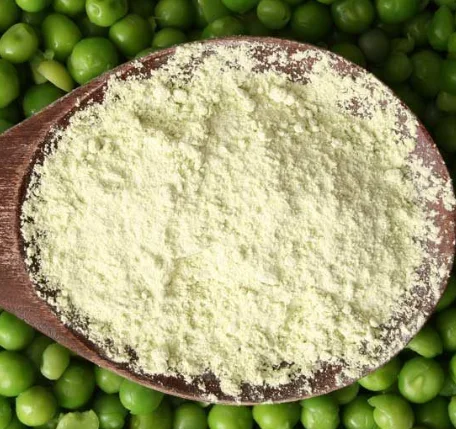
There is a real difference between a chore and a ritual. Swallowing several capsules feels like a task to get through; stirring a naturally flavored scoop into water feels closer to a morning coffee than a medicine. Over a multi-month routine, the format that feels good is the one that survives busy mornings and ordinary forgetfulness.
See what is in every Brainlive scoop
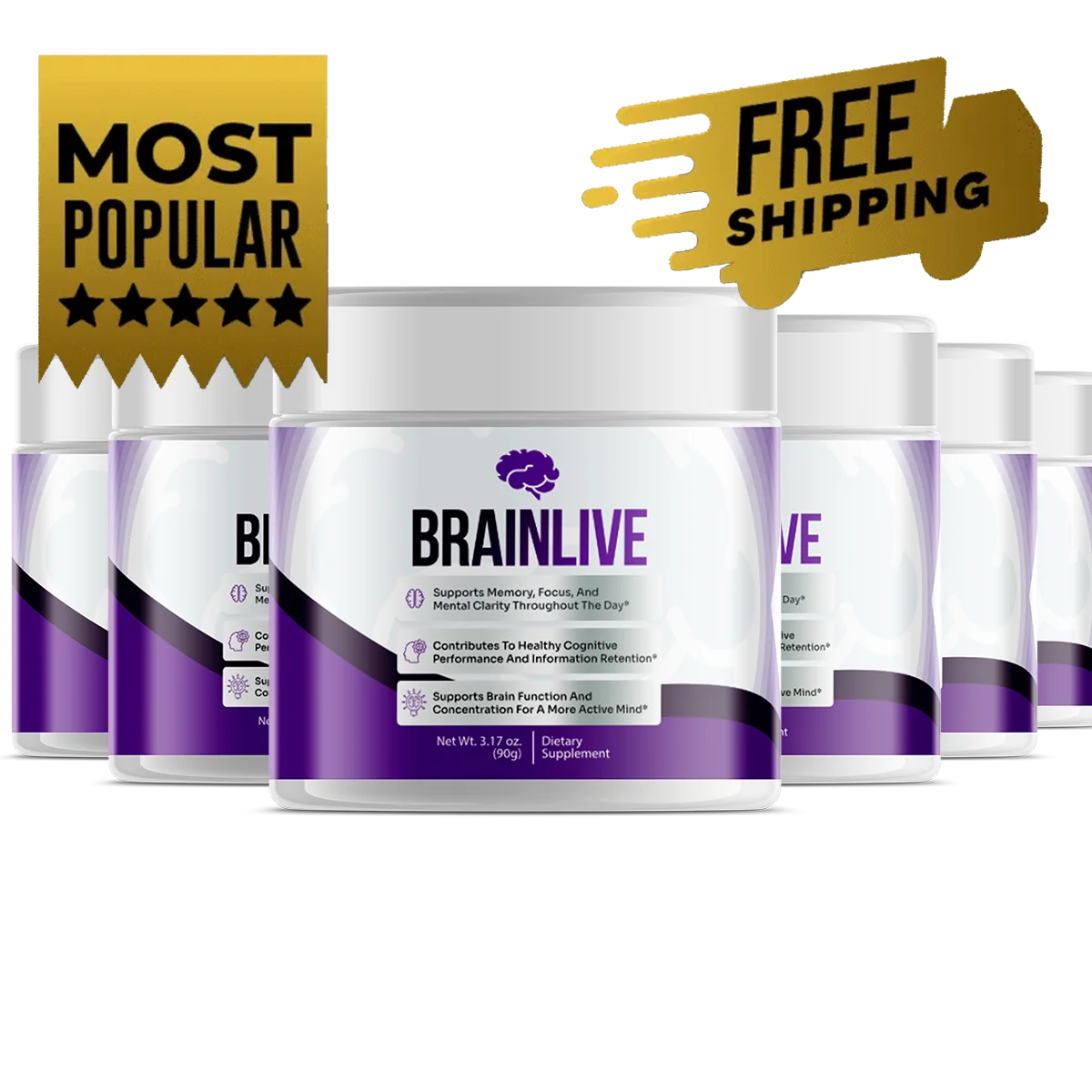
Brainlive delivers its full prebiotic-fiber serving with L-arabinose and spermidine in one naturally flavored scoop — no capsules to count. The six-tub bundle is the best value at $49 per tub, with free U.S. shipping and a 60-day guarantee.
Order Brainlive — from $49/tubHow does dosing flexibility differ between powders and pills?
Dosing flexibility is where powders and pills part ways most clearly: a capsule fixes the dose at whatever the manufacturer sealed inside each unit, while a powder lets you use the included scoop and, within the label’s guidance, adjust to your own preference. For someone who wants a precise, unchanging amount with no measuring, the capsule’s fixed unit is genuinely appealing. For a fiber-forward formula, though, a fixed capsule quickly becomes a limitation — delivering a few grams of fiber would mean swallowing many capsules, and any adjustment would mean counting them up or down one by one.
A leveled scoop solves both problems at once. It carries the full food-sized serving in one measure, and it lets the routine flex without fractions of a pill: a smaller scoop while your gut adjusts in the first week, the full scoop thereafter. That practicality is why a drink mix supplement suits fiber blends so well.
Why is Brainlive built as a once-daily naturally flavored scoop?
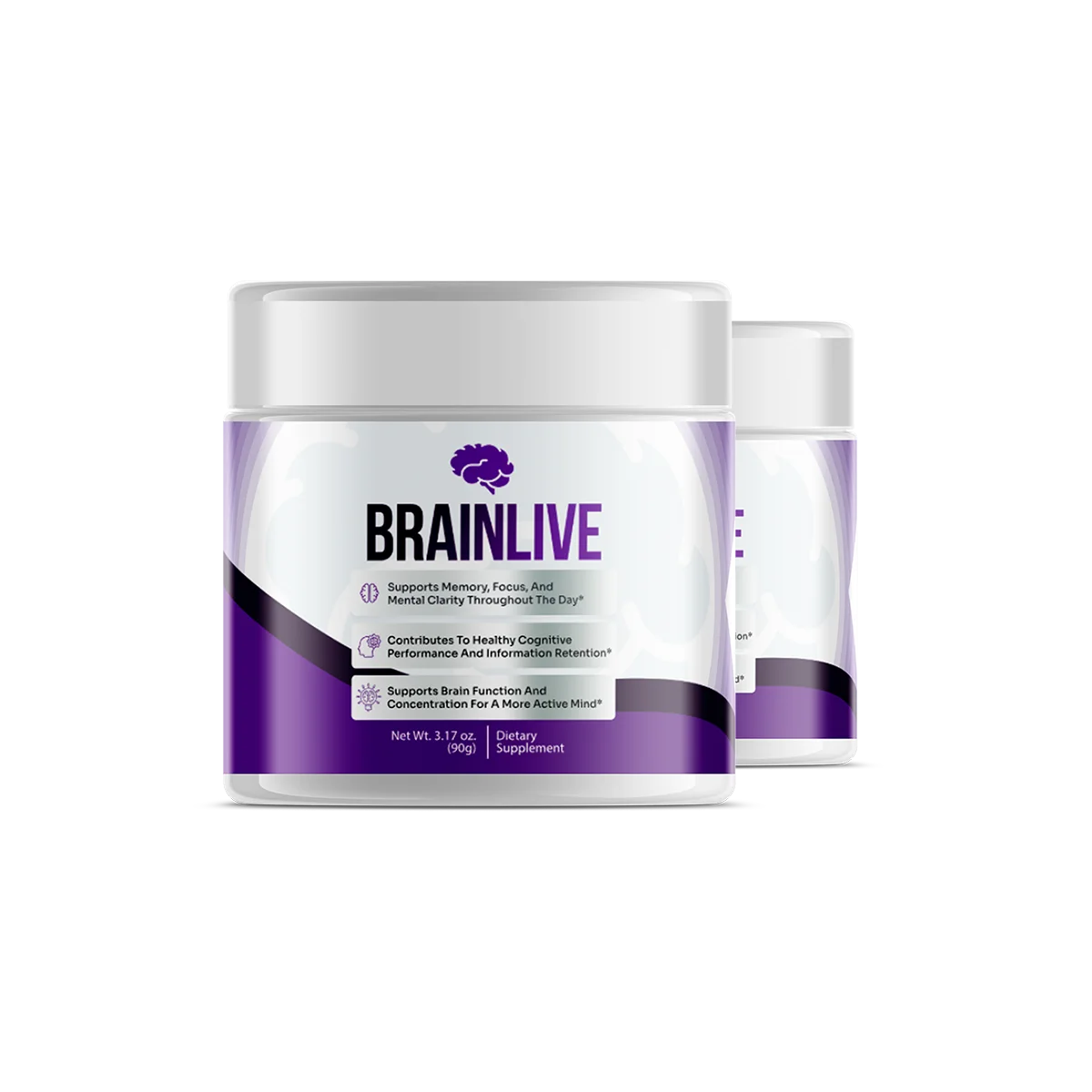
Brainlive is built as a powder because its formula is fundamentally food-sized, not pill-sized. The blend pairs several grams of prebiotic fibers — pea starch, baobab fiber and konjac glucomannan — with L-arabinose and spermidine, and that quantity simply cannot be packed into a sensible number of capsules. Rather than ask you to swallow a dozen pills to reach the intended dose, Brainlive delivers the whole serving in one naturally flavored scoop stirred into water, so the practical answer to the format question was chosen by the ingredients themselves. A controlled human feeding study by Baxter et al., mBio, 2019 tracked how three different fermentable fibers shifted short-chain fatty acid output.
The flavor is not a gimmick either. A bitter, hard-to-mask powder undermines the very adherence a powder is supposed to protect, so a clean natural flavor is part of what keeps the daily habit going. For the mechanism behind those fibers, our guide to the gut-brain axis explains how feeding gut bacteria connects to whole-body wellness, and the homepage ingredients section lists every component in the scoop.
Powder vs pills: a side-by-side comparison
A side-by-side comparison makes the trade-offs concrete: powders lead on dose size, ease of taking and flexibility, while capsules lead on portability and fixed-dose simplicity. Neither column is universally right — the best supplement format depends on what a formula needs to deliver and how a person prefers to take it. The table below weighs the factors that most affect a real daily routine.
| Factor | Drink-mix powder | Capsules / pills |
|---|---|---|
| Dose size | Holds gram-sized, food-scale servings in one scoop | Limited to a few hundred milligrams per unit |
| Ease of taking | Sipped as a flavored drink; nothing to swallow | Requires swallowing, sometimes several at once |
| Availability | Pre-dispersed in liquid, no shell to dissolve | Shell must break down first, usually within minutes |
| Dosing flexibility | Adjustable by scoop within label guidance | Fixed per capsule; adjust only by counting units |
| Portability | Needs water and a moment to mix | Grab-and-go, no liquid required |
| Taste | Naturally flavored, tasted with each sip | Taste largely bypassed by the shell |
Read down the columns and a pattern appears: the powder’s strengths line up almost exactly with what a fiber-forward brain formula needs, while the capsule’s strengths matter most for tiny, travel-friendly doses. That is why format follows function.
Which format suits which kind of supplement?
The right format usually follows the size and speed of the dose: gram-scale fibers and greens belong in a powder, while microgram vitamins and single isolated compounds sit comfortably in a capsule. Rather than declaring one format the winner, it is more useful to match the format to the job. This quick reference sorts common supplement types by the format that tends to serve them best. The mechanisms by which fiber and prebiotics act are summarised by Slavin, Nutrients, 2013. If that is the part you came for, read how to choose a memory supplement next.
| Supplement type | Typical dose | Format that fits |
|---|---|---|
| Prebiotic fiber blends | Several grams | Powder — too large for capsules |
| Greens & whole-food blends | Grams | Powder |
| Nootropic fiber formulas (e.g. Brainlive) | Grams | Powder scoop |
| Single vitamins (D, B12) | Micrograms | Capsule or tablet |
| Isolated herbal extracts | Milligrams | Capsule |
| Fixed-ratio micro-doses | Milligrams | Capsule for tidy precision |
Because gut-focused nutrients build their support gradually, most people choose a multi-month supply so they do not run out mid-routine — you can compare the packages and pricing on the homepage, or read our guide to the best foods for brain health for the whole-diet picture behind the scoop.
Are there honest downsides to choosing a powder?
Yes — a powder is not free of trade-offs, and pretending otherwise would be dishonest. A powder needs water and a moment to mix, so it is less grab-and-go than a pill you can pocket. Its taste is experienced with every sip, which is why natural flavoring matters, and some people simply prefer the precision of a fixed pill. None of these are dealbreakers for a once-daily morning drink, but they are real, and the right choice depends on your own routine rather than on any format being universally superior. Glucomannan has been pooled across human trials in a systematic review and meta-analysis by Sood et al., American Journal of Clinical Nutrition, 2008.
Whichever format you choose, it is worth remembering that a supplement supports an already-healthy lifestyle and is never a treatment for any condition. If you want the fuller habit picture alongside the scoop, our article on improving memory and focus naturally covers the sleep, movement and nutrition levers that matter most.
When should you talk to a doctor?
A supplement, in any format, is for supporting an already-healthy mind — it is not a replacement for medical care. Speak with your doctor before starting Brainlive or any new supplement if you are pregnant or nursing, under 18, take any medication, have a diagnosed condition, or notice persistent or worsening symptoms. A brief conversation makes sure anything you add fits safely with your existing care.
Frequently asked questions
Is a brain powder better than pills?
For fiber-forward nootropic formulas, a powder is usually the more practical format: it holds a larger, food-sized dose than a capsule and mixes into water so there is nothing to swallow. “Better” still depends on the person, but for a once-daily prebiotic scoop like Brainlive the powder wins on dose size, ease and flexibility.
Does powder absorb faster than a capsule?
A dissolved powder is already dispersed in liquid, so it does not have to wait for a capsule shell to break down first, which can make it available a little sooner. For slow-acting prebiotic fibers the difference is minor, because the benefit comes from feeding gut bacteria over weeks rather than from a rapid spike.
Why does Brainlive use a scoop instead of capsules?
Brainlive combines several grams of prebiotic fibers with L-arabinose and spermidine, and that food-sized dose would take many capsules to match. A single naturally flavored scoop delivers the full serving in one drink, which is easier to take consistently than a fistful of pills.
How many capsules would equal one scoop of Brainlive?
A typical capsule holds a few hundred milligrams of powder, while a fiber-forward serving is measured in grams. Matching one scoop could take a dozen or more capsules, which is exactly the swallowing burden the drink-mix format is designed to remove.
Are powders harder to dose accurately than pills?
Pills give a fixed dose per unit, which some people prefer, while a powder lets you use the included scoop or adjust within the label’s guidance. Brainlive ships with a leveled scoop so the once-daily serving stays consistent without counting capsules.
Can I take Brainlive powder if I dislike the taste of supplements?
Brainlive is naturally flavored to mix cleanly into water or a smoothie, which many people find easier than a bitter capsule aftertaste or the effort of swallowing several pills. As with any supplement, individual preferences and results vary.
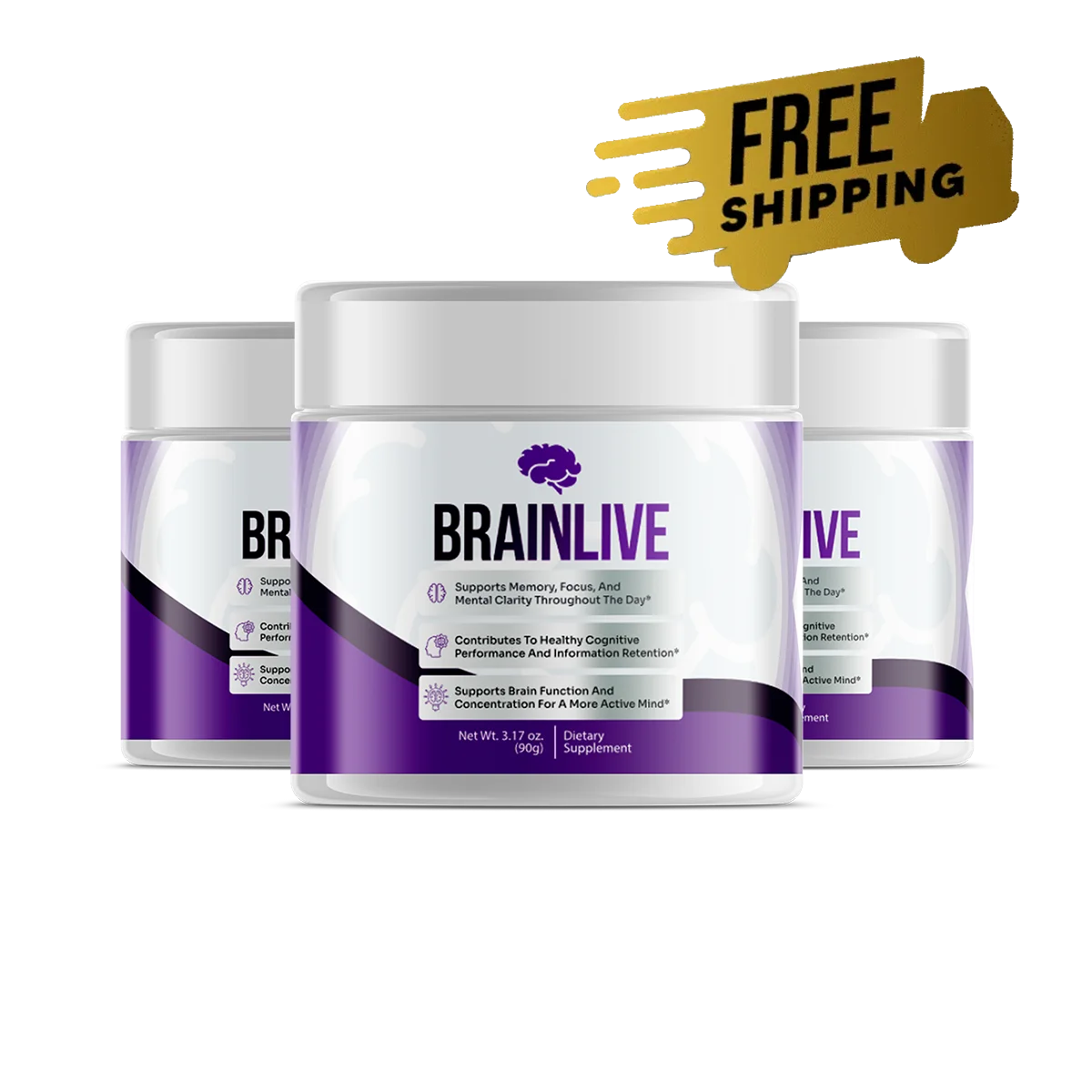
Check today’s Brainlive pricing
Skip the capsule count. One naturally flavored scoop a day delivers the full prebiotic-fiber serving with L-arabinose and spermidine, backed by a 60-day guarantee.
Check today’s Brainlive pricing →Brainlive is a dietary supplement, not a treatment for any medical condition. These statements have not been evaluated by the Food and Drug Administration. This product is not intended to diagnose, treat, cure or prevent any disease. Always consult a qualified healthcare professional about your individual needs.
References & further reading
- National Center for Complementary and Integrative Health (NCCIH). Dietary and Herbal Supplements. nccih.nih.gov/health/dietary-and-herbal-supplements
- National Center for Complementary and Integrative Health (NCCIH). Probiotics: What You Need To Know. nccih.nih.gov/health/probiotics-what-you-need-to-know
- Examine.com. Glucomannan (konjac fiber) — evidence-based summary. examine.com/supplements/glucomannan
- Baxter NT, Schmidt AW, Venkataraman A, et al. Dynamics of human gut microbiota and short-chain fatty acids in response to dietary interventions with three fermentable fibers. mBio, 2019. pubmed.ncbi.nlm.nih.gov/30696735
- Mayo Clinic. Dietary supplements: Do they help or hurt? mayoclinic.org/healthy-lifestyle/nutrition-and-healthy-eating
- Slavin J. Fiber and prebiotics: mechanisms and health benefits. Nutrients, 2013. pubmed.ncbi.nlm.nih.gov/23609775
- Sood N, Baker WL, Coleman CI. Effect of glucomannan on plasma lipid and glucose concentrations, body weight, and blood pressure: systematic review and meta-analysis. American Journal of Clinical Nutrition, 2008. pubmed.ncbi.nlm.nih.gov/18842808
These references describe supplement formats and ingredients in general terms and do not constitute evidence that any product treats, cures or prevents any condition.
Keep reading: the gut-brain axis explained · how to improve memory and focus naturally · the Brainlive review · back to the Brainlive blog.