How to choose the best memory supplement: the Brainlive buyer's guide

Updated September 2026 · reviewed by the Brainlive Research Team. We are an independent information resource, not a medical provider, and this article is educational rather than medical advice. Whether caffeine genuinely counts as a cognitive enhancer is examined by Nehlig, Journal of Alzheimer’s Disease, 2010.
The best memory supplement is one that names every active ingredient and its dose, skips hidden proprietary blends, is made in a third-party-tested facility, fits a format you will actually take each day, and is backed by a real money-back guarantee. Choosing one is less about chasing a miracle claim and more about running a short, honest checklist — and that checklist works alongside, not instead of, the guidance of your doctor.
What separates a trustworthy memory supplement from marketing, in one place.
- The short answer
- Read the label before the sales page: named actives at meaningful doses, transparent sourcing and a genuine refund policy beat any bold promise on the front of the tub.
- Named vs blend
- Prefer per-ingredient doses you can compare to research over a “proprietary blend” that hides how much of each active you truly get.
- Stimulants
- A stimulant-free formula is a steadier daily choice for many people, because high-dose caffeine can disturb the sleep memory relies on.
- Quality signals
- Look for GMP manufacturing, a made-in-USA or equivalent standard, allergen-friendly labeling and a 60-day-or-longer guarantee.
- The catch
- No supplement is a treatment for any disease; the label checklist finds an honest product, not a cure, and results vary.
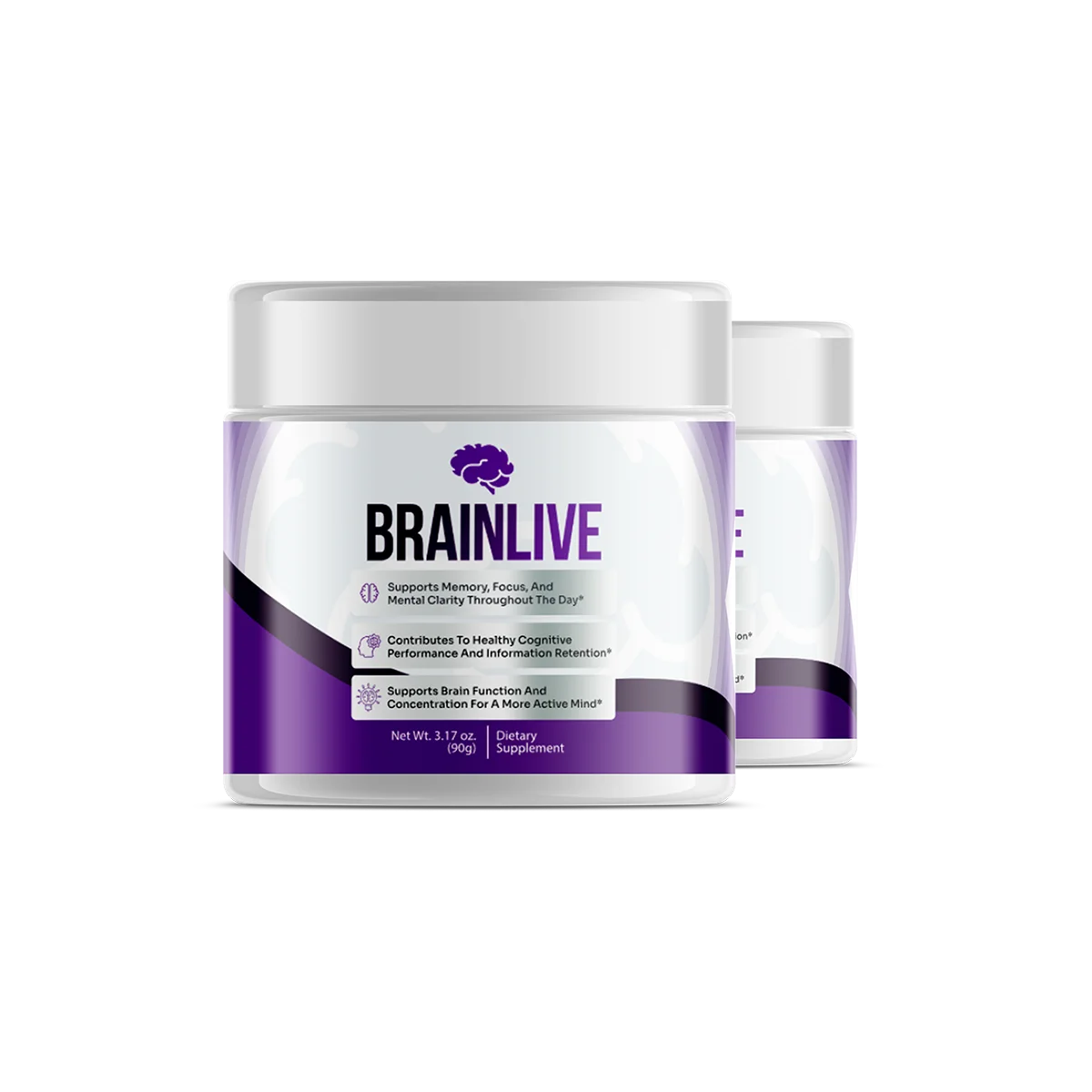
Every memory product seems to promise the same thing: sharper recall, clearer focus, a younger-feeling mind. The labels look similar, the claims sound confident, and the prices swing wildly. This guide gives you a repeatable way to tell them apart, then applies that same checklist to Brainlive so you can see how a real product measures up rather than taking anyone's word for it.
What makes the best memory supplement?
The best memory supplement is defined by transparency and fit, not by the loudness of its claims. In practice that means a label that lists each active with its exact dose, a manufacturing standard you can verify, a format you can stick with, and a refund policy that lets you test it at low risk. Everything else — the hero images, the countdown timers, the “doctor-approved” badges — is decoration. Two principles anchor the checklist: you should see exactly what you are buying, and the product should support good habits rather than pretend to replace them. If that is the part you came for, read the memory boosters that suit seniors next.
Why does the label matter more than the marketing?
The label is the only part of a supplement that is legally accountable; the marketing is not. A front-of-tub promise like “boosts memory” tells you nothing about what is inside or how much, whereas the Supplement Facts panel on the back is where the real product lives. Reading it first — before the testimonials and the discount banners — is the single fastest way to filter a crowded shelf. What formally counts as a prebiotic at all was settled in a consensus statement by Gibson et al., Nature Reviews Gastroenterology & Hepatology, 2017.
Named ingredients vs a proprietary blend
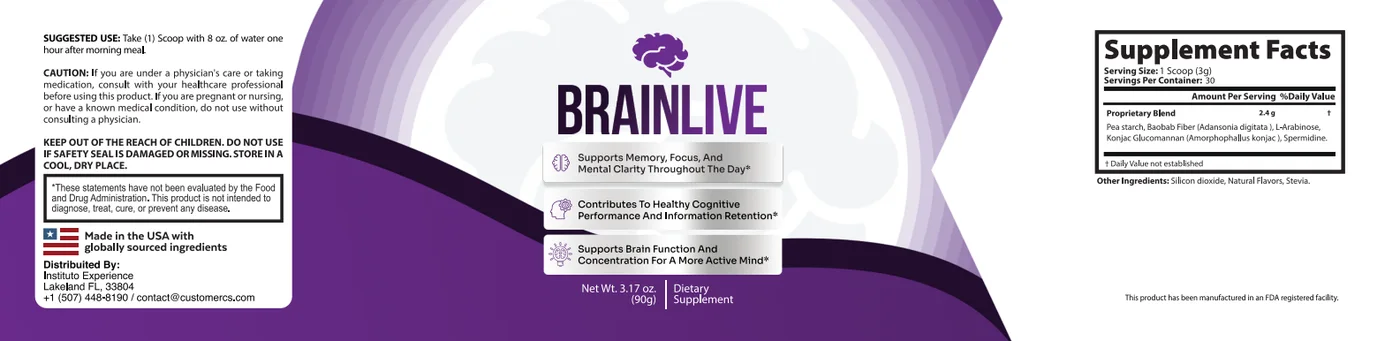
A named ingredient tells you the exact amount you are getting; a proprietary blend hides it. When a label says “Cognitive Blend 1,200 mg” and then lists six ingredients underneath, you have no way to know whether the useful active is 900 mg or 9 mg — the rest could be filler making up the number. Research on nutrients is done at specific doses, so a per-ingredient amount is the only way to check whether a product uses a meaningful quantity or merely a sprinkle for the label. Whenever you can, choose the transparent panel.
Doses you can actually check
A trustworthy label invites comparison. Once you can see, say, how many grams of a prebiotic fiber a scoop delivers, you can hold it against neutral references such as independent ingredient summaries and decide for yourself. If a brand will not tell you the dose, treat the omission as the answer.
The memory supplement checklist
A memory supplement checklist is a short list of yes/no questions you run on any product before buying. Print it, screenshot it, or keep it in your head — the point is to answer the same questions for every tub so you are comparing like with like instead of comparing marketing. There is more on this in our companion piece on whether vitamins for memory work.
| Checklist item | What to look for | Why it matters |
|---|---|---|
| Named actives | Each ingredient listed with its own dose | Lets you compare amounts to research instead of guessing. |
| No hidden blend | No catch-all “proprietary blend” number | Blends can bury a token amount of the useful ingredient. |
| Sensible format | Powder or capsule you will take daily | Consistency is what makes any supplement worthwhile. |
| Stimulant clarity | Caffeine content stated, or clearly stimulant-free | Hidden stimulants can disturb sleep and mask fatigue. |
| Quality standard | GMP facility, made in USA or equivalent | Signals verified manufacturing and cleaner sourcing. |
| Allergen labeling | Gluten-, dairy-, GMO-free noted if relevant | Protects you from ingredients you cannot tolerate. |
| Refund policy | 60-day-or-longer money-back guarantee | Lets you test it at low risk and shows the maker's confidence. |
Should a memory supplement contain stimulants?
A memory supplement does not need stimulants to be useful, and for daily use many people are better served without them. High-dose caffeine can produce a real short-term lift in alertness, but it can also fragment the deep and REM sleep during which the brain consolidates memory — so a formula that leans on stimulants may borrow from tonight's recall to pay for this afternoon's buzz. A stimulant-free formula avoids that trade-off and is a steadier long-term choice, though the right answer depends on your own sensitivity, and results vary. For a deeper look, see our comparison of stimulant nootropics versus stimulant-free formulas.
Powder or pill: which format is better?
The best format is simply the one you will take every day, because a memory supplement only works if it is consistent. Powders let a maker deliver the larger gram-scale doses that fibers require and let you adjust how you mix them; capsules win on portability and on masking taste. Neither is inherently superior — the honest question is which one you will still be using in three months. If you have skipped pills before, a once-daily drink you enjoy may be the more effective choice for you. Our guide to brain powder versus pills weighs both in more detail.
See what is in every Brainlive scoop
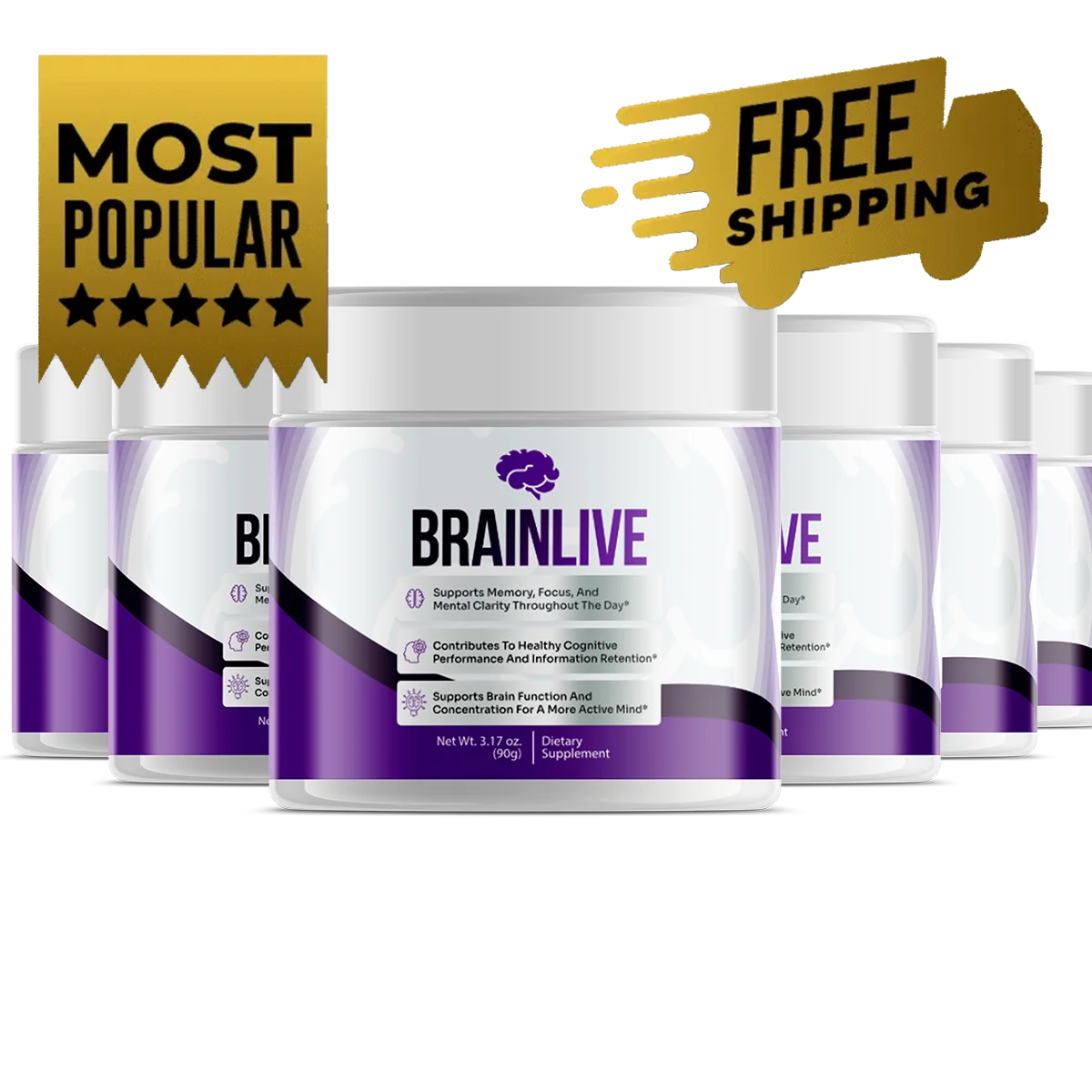
Brainlive lists its actives by name — prebiotic fibers with L-arabinose and spermidine — in one stimulant-free daily scoop. The six-tub bundle is the best value at $49 per tub, with free U.S. shipping and a 60-day guarantee.
Check today's Brainlive pricing — from $49/tubHow do you verify third-party quality and a refund policy?
Quality verification means confirming that a supplement is made and stood behind by people willing to be held to a standard. Look for a GMP-certified facility, a made-in-USA (or comparable) statement, and clear allergen labeling; these signal that manufacturing is controlled rather than improvised. Then read the guarantee itself, not just the badge: a genuine policy states a window — ideally 60 days or longer — and tells you whether opened tubs still qualify. The U.S. Food and Drug Administration reminds shoppers that supplements are not reviewed for effectiveness the way drugs are, which is exactly why an honest label and a real refund window carry so much weight.
How does Brainlive score on the checklist?
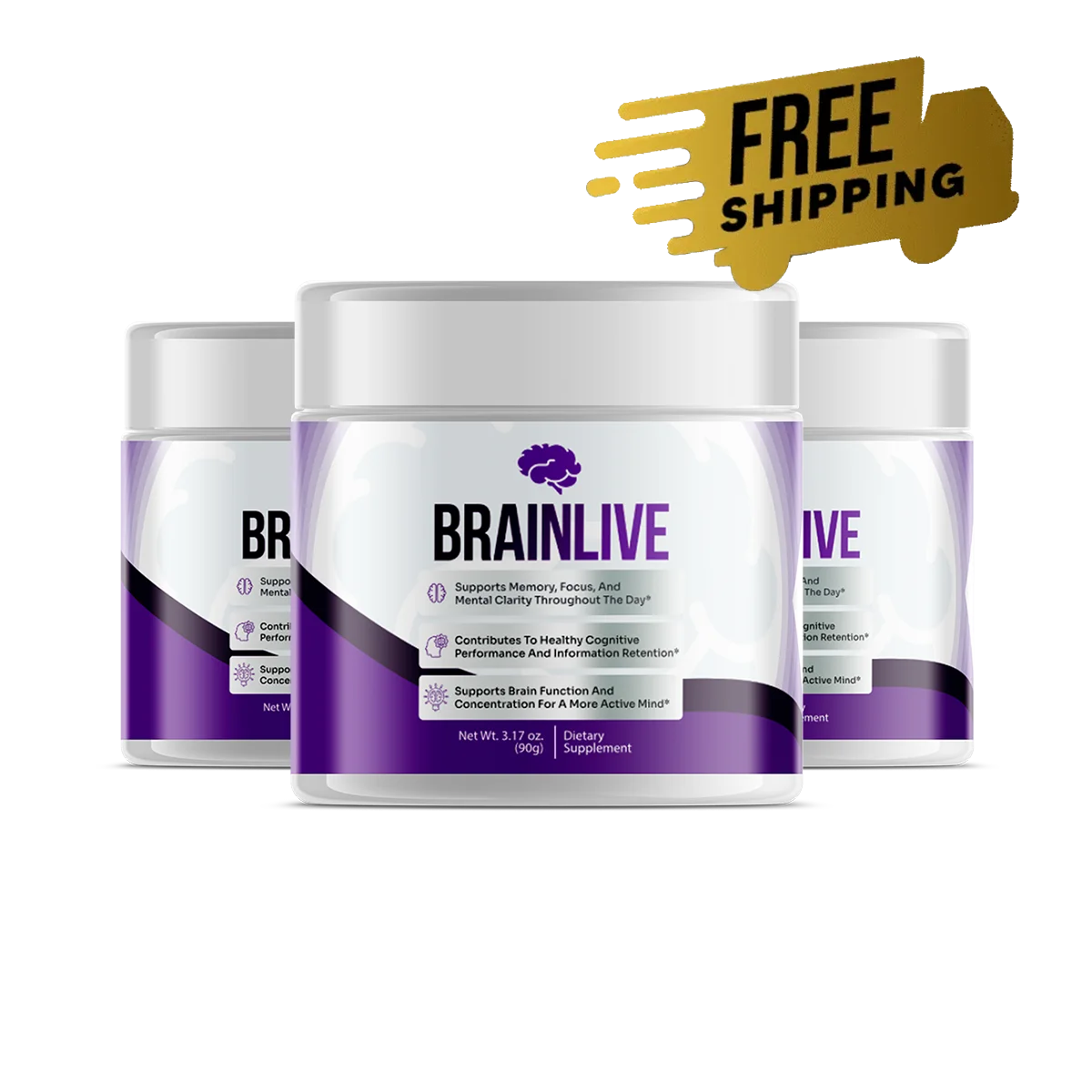
Applying the checklist to Brainlive is the fairest test of any of this: a guide that will not measure its own example is just more marketing. Brainlive is a once-daily powder built on named prebiotic fibers — pea starch, baobab fiber and konjac glucomannan — plus L-arabinose and spermidine, with no stimulants. It is made in the USA in a GMP facility, carries gluten-free, dairy-free and non-GMO labeling, and ships with a 60-day money-back guarantee. Here is how those facts map onto the seven checklist items.
| Checklist item | Brainlive | Notes |
|---|---|---|
| Named actives | Yes | Prebiotic fibers, L-arabinose and spermidine are listed by name on the panel. |
| No hidden blend | Yes | Actives are shown individually rather than pooled into one blend figure. |
| Sensible format | Powder | One naturally flavored scoop stirred into water after breakfast. |
| Stimulant clarity | Stimulant-free | No caffeine or added stimulants, so it will not compete with sleep. |
| Quality standard | GMP, USA | Made in the USA in a GMP-certified facility. |
| Allergen labeling | Yes | Gluten-free, dairy-free and non-GMO on the label. |
| Refund policy | 60 days | 60-day money-back guarantee across all packages. |
Passing a checklist is not the same as being a treatment: Brainlive is a supplement designed to support good habits, not a remedy for any condition, and it works best alongside sleep, movement and a fiber-rich diet. To see the mechanism behind the fibers, read our explainer on the gut-brain axis, or open the full ingredients section on the homepage.
What are the red flags to walk away from?
A red flag is any signal that a product is selling certainty it cannot honestly offer. The clearest ones are disease-cure language (“reverses memory loss,” “prevents dementia”), a proprietary blend with no per-ingredient doses, fake urgency and countdown timers, invented five-star ribbons with no verifiable source, and a refund policy hedged with so many exceptions that it is effectively unusable. None of these prove a scam alone, but each lowers trust — and a product that trips several is easy to skip in favor of one that simply shows you the label. The clearest cautionary example is Ginkgo biloba, which failed to prevent Alzheimer’s disease over five years in the large GuidAge trial reported by Vellas et al., The Lancet Neurology, 2012.
When should you talk to a doctor?
A memory supplement is for supporting an already-healthy mind; it is not a replacement for medical care. Speak with your doctor before starting any supplement if you are pregnant or nursing, under 18, take any medication, have a diagnosed condition, or notice persistent or worsening symptoms such as significant memory loss, confusion or mood changes. A short conversation makes sure anything you add fits safely with the rest of your care.
Frequently asked questions
What makes the best memory supplement?
The best memory supplement lists every active by name and dose, avoids hidden proprietary blends, is made in a third-party-tested facility, and comes with a real money-back guarantee. Fit for your routine and honest labeling matter more than bold marketing claims.
Are named ingredients better than a proprietary blend?
Generally yes. A named, per-ingredient dose lets you compare it to the amounts used in research, while a proprietary blend hides how much of each ingredient you actually get, so you cannot judge whether a dose is meaningful or merely a pinch.
Should a memory supplement contain stimulants?
Not necessarily. Stimulants like high-dose caffeine can sharpen short-term alertness but may disturb the sleep memory depends on. A stimulant-free formula is a steadier daily choice for many people, and results vary.
Is a powder or a pill the better format?
Neither is inherently better; the best format is the one you will take daily. Powders allow larger fiber doses and flexible mixing, while capsules are more portable. Choose for consistency, because a memory supplement only helps if you keep using it.
How important is a money-back guarantee?
Very. A genuine 60-day-or-longer refund policy lets you try a memory supplement at low financial risk and signals that the maker stands behind it. Read the terms so you know whether opened tubs qualify.
How does Brainlive fit this checklist?
Brainlive is a stimulant-free, once-daily powder built on named prebiotic fibers plus L-arabinose and spermidine, made in the USA in a GMP facility and backed by a 60-day guarantee. It is a supplement to good habits, not a treatment for any condition.
See what is in every Brainlive scoop — risk-free for 60 days →
Brainlive is a dietary supplement, not a treatment for any medical condition. These statements have not been evaluated by the Food and Drug Administration. This product is not intended to diagnose, treat, cure or prevent any disease. Always consult a qualified healthcare professional about your individual needs.
References & further reading
- U.S. Food and Drug Administration. Dietary Supplements — what you need to know. fda.gov/food/dietary-supplements
- National Center for Complementary and Integrative Health (NCCIH). Using Dietary Supplements Wisely. nccih.nih.gov/health/using-dietary-supplements-wisely
- National Institutes of Health, Office of Dietary Supplements. Dietary Supplements: What You Need to Know. ods.od.nih.gov/factsheets/WYNTK-Consumer
- Examine.com. Glucomannan (konjac fiber) — evidence-based summary. examine.com/supplements/glucomannan
- Examine.com. Spermidine — evidence-based summary. examine.com/supplements/spermidine
- Mayo Clinic. Memory loss: When to seek help. mayoclinic.org/diseases-conditions/memory-loss
- Gibson GR, Hutkins R, Sanders ME, et al. Expert consensus document: the ISAPP consensus statement on the definition and scope of prebiotics. Nature Reviews Gastroenterology & Hepatology, 2017. pubmed.ncbi.nlm.nih.gov/28611480
- Nehlig A. Is caffeine a cognitive enhancer?. Journal of Alzheimer’s Disease, 2010. pubmed.ncbi.nlm.nih.gov/20182035
- Vellas B, Coley N, Ousset PJ, et al. Long-term use of standardised Ginkgo biloba extract for the prevention of Alzheimer’s disease (GuidAge): a randomised placebo-controlled trial. The Lancet Neurology, 2012. pubmed.ncbi.nlm.nih.gov/22959217
These references describe supplement selection, ingredients and general use and do not constitute evidence that any product treats, cures or prevents any condition.
Keep reading: the full Brainlive review · stimulant vs stimulant-free nootropics · brain powder vs pills · back to the Brainlive blog.