Stimulant-free nootropics vs Brainlive: the calm approach to focus

Updated September 2026 · reviewed by the Brainlive Research Team. We are an independent information resource, not a medical provider, and this article is educational rather than medical advice.
Stimulant-free nootropics are focus supplements that work without caffeine or other stimulants, so they aim for a steady baseline instead of a sharp peak followed by a crash. That is the lane Brainlive sits in: a caffeine-free, jitter-free gut-brain formula built for daily use rather than a fast, borrowed high.
Stimulant vs stimulant-free focus, honestly compared.
- The core difference
- Stimulants push the nervous system harder for a fast lift; stimulant-free nootropics support focus indirectly, without a crash to pay back.
- What jitter-free means
- No racing heart, no shakiness and no 3 p.m. slump — the trade is a subtler, slower-building effect.
- Where Brainlive fits
- A caffeine-free scoop of prebiotic fibers, L-arabinose and spermidine that works through the gut-brain axis.
- The honest caveat
- No supplement, stimulant or not, replaces sleep, food and movement — and the calm approach rewards patience.
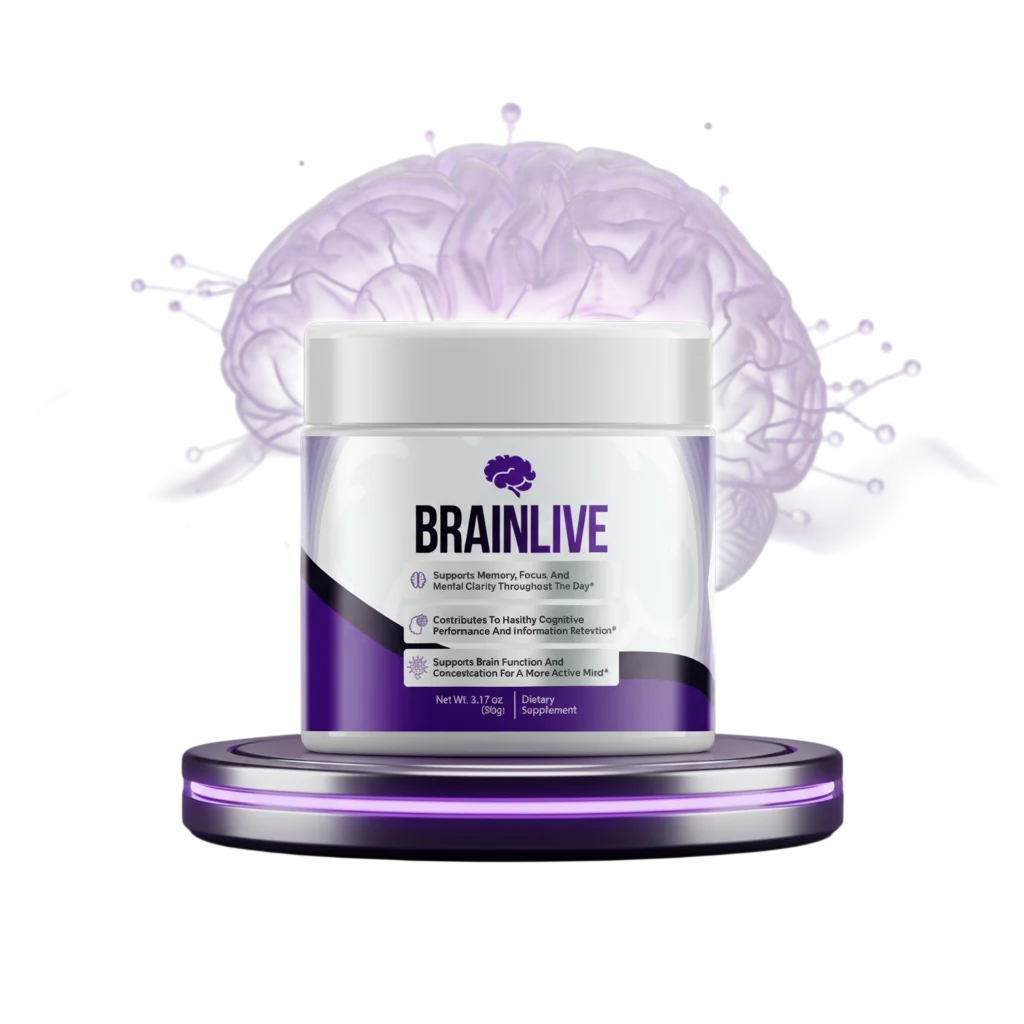
Most focus supplements sell the same feeling: a quick, unmistakable lift, usually caffeine. It works — and then it wears off. This article compares the stimulant route with the stimulant-free one on the terms that matter over a week of real work: jitters, crashes and whether you can sustain it daily. We name no rival brands; we look at the mechanisms, and where a caffeine-free option like Brainlive fits.
What are stimulant-free nootropics?
Stimulant-free nootropics are cognitive supplements that aim to support focus, memory or mental energy without caffeine, synephrine or other nervous-system stimulants. Rather than forcing an immediate rise in alertness, they lean on nutrients, adaptogenic plants, amino acids or gut-brain pathways — effects that tend to be quieter, slower to build, and free of the peak-and-crash pattern stimulants are known for. There is more on this in our companion piece on what nootropics actually are.
How do stimulant nootropics work?
A stimulant nootropic works by directly raising arousal in the nervous system. Caffeine, the most common example, blocks adenosine — the molecule that accumulates through the day and makes you feel sleepy. With that brake muted, you feel more alert, more quickly. The effect is real, fast and easy to notice, which is why stimulants dominate the category and are so easy to over-rely on. Whether caffeine genuinely counts as a cognitive enhancer is examined by Nehlig, Journal of Alzheimer’s Disease, 2010.
Why do stimulants cause jitters and crashes?
The jitters and the crash are two sides of the same borrowed energy. Push arousal up sharply and some people feel it as a racing heart, restlessness or shaky hands at the top of the curve. When the dose clears, the adenosine you were ignoring is still there, waiting — so alertness can drop below where it started, felt as the familiar mid-afternoon slump. Tolerance then nudges the dose upward, which is how a morning coffee quietly becomes three.
Stimulant vs stimulant-free: how do they compare?
The clearest way to weigh the two approaches is side by side, on the dimensions you actually feel. Neither column is universally "better" — they optimize for different things, and the right choice depends on what you value over a full day and week.
| Dimension | Stimulant nootropics | Stimulant-free nootropics |
|---|---|---|
| Onset | Fast — often within 30–60 minutes | Gradual — often builds over days to weeks |
| Peak feel | Obvious lift; can tip into jitters | Subtle, steady; no sharp spike |
| Afternoon | Risk of a crash as the dose clears | No crash to pay back |
| Tolerance | Can build, nudging the dose up | Not driven by a tolerance spiral |
| Sleep impact | Late doses may disturb sleep | Caffeine-free; timing is flexible |
| Best for | An acute, one-off push | A sustainable daily baseline |
Read the table as a set of trade-offs, not a scoreboard. If you need to be sharp for the next two hours and then forget about it, a stimulant is hard to beat. If you want something you can take every morning for months without chasing a bigger dose, the stimulant-free column is where you look.
Where does Brainlive fit as a non-stimulant brain supplement?
Brainlive is a stimulant-free, caffeine-free brain supplement that works through the gut-brain axis rather than by stimulating the nervous system. Instead of blocking adenosine for a quick lift, it feeds the beneficial gut bacteria that form one end of the two-way link between gut and brain, then leaves the timing entirely up to you — morning, midday or alongside your existing coffee.
What is in Brainlive instead of caffeine?
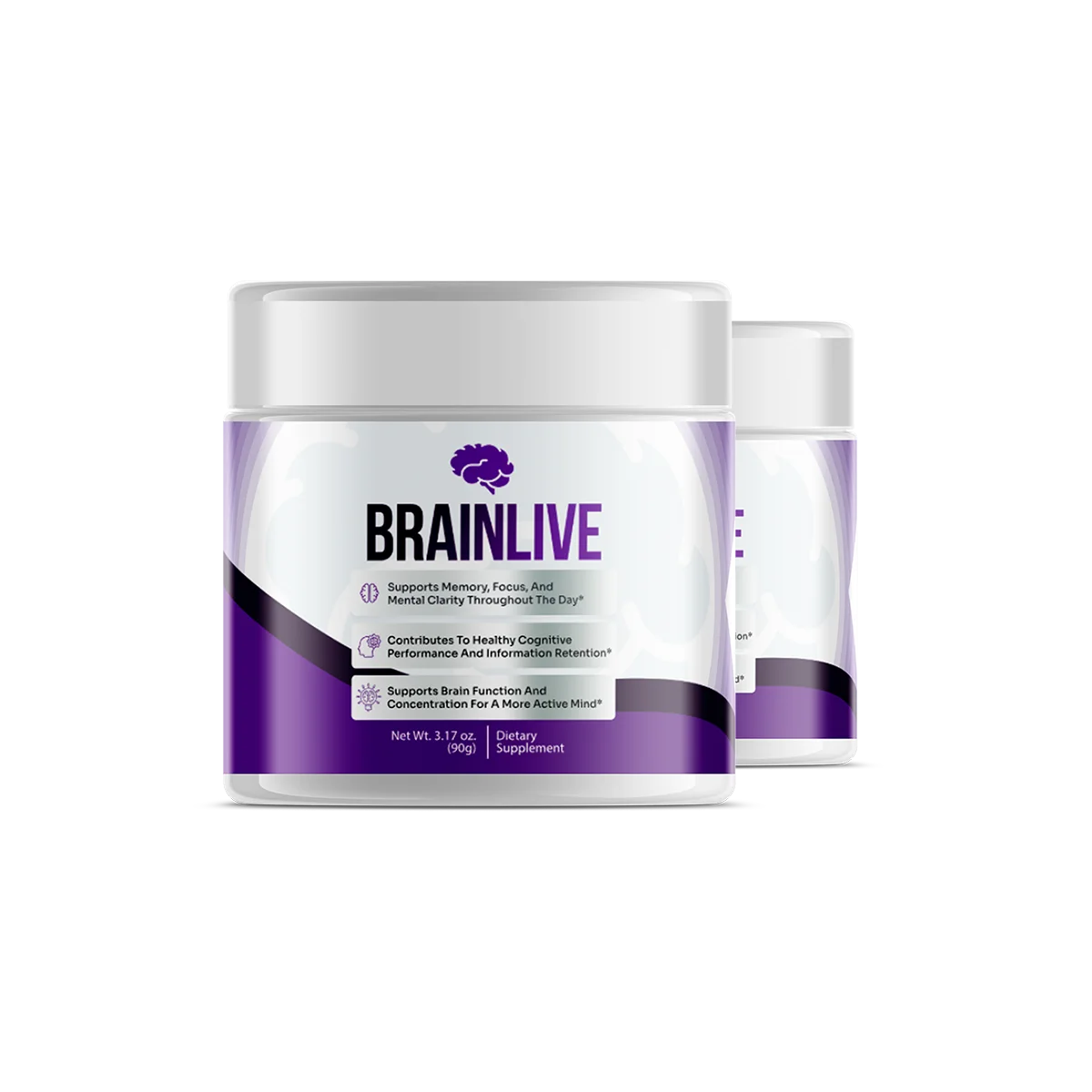
Where a stimulant blend leads with caffeine, Brainlive leads with fiber. Its scoop combines prebiotic fibers with L-arabinose, a plant sugar studied for how it interacts with everyday sugar, and spermidine, a naturally occurring polyamine researchers have looked at for its role in cellular renewal. None of those are stimulants. That is the point: the mechanism is nutritional and microbial, not a jolt to your nervous system, which is why it carries no jitters and no crash to manage. You can see the full panel on the ingredients section of the review.
Focus without the caffeine load
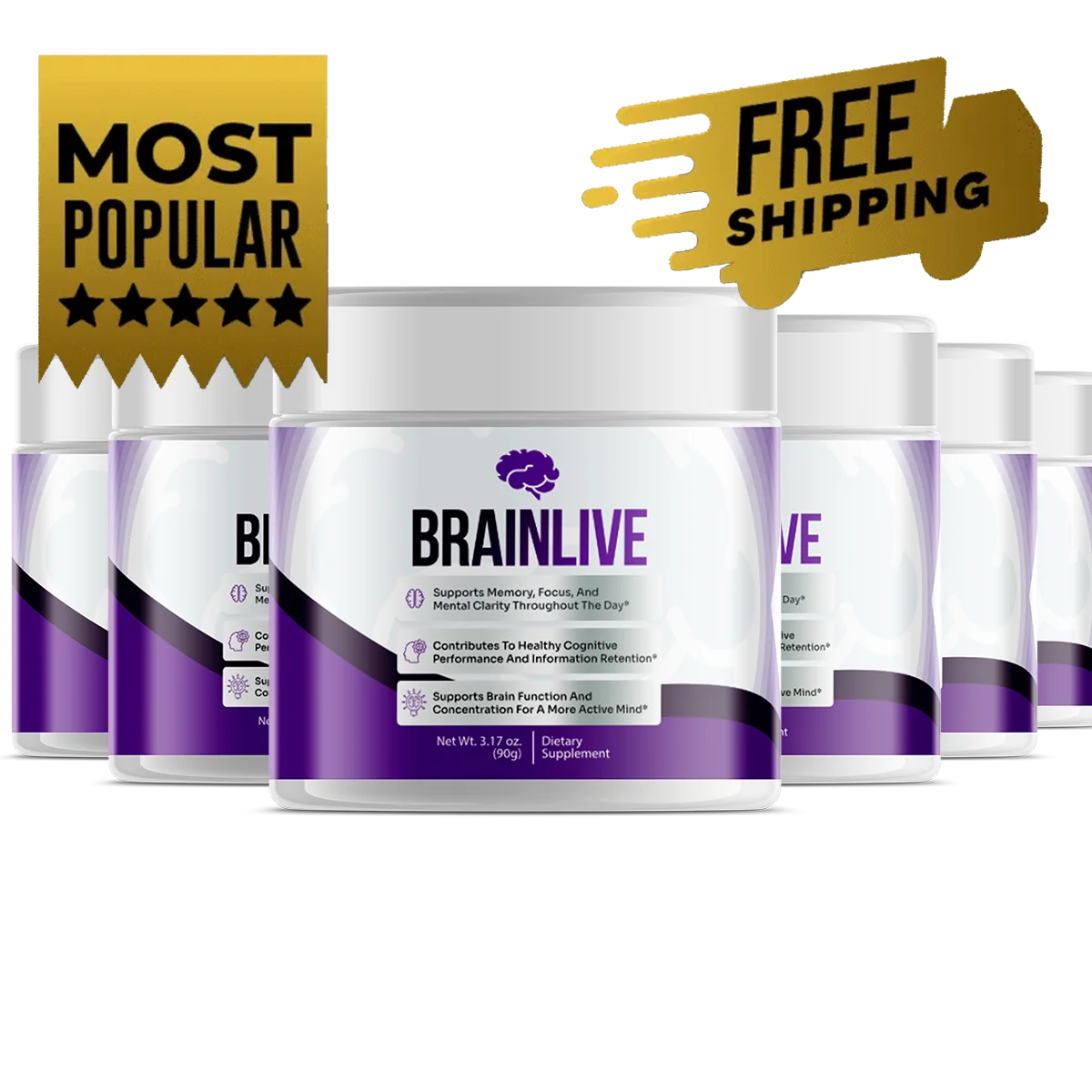
If the peak-and-crash cycle has worn thin, see the exact dose in Brainlive: a once-daily, stimulant-free scoop of prebiotic fibers, L-arabinose and spermidine. The six-tub bundle is the best value at $49 per tub, with free U.S. shipping and a 60-day guarantee.
Check today's Brainlive pricing — from $49/tubIs jitter-free focus actually better for daily use?
Jitter-free focus is the practical advantage of skipping stimulants: a calmer, more even baseline you can rely on without side effects that fight your workday. The catch is that "calm" is easy to under-notice. A stimulant announces itself; a stimulant-free approach shows up as the absence of a problem — no shakiness, no crash, no anxious edge — a subtler thing to feel and to credit. The caffeine-plus-L-theanine pairing was tested on cognitive performance and mood by Owen et al., Nutritional Neuroscience, 2008.
That is why sustainability, not peak intensity, is the honest yardstick for a caffeine-free option, as the two approaches play out across a single day.
| Time of day | Stimulant-led routine | Stimulant-free routine |
|---|---|---|
| Morning | Sharp lift shortly after the dose | A steady start; no spike to ride |
| Late morning | Peak focus, sometimes with an edge | Even, unremarkable concentration |
| Early afternoon | Dip as the dose clears; a top-up tempts | Same baseline, no dip to fix |
| Evening | Late doses can disturb sleep | No caffeine to keep you up |
| Over weeks | Tolerance may nudge the dose up | Consistent, no dose creep |
For a one-off deadline, the left column wins. For the ordinary rhythm of most weeks — work, sleep, repeat — the right column is the one you can keep. Our guide to improving memory and focus naturally covers the habits that make either approach work better.
Who should consider a caffeine-free nootropic?
A caffeine-free nootropic makes the most sense for anyone who already gets enough stimulation elsewhere, or who reacts poorly to more. That includes heavy coffee drinkers who do not want to add to their caffeine load, people prone to anxiety or a racing heart, shift workers and late-day thinkers who cannot risk their sleep, and anyone tired of the peak-and-crash cycle.
Stimulants still have their place. If you rarely use caffeine and mainly want an occasional push, a measured cup of coffee is cheap and effective. The stimulant-free route is about a different goal: a sustainable baseline you do not have to keep re-earning.
What does the evidence actually say?
The honest state of the evidence is that it is stronger for the general habits than for any single "focus" pill. Caffeine's short-term effect on alertness is well documented. The research on prebiotic fiber and the gut-brain axis is genuinely promising but younger, much of it early-stage rather than large human trials on focus itself. Spermidine and L-arabinose are studied for cellular renewal and sugar metabolism — interesting mechanisms, not proof that a supplement sharpens thinking. The pathways that carry that traffic — the vagus nerve, immune signalling, microbial metabolites and hormones — are mapped in detail in a major review by Cryan et al., Physiological Reviews, 2019.
So the fair framing is this: a stimulant-free formula like Brainlive is a reasonable, well-tolerated daily habit built on plausible biology, not a clinically proven cognitive enhancer. Anyone promising a dramatic, guaranteed brain boost — from any bottle, stimulant or not — is ahead of the science. Treat these products as one small input alongside sleep, diet and exercise.
How do you switch from stimulants to a calm nootropic?
Switching from a stimulant habit to a calm nootropic works best as a gradual overlap rather than a hard stop. You do not have to quit coffee to try a caffeine-free approach — because Brainlive adds no stimulants of its own, the two coexist comfortably, and many people simply run them side by side while they taper the caffeine at their own pace.
A simple on-ramp: keep your usual coffee for the first week and add one daily scoop of a stimulant-free formula to feel the baseline it builds. In the following weeks, trim the caffeine gradually — a smaller morning cup, no afternoon top-up — and notice whether the crashes fade. Give it three to four weeks before judging; the calm approach rewards patience. For a fuller picture of the formula, read our Brainlive review.
See what is in every Brainlive scoop →
Frequently asked questions
What are stimulant-free nootropics?
Stimulant-free nootropics are focus supplements that work without caffeine or other stimulants. Instead of pushing the nervous system harder, they support focus indirectly through nutrients, adaptogens or gut-brain pathways, so there is no jittery peak and no afternoon crash.
Is a caffeine-free nootropic as effective as a stimulant one?
They feel different rather than simply weaker. A stimulant delivers a fast, obvious lift you can crash off; a caffeine-free approach tends to feel like a steadier baseline that builds over days and weeks. Neither is a substitute for sleep, food and movement.
Does Brainlive contain any caffeine or stimulants?
No. Brainlive is a stimulant-free, caffeine-free drink mix built on prebiotic fibers, L-arabinose and spermidine. It works through the gut-brain axis rather than by stimulating the nervous system, so it can be taken at any time of day.
Why do stimulant nootropics cause jitters and crashes?
Stimulants such as caffeine temporarily raise alertness by blocking the brain's sleepiness signals. When the dose peaks and then wears off, that borrowed alertness is repaid, which many people feel as jitters at the top and a slump a few hours later.
Can I take a stimulant-free nootropic every day?
Daily use is the whole point of a non-stimulant brain supplement, because there is no tolerance spiral or crash to manage. Brainlive is designed as a once-daily scoop. As with any supplement, check with your doctor if you are pregnant, nursing or on medication.
Can I combine coffee with a stimulant-free nootropic?
Yes. Because Brainlive contains no stimulants of its own, it does not add to your caffeine load, so your usual morning coffee stays exactly as it is. Many people use the two together and simply let the coffee do the stimulating.
Try Brainlive risk-free for 60 days →
Brainlive is a dietary supplement, not a treatment for any medical condition. These statements have not been evaluated by the Food and Drug Administration. This product is not intended to diagnose, treat, cure or prevent any disease. Always consult a qualified healthcare professional about your individual needs.
References & further reading
- National Center for Complementary and Integrative Health (NCCIH). Energy Drinks. nccih.nih.gov/health/energy-drinks
- MedlinePlus, U.S. National Library of Medicine. Caffeine. medlineplus.gov/caffeine.html
- Mayo Clinic. Caffeine: How much is too much? mayoclinic.org/…/caffeine/art-20045678
- Examine.com. Caffeine. examine.com/supplements/caffeine
- Cryan JF, O’Riordan KJ, Cowan CSM, et al. The Microbiota-Gut-Brain Axis. Physiological Reviews, 2019. pubmed.ncbi.nlm.nih.gov/31460832
- Examine.com. Spermidine. examine.com/supplements/spermidine
- Nehlig A. Is caffeine a cognitive enhancer?. Journal of Alzheimer’s Disease, 2010. pubmed.ncbi.nlm.nih.gov/20182035
- Owen GN, Parnell H, De Bruin EA, Rycroft JA. The combined effects of L-theanine and caffeine on cognitive performance and mood. Nutritional Neuroscience, 2008. pubmed.ncbi.nlm.nih.gov/18681988
These references describe the ingredients and habits in general terms and do not constitute evidence that any product treats, cures or prevents any condition.
Keep reading: how to improve memory and focus naturally · the gut-brain axis explained · back to the Brainlive blog · homepage.