L-arabinose benefits in Brainlive: how the plant sugar works

Updated September 2026 · reviewed by the Brainlive Research Team. We are an independent information resource, not a medical provider, and this article is educational rather than medical advice.
L-arabinose is a naturally occurring plant sugar — a five-carbon pentose found in the fibers, gums and pectins of everyday fruits, grains and vegetables — that is studied for how it influences the way the body handles dietary carbohydrates. In Brainlive it sits beside the prebiotic fibers, included for its supporting role in a smoother sugar curve and steadier everyday energy, rather than as a treatment for anything.
What L-arabinose is, and why it earns a place in Brainlive.
- What it is
- A plant-derived pentose sugar from the cell walls of fruits, grains and vegetables — poorly absorbed, unlike table sugar.
- What it does
- In small studies it gently slows the gut enzyme that breaks down table sugar, which can soften the post-meal glucose spike.
- Why energy feels steadier
- A smaller spike means a smaller slump afterwards, which is the mechanism behind its link to steadier everyday energy.
- Where it fits
- It is one supporting nutrient alongside Brainlive’s prebiotic fibers and spermidine — a complement to good habits, not a medicine.
If you have ever felt bright after a sweet snack only to crash an hour later, you have felt carbohydrate metabolism in action. L-arabinose is one of the quieter ingredients studied for softening that curve, and one reason a formula like Brainlive pairs prebiotic fibers with a plant sugar most people have never heard of. This guide explains what L-arabinose is, how it works, and where it fits in a daily routine.
What is L-arabinose, exactly?
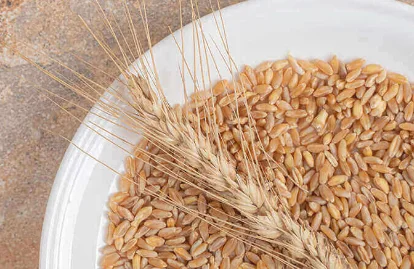
L-arabinose is a five-carbon plant sugar, technically a pentose, that forms part of the structural fibers of plants rather than their sweet, energy-dense pulp. It is a building block of hemicellulose, arabinoxylans and pectin — the fibrous scaffolding you find in the bran of grains, the skins of fruits, gum arabic and root vegetables. Because humans lack the machinery to absorb it efficiently, most L-arabinose passes through with very little entering the bloodstream as fuel. It is classed as a sugar chemically, yet it behaves far more like a fiber than like the glucose or sucrose that spikes your blood sugar.
Where does L-arabinose come from in the diet?
L-arabinose is one of the most abundant plant sugars on Earth, second only to glucose among the sugars locked inside plant cell walls. You already eat small amounts of it every day: in whole grains and their bran, in the pectin of apples and citrus, in beets and other roots, and in traditional plant gums such as gum arabic. Food-grade L-arabinose used in supplements is typically extracted from these plant fibers, so what ends up in a scoop of Brainlive is the same molecule your body meets in a fiber-rich meal — simply in a measured, consistent dose.
| Property | L-arabinose | Table sugar (sucrose) |
|---|---|---|
| Type | Pentose (5-carbon) plant sugar | Disaccharide (glucose + fructose) |
| Main dietary source | Plant cell-wall fiber, pectin, gums | Cane and beet, added to foods |
| Absorption | Poorly absorbed; mostly acts in the gut | Rapidly absorbed as glucose |
| Effect on blood sugar | Studied for softening the sucrose spike | Drives a sharp post-meal spike |
| Usable calories | Very few | About 4 kcal per gram |
How does L-arabinose work in carbohydrate metabolism?
L-arabinose works by selectively and partially slowing sucrase, the intestinal enzyme that splits table sugar into the glucose and fructose your body can absorb. When you eat something sweet, sucrase normally cleaves the sucrose almost instantly so the glucose can rush into the blood — the familiar spike. Laboratory and small human studies suggest that L-arabinose slots into that enzyme and gently blunts its activity, so a portion of the sucrose is broken down more slowly. Two things follow from that single mechanism. A dose-response study in humans by Krog-Mikkelsen et al., American Journal of Clinical Nutrition, 2011 measured how much L-arabinose is needed to blunt the rise in blood glucose after a sucrose load.
What happens to blood sugar after a meal?
Because some of the sucrose is digested more gradually, research has observed a smaller and flatter rise in blood glucose after a sugary meal when L-arabinose is present, compared with the same meal alone. The peak is lower and the descent is gentler. This is the most-studied and best-supported effect of L-arabinose, though the human trials are small and short, so it is best described as promising rather than proven. The sucrase-inhibiting effect itself was first characterised by Seri et al., Metabolism, 1996.
What happens to the sugar that is not absorbed?
The sucrose that is not split in the small intestine travels onward to the colon, where the resident bacteria ferment it — much as they ferment the prebiotic fibers in Brainlive. That is part of why L-arabinose is grouped with the gut-focused ingredients: it hands a little extra food to the microbiome downstream, joining the same gut-brain axis conversation the fibers support.
What are the benefits of L-arabinose?
The headline L-arabinose benefits reported in the research all trace back to that one gentle brake on sugar digestion: a softer glucose curve, and the steadier feeling that can come with it. It is important to be honest about the strength of the evidence here, so the table below separates what studies suggest from what remains uncertain. The effect is not universal, though: Halschou-Jensen et al., British Journal of Nutrition, 2015 found no change in glycaemic or insulinaemic response when L-arabinose was added to a mixed diet rather than to a sugar challenge.
| Reported benefit | What the evidence suggests | How strong is it? |
|---|---|---|
| Softer post-meal sugar spike | Small human studies show a lower, flatter glucose rise when taken with sucrose | Preliminary but consistent |
| Steadier everyday energy | A smaller spike tends to mean a smaller slump afterwards | Plausible, mostly indirect |
| Fewer usable sugar calories | Unabsorbed sucrose is not counted as glucose fuel | Mechanistically clear, modest in size |
| Feeds the gut microbiome | Unabsorbed sugars are fermented in the colon | Reasonable, shared with the fibers |
Notice what is not on that list. L-arabinose is not a stimulant, so the “steady energy” it is associated with is not a caffeine-style lift — it is the absence of the crash, a gentler thing. And nothing here treats or prevents any disease; the value is in supporting the ordinary way a healthy body handles the carbohydrates in a normal day.
See what is in every Brainlive scoop →
Why is L-arabinose in Brainlive?
L-arabinose is in Brainlive because it complements the formula’s prebiotic fibers rather than duplicating them. Where pea starch, baobab fiber and konjac glucomannan work mainly by feeding beneficial gut bacteria, L-arabinose adds a second, upstream angle — a light touch on how quickly the sugar in a meal is digested. Together they aim at the same everyday goal from two directions: a calmer, better-fed gut and a smoother sugar curve, both of which feed into the steadier days Brainlive is built around. If that is the part you came for, read supporting brain energy naturally next.
L-arabinose, fibers and spermidine in one scoop
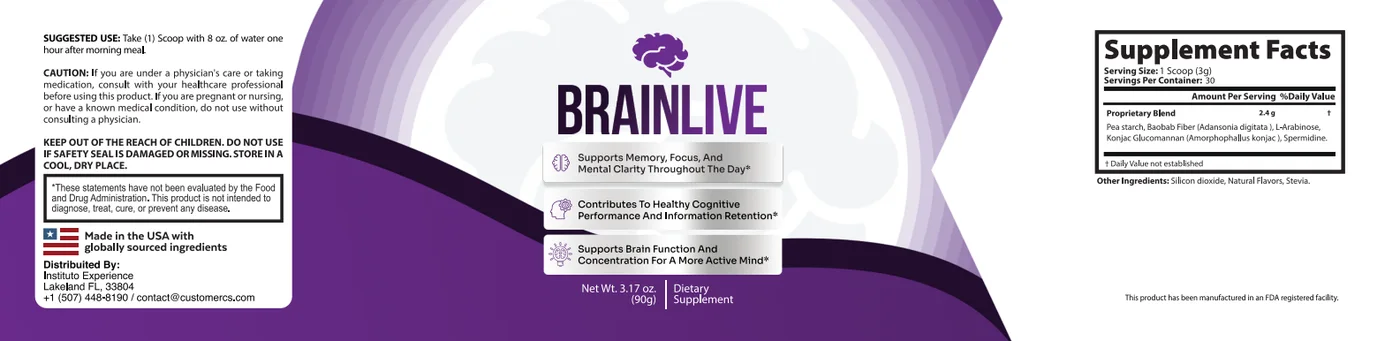
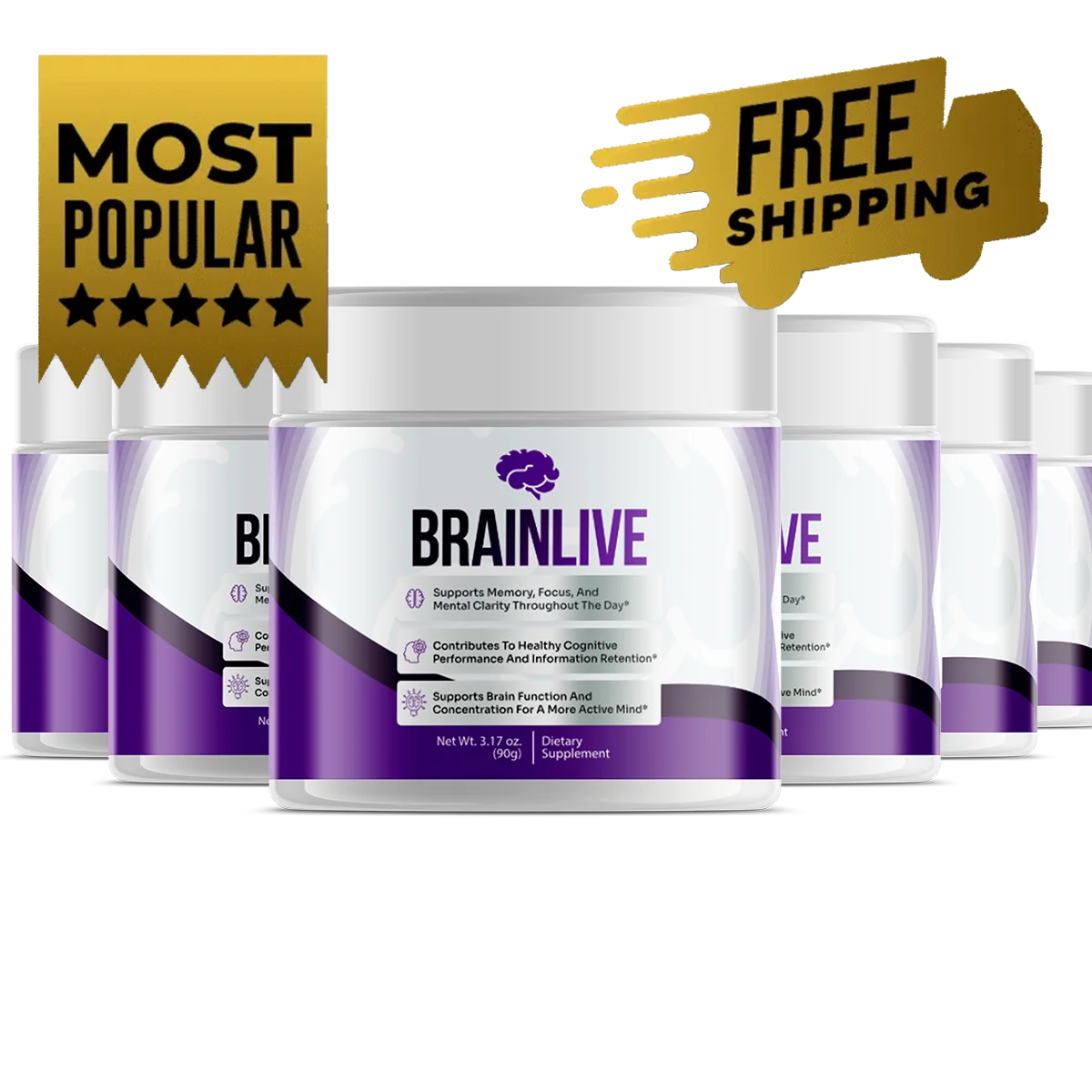
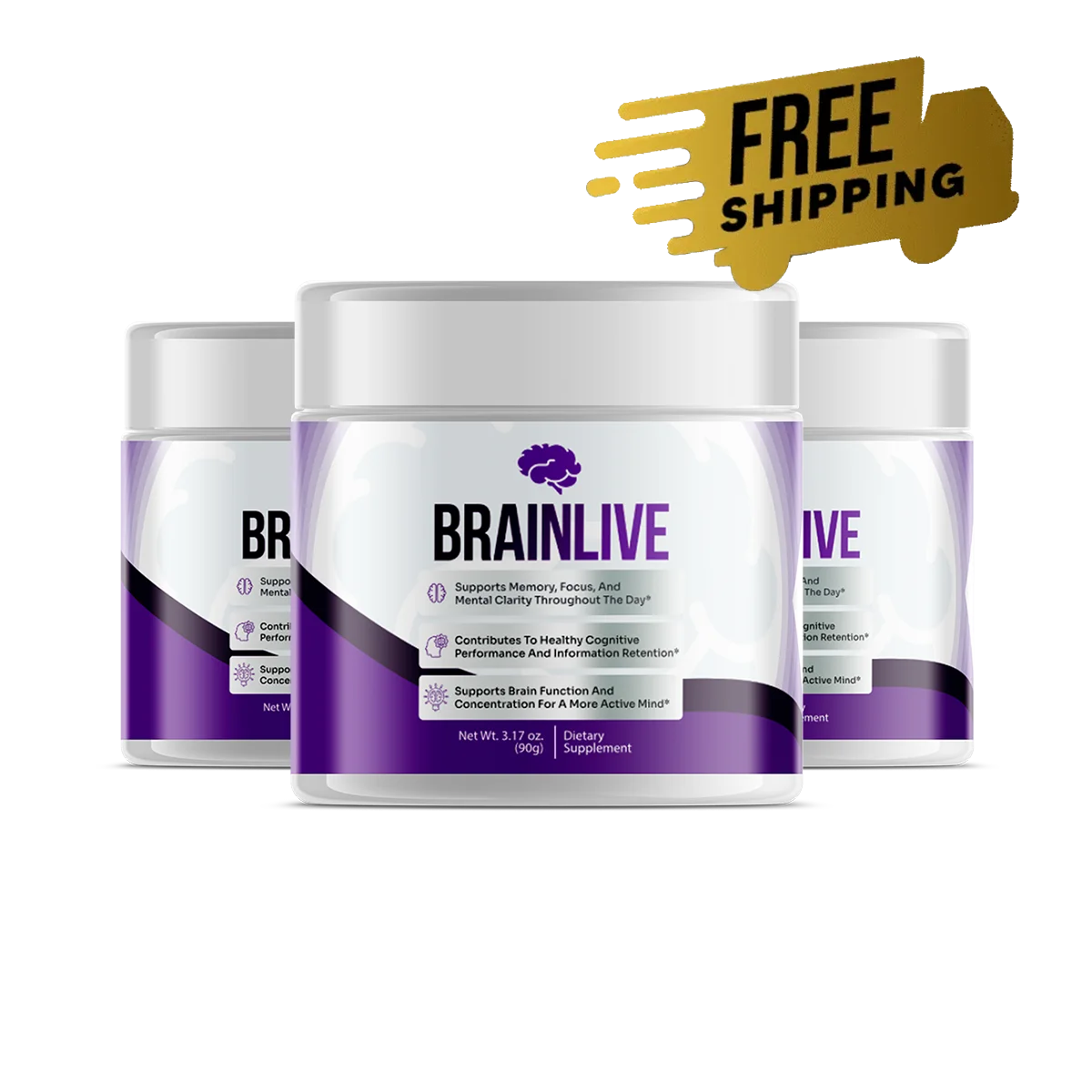
Brainlive pairs L-arabinose with prebiotic fibers and spermidine in a once-daily drink mix. The six-tub bundle is the best value at $49 per tub, with free U.S. shipping and a 60-day guarantee.
Check today’s Brainlive pricing — from $49/tubHow much L-arabinose do you need, and how do you take it?
A useful dose of L-arabinose is small — the human studies on sugar handling have generally used only a few grams taken together with a sugary meal, because its job is to meet the sucrose at the moment of digestion. Timing matters more than the raw number: it works when it is present in the gut alongside the sugar it is meant to slow, which is why it is taken with food. In Brainlive it is built into the daily scoop at a food-grade amount listed on the supplement facts panel, so you simply stir the scoop into water with or near a meal.
Is L-arabinose safe, and are there side effects?
L-arabinose is generally regarded as safe at food-grade amounts, which makes sense given that it occurs naturally in the fruits, grains and vegetables people have always eaten. Because it is poorly absorbed, the most common thing to watch for is digestive: a large amount at once can leave extra fermentable sugar in the colon and cause temporary gas or bloating in sensitive people — the same mild trade-off that comes with adding any fiber. Sticking to the intended once-daily serving keeps that risk low. As with every supplement, it supports an already-healthy routine and is not a substitute for medical care.
When should you talk to a doctor?
Ingredients like L-arabinose are for supporting an already-healthy body, not for managing a medical condition. Speak with your doctor before adding it if you are pregnant or nursing, under 18, taking any medication — especially anything that affects blood sugar — or living with a diagnosed condition such as diabetes, so any nutrient works safely alongside your care rather than around it.
Frequently asked questions
What is L-arabinose?
L-arabinose is a naturally occurring plant sugar — a five-carbon pentose found in the cell walls, gums and pectins of many fruits, grains and vegetables. Unlike common table sugar it is poorly absorbed, and it is studied for how it influences the body’s handling of dietary carbohydrates.
What are the main L-arabinose benefits?
In small studies L-arabinose has been observed to slow the enzyme that breaks down table sugar, which can blunt the sharp rise and fall in blood sugar that follows a sweet meal. That is the mechanism behind its association with steadier everyday energy. Evidence is preliminary and it is not a treatment for any condition.
How does L-arabinose affect carbohydrate metabolism?
L-arabinose is a selective, partial inhibitor of intestinal sucrase, the enzyme that splits sucrose into glucose and fructose. By gently slowing that step, some of the sugar is digested more slowly, which research links to a smaller post-meal glucose spike.
Does L-arabinose give you energy?
L-arabinose is not a stimulant and provides very few usable calories itself. The idea of steadier energy comes from smoothing the sugar curve after meals, so you may avoid the slump that follows a spike. Individual results vary and it is one small part of a whole routine.
Is L-arabinose safe?
L-arabinose occurs naturally in everyday plant foods and is used in food-grade amounts. Because it is poorly absorbed, large doses may cause mild, temporary digestive gas or bloating in sensitive people. Anyone pregnant, nursing, on medication or managing a diagnosed condition should speak with a doctor first.
How much L-arabinose is in Brainlive?
Brainlive includes L-arabinose within its daily scoop alongside prebiotic fibers and spermidine; the exact amount is listed on the product’s supplement facts panel. It is included for its supporting role in carbohydrate handling, not as a standalone treatment.
Try Brainlive risk-free for 60 days →
Brainlive is a dietary supplement, not a treatment for any medical condition. These statements have not been evaluated by the Food and Drug Administration. This product is not intended to diagnose, treat, cure or prevent any disease. Always consult a qualified healthcare professional about your individual needs.
References & further reading
- Seri K, Sanai K, Matsuo N, et al. L-arabinose selectively inhibits intestinal sucrase in an uncompetitive manner and suppresses glycemic response after sucrose ingestion in animals. Metabolism, 1996. pubmed.ncbi.nlm.nih.gov/8931641
- Krog-Mikkelsen I, Hels O, Tetens I, et al. The effects of L-arabinose on intestinal sucrase activity: dose-response studies in vitro and in humans. American Journal of Clinical Nutrition, 2011. pubmed.ncbi.nlm.nih.gov/21677059
- PubChem, National Center for Biotechnology Information (NCBI). L-Arabinose — compound summary. pubchem.ncbi.nlm.nih.gov/compound/L-Arabinose
- MedlinePlus, U.S. National Library of Medicine. Carbohydrates. medlineplus.gov/carbohydrates.html
- National Center for Complementary and Integrative Health (NCCIH). Dietary and Herbal Supplements. nccih.nih.gov/health/dietary-and-herbal-supplements
- Examine.com. Glucomannan (konjac fiber) — evidence-based summary. examine.com/supplements/glucomannan
- Halschou-Jensen K, Knudsen KEB, Nielsen S, et al. A mixed diet supplemented with L-arabinose does not alter glycaemic or insulinaemic responses in healthy human subjects. British Journal of Nutrition, 2015. pubmed.ncbi.nlm.nih.gov/25400106
These references describe the ingredient and general nutrition in neutral terms and do not constitute evidence that any product treats, cures or prevents any condition.
Keep reading: the best foods for brain health and memory · how to improve memory and focus naturally · back to the Brainlive blog · homepage.