Spermidine benefits for memory: the polyamine inside Brainlive

Updated September 2026 · reviewed by the Brainlive Research Team. We are an independent information resource, not a medical provider, and this article is educational rather than medical advice.
Spermidine is a naturally occurring polyamine — a small molecule your cells make and your food supplies — that is best known in research for helping switch on autophagy, the body’s process of clearing and recycling worn-out cell parts. That link to cellular renewal is why spermidine has become a nutrient of interest for healthy brain aging, and why it is one of the ingredients inside Brainlive. The human memory evidence is still early, so it belongs to good habits as a support, not as a treatment for any condition.
What spermidine actually does — and what it does not — in plain language.
- What it is
- A polyamine found in every living cell and in many foods, from wheat germ to aged cheese, that helps regulate cellular housekeeping.
- Why memory researchers care
- Spermidine is studied for triggering autophagy, the renewal process that keeps aging cells — including brain cells — running cleanly.
- The honest limit
- Most of the strongest data comes from cell and animal studies; human memory trials are early, so this is a nutrient of interest, not a proven cognitive treatment.
- Where Brainlive fits
- Brainlive pairs spermidine with prebiotic fibers in one daily scoop, so it supports a whole routine rather than acting as a standalone drug.
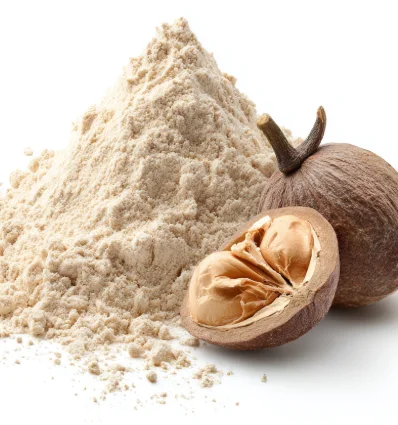
If you have read the ingredient list on a modern brain or longevity formula, you have probably seen the word spermidine and wondered what it is doing there. It sounds clinical, but it is simply a compound your own body produces and your diet tops up. This deep-dive explains where spermidine comes from, the autophagy science that made it famous, which foods carry the most of it, and why Brainlive includes it for everyday memory support.
What is spermidine, and why is it in Brainlive?
Spermidine is a polyamine, a class of small, positively charged molecules that every living cell uses to stabilize DNA, build proteins and manage growth. It is present throughout the plant and animal kingdoms: your body makes some on its own, your gut bacteria produce more, and the rest comes from food. Levels of natural polyamines tend to decline with age, which is part of why researchers have taken an interest in topping them up through diet and supplements. If that is the part you came for, read whether brain food supplements work next.
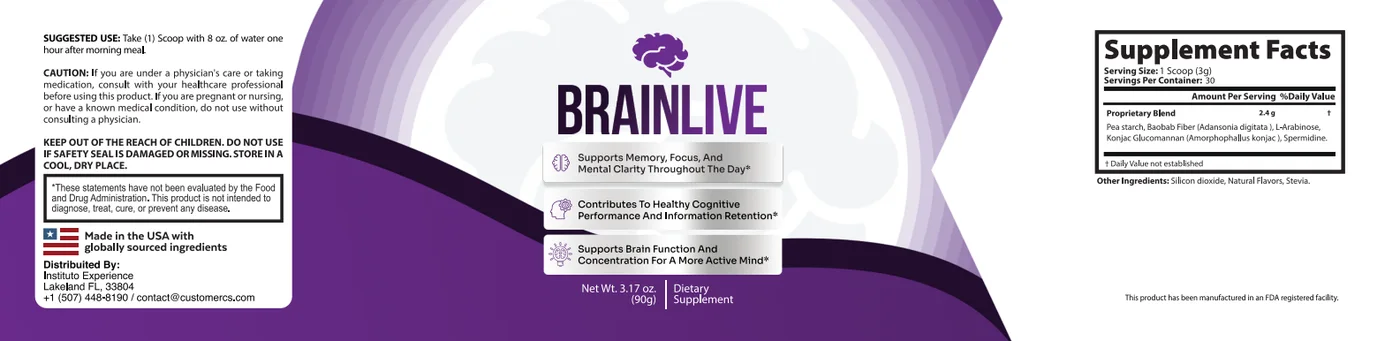
Brainlive includes spermidine because it sits at the crossroads of two ideas the formula is built around: feeding the gut and supporting cellular health. Rather than acting as a stimulant, spermidine is thought to work quietly at the cell level, and it pairs naturally with the prebiotic fibers that make up the rest of the blend. On the Brainlive label it appears as one component of a proprietary blend, so the formula lists it without a standalone milligram figure — the exact per-scoop amount is shown on the product page, not invented here.
How does spermidine support memory and brain health?
The proposed memory connection runs through cellular renewal rather than any direct, drug-like effect on neurotransmitters. Brain cells are long-lived and cannot easily be replaced, so their ability to keep themselves clean and functional matters over a lifetime. Spermidine is studied for supporting that internal maintenance, and researchers are exploring whether better-maintained neurons hold onto healthy function for longer. A randomised controlled trial by Wirth et al., Cortex, 2018 reported a small signal on one memory measure in older adults at risk of dementia. There is more on this in our companion piece on omega-3 versus prebiotic fiber for the brain.
Does spermidine act directly on brain cells?
Not in the way a caffeine molecule does. Spermidine is not a stimulant and produces no noticeable jolt of alertness. Its studied benefits are indirect: by encouraging autophagy, it may help cells — including neurons — recycle damaged components before they accumulate. Some observational studies have linked higher dietary spermidine intake with better cognitive scores in older adults, but observational data cannot prove cause and effect, and the controlled human trials remain small and early.
What does the current evidence actually show?
The honest picture is a promising hypothesis backed by strong laboratory work and thinner human data. Cell and animal studies consistently show spermidine triggering autophagy and, in some models, supporting longevity and memory-related outcomes. A handful of pilot human studies in older adults have explored spermidine-rich supplements with mixed and modest results. That is why every responsible summary — including this one — frames spermidine as a nutrient of scientific interest rather than a proven memory treatment. A larger twelve-month randomised trial by Schwarz et al., JAMA Network Open, 2022 then found no significant benefit for memory, and that is the more cautious result to carry forward.
What is autophagy, and why does it matter for aging cells?
Autophagy — from the Greek for “self-eating” — is the process cells use to break down and recycle their own worn-out or damaged parts. Think of it as a cellular cleaning crew that gathers up defective proteins and tired organelles, dismantles them, and reuses the raw materials. When autophagy runs well, cells stay efficient; when it slows with age, cellular debris can build up, which many scientists consider a hallmark of aging tissue. Its role as a physiological inducer of autophagy is discussed by Madeo et al., Autophagy, 2019.
Spermidine earned its research fame when studies showed it could induce autophagy, and it is often described as a “caloric-restriction mimetic” — a compound that nudges cells into the renewal mode normally triggered by fasting. That framing connects a humble food molecule to the science of healthy aging. The caveat is that inducing autophagy in a dish or a mouse is not the same as improving memory in a person; it is a mechanism worth watching, not a finished conclusion.
See what is in every Brainlive scoop
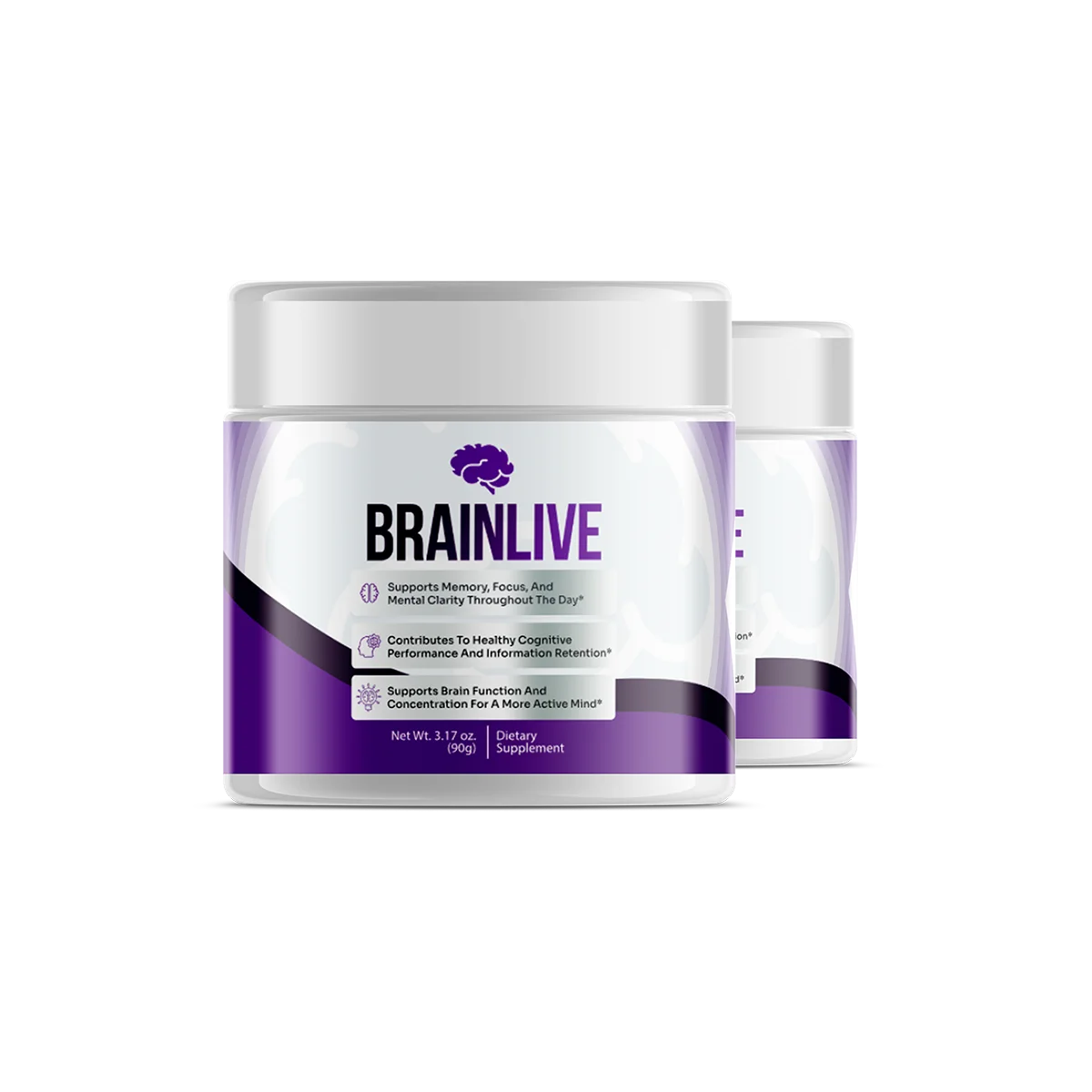
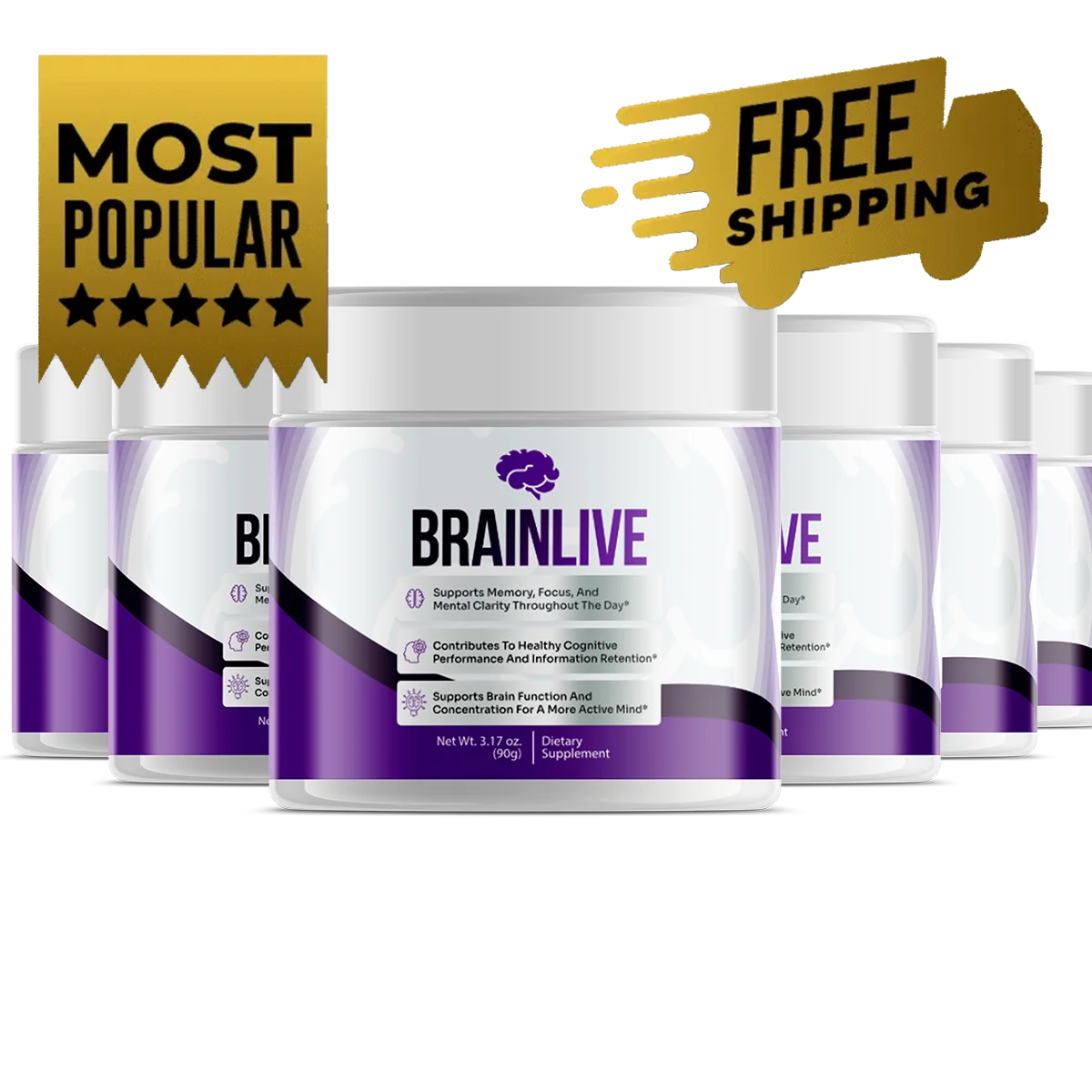
Brainlive combines spermidine with prebiotic fibers and L-arabinose in one naturally flavored daily scoop. The six-tub bundle is the best value, with free U.S. shipping and a 60-day money-back guarantee.
Check today’s Brainlive pricing →What foods are the best natural sources of spermidine?
The richest natural source of dietary spermidine is wheat germ, followed by soybeans and other legumes, mushrooms, aged cheeses and whole grains. Because polyamines are present in all living cells, a varied, plant-forward diet naturally supplies a steady baseline. The table below shows where spermidine concentrates in the diet.
| Food source | Relative spermidine content | Everyday notes |
|---|---|---|
| Wheat germ | Very high | The single most concentrated common food source; often used as the base for spermidine research supplements. |
| Soybeans & legumes | High | Natto, edamame, lentils and dried beans all contribute meaningful polyamine content. |
| Mushrooms | Moderate to high | A convenient, low-calorie way to add polyamines to everyday meals. |
| Aged cheeses | Moderate | Fermentation and aging raise polyamine levels; portion sizes are naturally small. |
| Whole grains | Moderate | Whole-grain bread, oats and brown rice provide a steady dietary baseline. |
Values differ between labs and growing conditions, so treat any figures as approximate. The practical takeaway is simple: the same whole, fiber-rich foods that support a healthy gut also carry polyamines like spermidine, which is one reason nutrition and cellular health tend to travel together. For the wider picture, see our guide to the best foods for brain health and memory.
Why does Brainlive include spermidine in its blend?
Brainlive includes spermidine because it complements the formula’s core idea rather than competing with it: support the gut and support the cell, and let everyday brain function benefit from both. The rest of the blend is built on prebiotic fibers that feed beneficial gut bacteria, and spermidine adds a cellular-renewal angle that fits the same slow-and-steady philosophy. Neither is a quick fix, and neither claims to treat disease; together they aim to support an already-healthy mind as part of a daily routine.
| Form of spermidine | Typical use | What to keep in mind |
|---|---|---|
| Whole foods (wheat germ, legumes) | Everyday diet | Comes packaged with fiber and other nutrients; amounts vary by food and portion. |
| Wheat-germ extract supplements | Concentrated daily dose | Standardized amounts; the source most human studies have used. |
| Blend ingredient (as in Brainlive) | Once-daily scoop with fibers | Paired with prebiotics for a gut-and-cell approach; listed within a proprietary blend. |
Because spermidine in Brainlive is delivered alongside prebiotic fibers rather than as an isolated high-dose capsule, it is designed to fit a whole-routine approach: one scoop, once a day, after breakfast. If you want to understand the gut side of that partnership, read the gut-brain axis explained, or review the full ingredients section on the homepage.
Is spermidine safe, and when should you talk to a doctor?
Spermidine is a natural polyamine present in a wide range of everyday foods, so food-level amounts have a long history of ordinary dietary use and are generally well tolerated. Supplemental spermidine, usually derived from wheat germ, has been studied in older adults without notable safety concerns at the amounts tested, though long-term human data are still limited. As with any supplement, more is not automatically better, and a measured amount within a balanced routine is the sensible approach.
Talk with your doctor before starting daily spermidine — on its own or inside a blend like Brainlive — if you are pregnant or nursing, under 18, taking any medication, or managing a diagnosed health condition. Spermidine is not a treatment for memory loss, dementia or any disease, and persistent or worsening symptoms such as significant memory changes, confusion or mood shifts always warrant a professional evaluation rather than a supplement.
Frequently asked questions
What are the main spermidine benefits for memory?
Spermidine is studied for its role in autophagy, the cellular renewal process that clears worn-out components inside cells. Researchers are interested in whether that renewal supports healthy brain aging, but the human memory evidence is still early. It is a nutrient of interest, not a treatment for any condition.
What is autophagy, and how is spermidine linked to it?
Autophagy is the housekeeping process cells use to break down and recycle their own damaged parts. In laboratory studies spermidine appears to help trigger autophagy, which is why it is often described as a caloric-restriction mimetic. Whether that translates into everyday memory benefits in people is still being studied.
Which foods are the best natural sources of spermidine?
Wheat germ is one of the richest known food sources, followed by soybeans and other legumes, aged cheeses, mushrooms and whole grains. A varied plant-forward diet naturally supplies polyamines, and Brainlive adds a measured amount of spermidine within its daily blend.
How much spermidine is in Brainlive?
Brainlive lists spermidine as part of a proprietary blend alongside prebiotic fibers and L-arabinose, so a standalone milligram figure is not printed on the label. The exact per-scoop amount is shown on the current product page rather than invented here.
Is spermidine safe to take every day?
Spermidine is a natural polyamine present in many everyday foods, and food-derived amounts have a long history of dietary use. As with any supplement, talk to your doctor before daily use if you are pregnant, nursing, under 18, taking medication or managing a health condition.
Will spermidine improve my memory quickly?
No. Spermidine is not a fast-acting stimulant; any cellular-renewal support is thought to build gradually over weeks to months, and results vary between individuals. It works best as one part of a whole routine of sleep, movement and fiber-rich nutrition.
See what is in every Brainlive scoop →
Brainlive is a dietary supplement, not a treatment for any medical condition. These statements have not been evaluated by the Food and Drug Administration. This product is not intended to diagnose, treat, cure or prevent any disease. Always consult a qualified healthcare professional about your individual needs.
References & further reading
- Examine.com. Spermidine — evidence-based summary. examine.com/supplements/spermidine
- Madeo F, et al. Spermidine in health and disease. PubMed / U.S. National Library of Medicine. pubmed.ncbi.nlm.nih.gov/29371440
- Madeo F, Bauer MA, Carmona-Gutierrez D, Kroemer G. Spermidine: a physiological autophagy inducer acting as an anti-aging vitamin in humans?. Autophagy, 2019. pubmed.ncbi.nlm.nih.gov/30306826
- National Institutes of Health, National Institute on Aging. Cognitive Health and Older Adults. nia.nih.gov/health/cognitive-health-and-older-adults
- Schwarz C, Horn N, Benson G, et al. Spermidine intake is associated with cortical thickness and hippocampal volume in older adults. NeuroImage, 2020. pubmed.ncbi.nlm.nih.gov/32629145
- Wirth M, Benson G, Schwarz C, et al. The effect of spermidine on memory performance in older adults at risk for dementia: a randomized controlled trial. Cortex, 2018. pubmed.ncbi.nlm.nih.gov/30388439
- Schwarz C, Benson GS, Horn N, et al. Effects of spermidine supplementation on cognition and biomarkers in older adults with subjective cognitive decline: a randomized clinical trial. JAMA Network Open, 2022. pubmed.ncbi.nlm.nih.gov/35616942
These references describe spermidine and cellular renewal in general scientific terms and do not constitute evidence that any product treats, cures or prevents any condition.
Keep reading: how to improve memory and focus naturally · the gut-brain axis explained · the best foods for brain health and memory · back to the Brainlive review.