How to ease brain fog naturally: the Brainlive guide

Updated September 2026 · reviewed by the Brainlive Research Team. We are an independent information resource, not a medical provider; this article is educational, not medical advice.
To ease brain fog naturally means clearing the cloudy, slow, forgetful feeling that follows poor sleep, skipped meals, endless screens and an unsettled gut — using everyday habits rather than medication. It is about steadying the basics your mind depends on, day after day, so foggy thinking becomes the exception instead of the rule.
How to lift the fog and keep your thinking clear, in one place.
- What it is
- Brain fog is an everyday term, not a diagnosis, for slow, cluttered, forgetful thinking — usually a signal that your daily habits need attention.
- The fast levers
- Water, a short walk, ten minutes off screens and a balanced snack can lift a foggy afternoon within the hour.
- The deep levers
- Consistent sleep, steady meals and gut-friendly fiber reset your baseline over days and weeks.
- Where the gut fits
- The gut-brain axis links digestion to clear thinking; prebiotic fibers — the idea behind Brainlive — are a supportive habit, not a treatment.
- When to get help
- Fog that is sudden, severe or worsening, or paired with memory loss or confusion, deserves a doctor’s assessment.

If you have walked into a room and forgotten why, or felt your thoughts wading through mud by mid-afternoon, you have met brain fog. It is a common complaint that usually responds to ordinary changes. This guide covers what drives foggy thinking, a simple non-medical routine to ease it, and where Brainlive can play one supporting role.
What is brain fog, exactly?
Brain fog is an informal, everyday label — not a medical diagnosis — for slowed thinking, poor concentration, a fuzzy memory and the sense that your mind is running through treacle. Because it is a symptom rather than a disease, there is no single test for it and no single pill that switches it off. It tends to be the sum of several small pressures at once, which is exactly why small, stacked changes work so well against it.
What causes foggy thinking day to day?
Most foggy thinking traces back to a handful of everyday causes, almost all of them things you can influence. Attention and memory are metabolically expensive, so the brain complains quickly when its basic needs — rest, fuel, water and calm — go unmet.

Is poor sleep the main cause of brain fog?
Short or broken sleep is the most common driver of foggy thinking. Overnight, the brain does its housekeeping: during deep and REM sleep it consolidates memories and clears metabolic by-products built up during the day. Miss that window — through late nights, screens in bed or an irregular schedule — and you wake already behind, with attention and recall both dulled. The role of sleep in consolidating what you learned during the day is reviewed by Walker & Stickgold, Neuron, 2004.
Do skipped meals and blood-sugar dips cloud your mind?
The brain runs almost entirely on a steady supply of glucose, so skipped meals and sugar spikes-then-crashes are a fast route to fog. A pastry-and-coffee breakfast, or a skipped lunch, leaves concentration to sag by mid-afternoon. Meals built around protein, fiber and whole foods release energy more slowly and keep thinking steadier.
Are screens and constant switching wearing out your focus?
Attention is a limited resource, and constant notifications spend it fast. Every switch between a document, a chat and a feed carries a small cognitive cost, and by day’s end those costs add up to a foggy, scattered mind. If that is the part you came for, read memory and focus after 50 next.
Can gut imbalance contribute to brain fog?
Gut health and brain fog are linked through the gut-brain axis, the two-way conversation between the microbes in your digestive tract and your brain. When that ecosystem is out of balance — through low fiber, high stress or processed food — many people report feeling mentally cloudier. Feeding beneficial bacteria with prebiotic fiber is an active area of nutrition research and the idea at the heart of Brainlive’s formula.
What about stress, dehydration and inactivity?
Chronic stress floods the body with cortisol, which is unhelpful for calm recall; even mild dehydration measurably dulls concentration; and long sedentary stretches reduce the blood flow that keeps the mind alert. None is dramatic alone, but together they are the difference between a clear day and a foggy one. Even a minor degree of hypohydration has been shown to affect cognition in a mediator analysis by Benton et al., American Journal of Clinical Nutrition, 2016.
| Everyday cause | Why it fogs thinking | Natural first move |
|---|---|---|
| Short or broken sleep | Skips the overnight memory consolidation and clean-up | Fixed bed and wake time; screens off an hour before |
| Skipped meals | Blood-sugar dips starve the brain of steady fuel | Protein-and-fiber meals; a balanced snack if you missed one |
| Screen overload | Constant switching drains limited attention | Single-task in sprints; a ten-minute screen break |
| Gut imbalance | Disrupts the gut-brain axis linked to clear thinking | More fiber, fermented foods, prebiotic support |
| Dehydration | Even mild fluid loss dulls concentration | Water first; unsweetened tea over a fourth coffee |
| Stress & sitting still | Cortisol clouds recall; low blood flow dulls alertness | Slow breathing; a short walk between tasks |
How do you clear brain fog naturally?
Clearing brain fog naturally is less about a single cure and more about removing the pressures one by one until your baseline lifts. The most reliable brain fog remedies are ordinary and free, and they work best stacked together — add one habit at a time until it feels automatic. There is more on this in our companion piece on supporting brain energy naturally.

- Anchor a consistent sleep schedule — the same bed and wake time, even on weekends, so memory gets its overnight filing done.
- Eat to steady your blood sugar — protein, fiber and whole foods at each meal, and never skip breakfast on a busy day.
- Hydrate before you caffeinate — water on waking, and caffeine kept to the morning so it does not disturb tonight’s sleep.
- Single-task in short sprints — one thing at a time, with a real break between blocks.
- Move your body daily — a brisk walk or cycling lifts blood flow to the brain and resets attention.
- Tend the gut-brain axis — build fiber into every meal, add fermented foods, and consider a prebiotic scoop such as Brainlive at a set time daily.
Make the gut-brain habit effortless
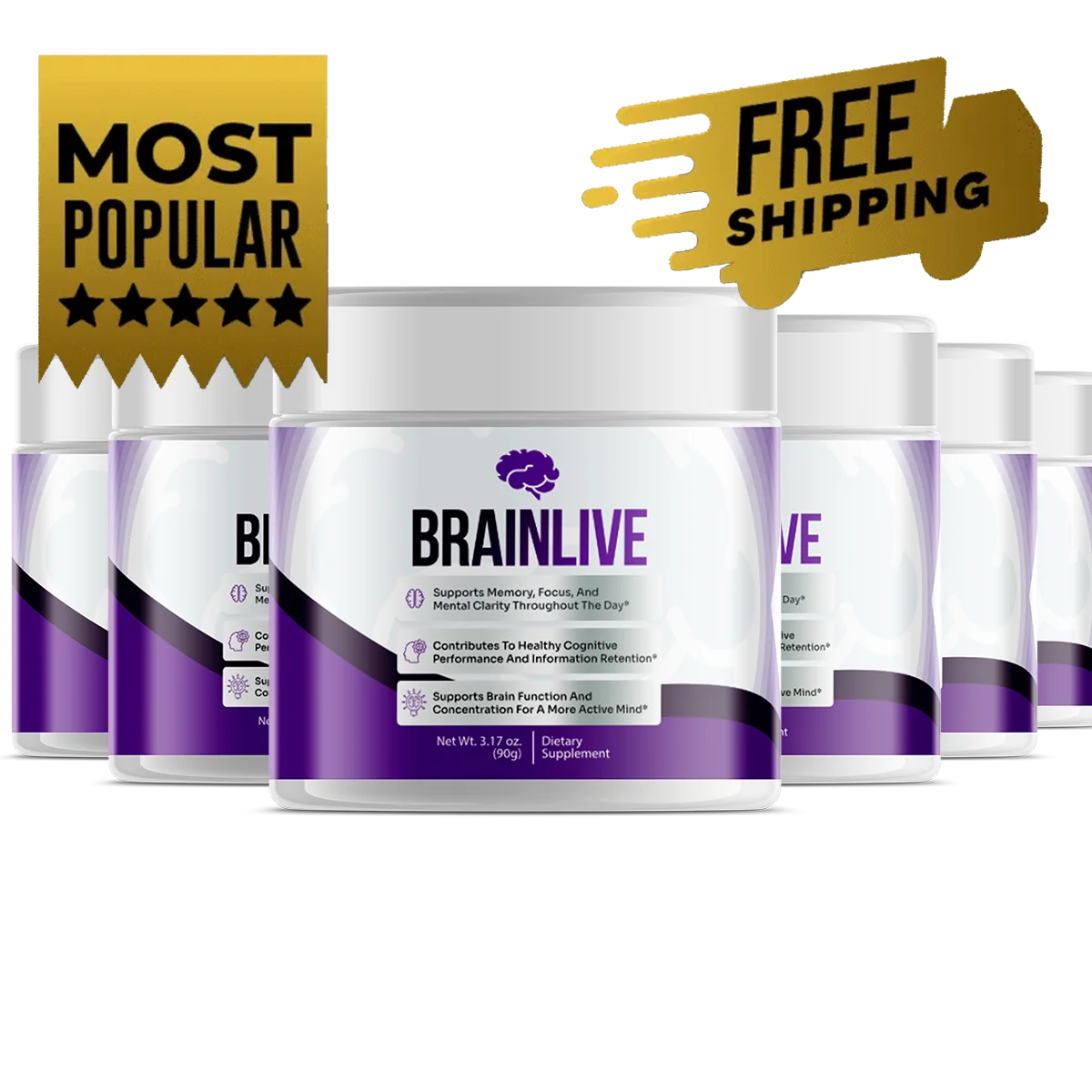
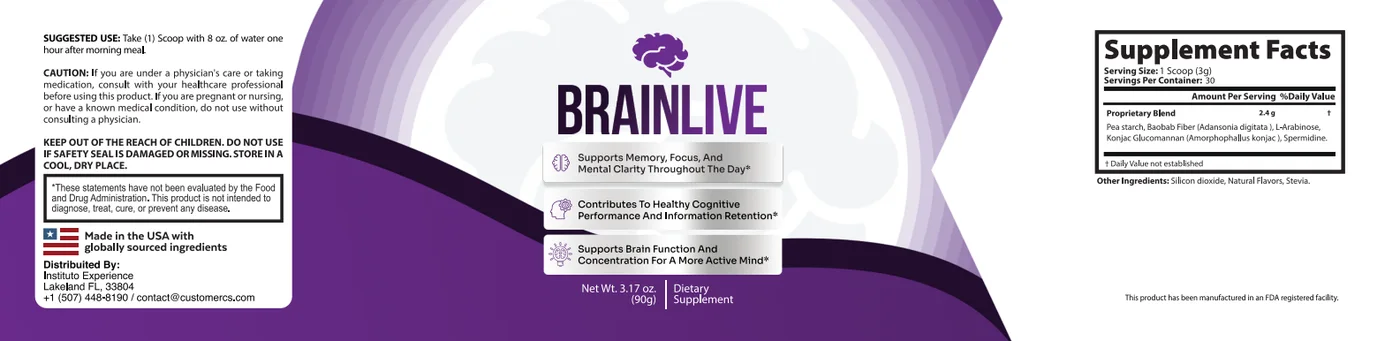
Brainlive is a once-daily scoop pairing prebiotic fibers with L-arabinose and spermidine — the simple gut-focused step in a natural anti-fog routine. See what is in every Brainlive scoop; the six-tub bundle is best value at $49 per tub, with free U.S. shipping and a 60-day guarantee.
See what is in every Brainlive scoop — from $49/tubWhere does gut health come into brain fog?
The gut-brain axis is the two-way signalling network connecting your digestive system and your brain, and it is why gut health and brain fog are so often discussed together. Your gut microbes influence mood, energy and clarity, and thrive on the fiber most modern diets lack. Prebiotic fibers reach the lower gut, where they feed beneficial bacteria — the mechanism Brainlive is built around, not as a treatment, but as a convenient way to give that ecosystem the fiber it prefers. The routes by which microbial short-chain fatty acids reach and influence the brain are set out by Silva et al., Frontiers in Endocrinology, 2020.
It is worth being honest about the evidence: the gut-brain research is exciting but still young, and much of it is early-stage. Prebiotic fiber is well established as food for a healthy microbiome; the direct line from a single scoop to sharper thinking in any one person is not something anyone can promise. For a deeper look, read our guide to the gut-brain axis explained, or the wider set of habits in how to improve memory and focus naturally.
Which brain fog remedies work fastest?
A “fast” remedy is one you can feel within an hour or a day; a “slow” one reshapes your baseline over weeks. The smartest routine uses the fast levers to rescue a foggy afternoon while the slow levers raise the floor. This table sorts the core moves by how quickly they tend to help.
| Remedy | Typical time to notice | Everyday effort |
|---|---|---|
| Water + a ten-minute screen break | Within the hour | Low |
| Short walk or movement snack | Same day | Low |
| Balanced, protein-and-fiber meals | Same day to days | Medium |
| Consistent sleep schedule | Days | Medium |
| Regular aerobic activity | Weeks | Medium |
| Gut-focused fiber & prebiotic support | Weeks to months | Higher |
Because the gut-focused levers build gradually, most people choose a multi-month supply so they do not run out mid-routine. Compare the packages and pricing, or read the full Brainlive review.

Check today’s Brainlive pricing →
When is brain fog a reason to see a doctor?
Brain fog is a reason to see a doctor whenever it is sudden, severe, worsening, or clearly out of proportion to your habits. Natural routines support an already-healthy mind; they are not a substitute for medical care. Speak with a professional if you are pregnant or nursing, under 18, take medication, or have a diagnosed condition — and seek prompt advice if fog arrives with significant memory loss, confusion or mood changes.
Frequently asked questions
What is brain fog, and is it a medical condition?
Brain fog is an everyday term, not a medical diagnosis, for the cluttered, slow, forgetful feeling that follows poor sleep, stress, skipped meals or too many screens. For most people it is a signal that daily habits need attention rather than a sign of disease.
How can I clear brain fog naturally and quickly?
The fastest natural levers are a glass of water, a short walk, ten minutes away from screens and a protein-and-fiber snack if you skipped a meal. These can lift a foggy afternoon within an hour, while consistent sleep resets your baseline over days.
What are the most common causes of foggy thinking?
The usual causes are broken or short sleep, dehydration, blood-sugar dips from skipped meals, constant screen switching, chronic stress and an out-of-balance gut. Each is something you can nudge in the other direction with small daily changes.
Can gut health really affect brain fog?
Gut health and brain fog are linked through the gut-brain axis, the two-way conversation between your gut microbes and your brain. Feeding beneficial bacteria with prebiotic fibers is a supportive habit for whole-body wellness, though it is not a treatment for any condition.
How does Brainlive fit into a brain-fog routine?
Brainlive is a once-daily prebiotic-fiber and spermidine scoop that supports the gut-brain habit within a natural routine. It is a supplement to good sleep, movement and nutrition, not a replacement for them, and results vary from person to person.
When should brain fog be checked by a doctor?
See a doctor if foggy thinking is sudden, severe, worsening or paired with significant memory loss, confusion or mood changes, or if it does not lift after you improve sleep, meals and hydration. Persistent symptoms deserve a professional assessment.
Try Brainlive risk-free for 60 days →
Brainlive is a dietary supplement, not a treatment for any medical condition. These statements have not been evaluated by the Food and Drug Administration. This product is not intended to diagnose, treat, cure or prevent any disease. Always consult a qualified healthcare professional about your individual needs.
References & further reading
- National Institutes of Health, National Institute on Aging. Cognitive Health and Older Adults. nia.nih.gov/health/cognitive-health-and-older-adults
- National Center for Complementary and Integrative Health (NCCIH). Probiotics: What You Need To Know. nccih.nih.gov/health/probiotics-what-you-need-to-know
- Mayo Clinic. Sleep tips: 6 steps to better sleep. mayoclinic.org/healthy-lifestyle/adult-health/in-depth/sleep/art-20048379
- Silva YP, Bernardi A, Frozza RL. The Role of Short-Chain Fatty Acids From Gut Microbiota in Gut-Brain Communication. Frontiers in Endocrinology, 2020. pubmed.ncbi.nlm.nih.gov/32082260
- Examine.com. Prebiotic fiber. examine.com/supplements/prebiotics
- Harvard Health Publishing. Nutritional psychiatry: Your brain on food. health.harvard.edu/blog/nutritional-psychiatry-your-brain-on-food
- Walker MP, Stickgold R. Sleep-dependent learning and memory consolidation. Neuron, 2004. pubmed.ncbi.nlm.nih.gov/15450165
- Benton D, Jenkins KT, Watkins HT, Young HA. Minor degree of hypohydration adversely influences cognition: a mediator analysis. American Journal of Clinical Nutrition, 2016. pubmed.ncbi.nlm.nih.gov/27510536
These references describe the ingredients and habits in general terms and do not constitute evidence that any product treats, cures or prevents any condition.
Keep reading: best foods for brain health · the gut-brain axis explained · the Brainlive blog · homepage.